ARTICLES
Category:
occasion wear marketing

Two weeks before a wedding, a guest types midi dress for October garden wedding into Google. She isn't browsing for fun. She has a date, a dress code, and a deadline, and she will buy from whichever brand shows up with the right answer. That moment is where occasion wear marketing earns its return. Instead of chasing everyone, smart brands meet shoppers when intent is highest, using occasion dress ads that match the exact question being asked. This guide explains how to spot those searches, build campaigns around them, measure results, and decide when expert help makes sense.
Quick Answer
Capture high-intent searches by matching ads to specific event queries, such as venue, dress code, and date. Effective occasion wear marketing combines early inspiration with high intent shopper ads that appear as shoppers move toward checkout.
Read the Signals: What Event Shoppers Actually Type
Search phrases are like little confessions. The more detail in a query, the closer the shopper is to buying. Reading intent is the foundation of occasion wear marketing, and these clues are worth watching:
Event details: beach wedding guest dress or winter formal gown
Date cues: prom dress that arrives by April
Urgency words: rush shipping, in stock, or same day
Product specifics: size, length, color, or fabric
Trust checks: reviews, return policies, or brand comparisons
That's why occasion dress ads should echo the exact words shoppers use. Here's how each stage maps to an ad move:
Shopper stage | What they might search | Your best ad move |
Dreaming | Spring formal ideas | Short video, Pinterest pins, lookbooks |
Narrowing | Cocktail vs black tie dress | Style guides, dress code explainers |
Deciding | Emerald satin gown with sleeves | Shopping ads with price, reviews, and shipping |
Scrambling | Formal dress fast shipping | Retargeting, delivery-cutoff messaging, SMS |
Once you can read these signals, building the plan is the easy part.
Here is a strategic framework for Occasion Wear Marketing designed to capture high-intent shoppers before major life events, holidays, and celebrations.
The High-Intent Occasion Calendar
Shoppers do not look for occasion wear at the last minute; their search journeys begin 30 to 90 days before the event. Winning this traffic requires aligning your content and campaigns with their planning timelines.
Weddings (Brides, Groom, Bridesmaids, Guests): Peak search windows occur in January-March (for spring/summer weddings) and July-September (for fall/winter weddings).
Prom & Graduation: Searches ramp up heavily in January-April.
Holiday & New Year’s Eve: High-intent browsing begins as early as October and peaks in November.
Festive & Cultural Events: Timeline varies by region, typically requiring a 6-week lead time before the festival date.
Keyword Strategy: Moving Beyond Broad Terms
High-intent buyers use highly specific, long-tail search queries. If you only target dresses, you miss the buyers ready to convert.
1. Style & Theme Modifiers
Capture shoppers looking for a specific vibe or dress code.
Examples: Black tie wedding guest dress, boho bridesmaid gown, vintage prom dress.
2. Location & Venue Modifiers
Shoppers dress for the environment.
Examples: Beach wedding guest dresses, outdoor graduation outfit, winter cocktail attire.
3. Problem-Solving & Fit Modifiers
Target specific pain points or sizing requirements.
Examples: Maternity evening gowns, petite formal wear, tall men's tuxedos.
Omnichannel Capture Strategy
Search Engine Optimization (SEO)
Landing Pages by Occasion: Create dedicated, permanent landing pages for specific events rather than temporary seasonal pages. This preserves your SEO authority year-round.
Gift & Style Guides: Publish content addressing common outfit dilemmas, such as What to Wear to a Black-Tie Optional Wedding.
Paid Search & Shopping (PPC)
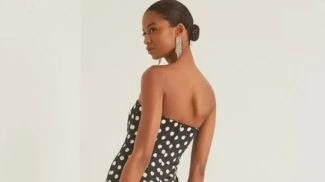
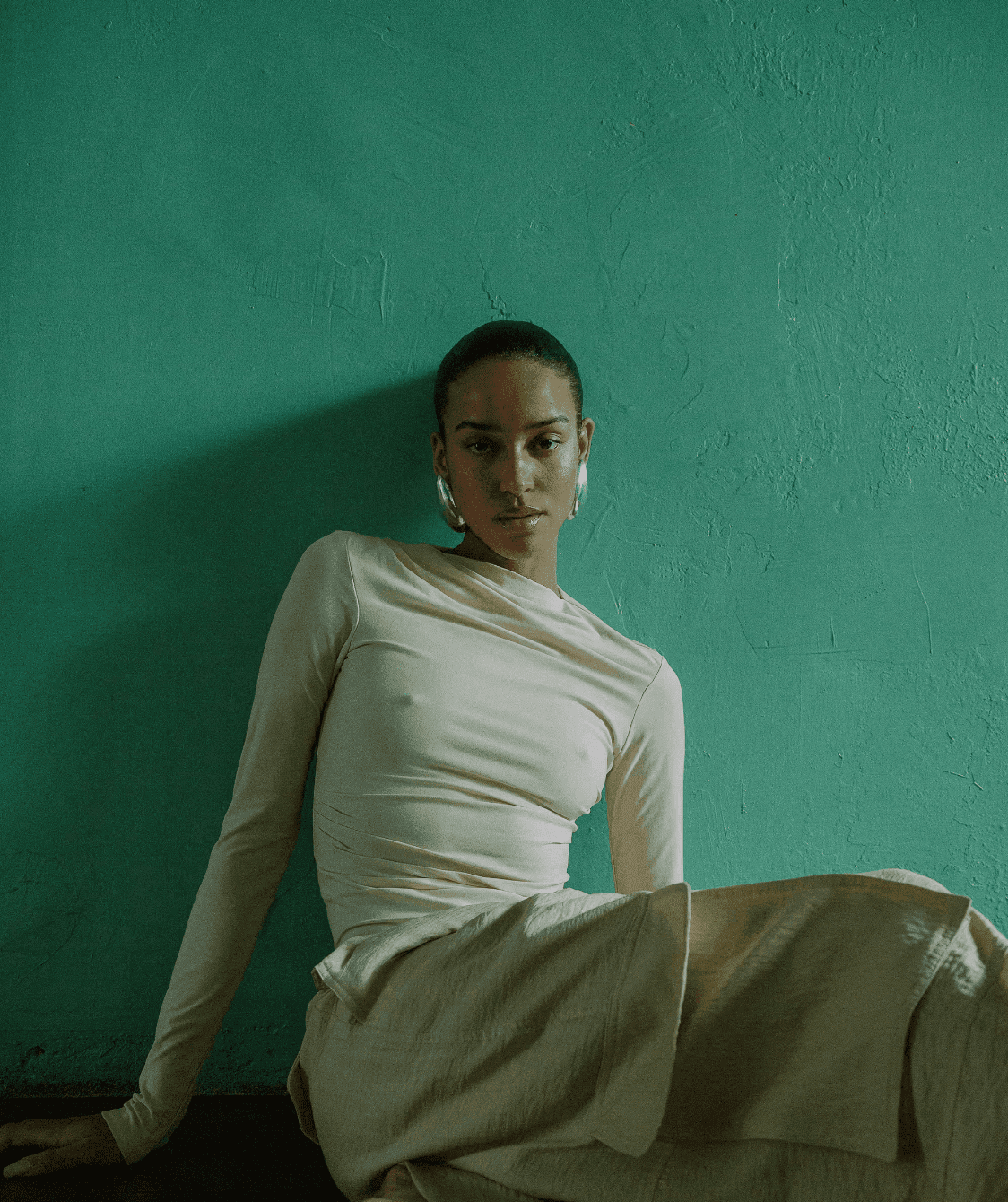
Google Shopping Imagery: Ensure your product feed uses high-quality images showing the garment in motion or at an event, rather than just flat lays or plain studio shots.
Negative Keywords: Filter out low-intent searches like cheap, free shipping code, or rentals if you only sell premium retail items.
Visual & Social Search (Pinterest & TikTok)
Pinterest: This is the ultimate pre-event planning tool. Pin your collections 3 months in advance using keywords like wedding inspiration or prom mood board.
TikTok & Instagram Reels: Utilize Get Ready With Me (GRWM) style content, fabric movement showcases, and styling transitions to capture early-stage inspiration searches.
Maximizing Post-Click Conversions
Once you capture the high-intent click, your website must eliminate any friction preventing a purchase.
Visual Filters: Allow users to filter your collection by Occasion, Dress Code, Length, and Color immediately upon landing.
Fit & Sizing Confidence: Occasion wear is rarely worn twice, so fit is critical. Implement detailed 3D sizing charts, fit finders, or user-generated reviews detailing true to size metrics.
Shipping & Urgency Banners: Clearly state delivery timelines on the product page.
Five Mistakes That Quietly Drain Your Event Budget
Starting too late: Launching in the final two weeks means competing for buyers who've already picked a brand.
Using one message for everyone: Occasion dress ads for a beach wedding shouldn't read like ones for a winter gala.
Ignoring inventory: Advertising a sold-out size wastes spend and frustrates shoppers.
Skipping trust signals: Reviews, size guides, and return policies belong in the ad and on the landing page.
Treating retargeting as an afterthought: High intent shopper ads should be planned from day one, not added when sales dip.
Avoiding these gets you most of the way there. The rest comes down to knowing your numbers.
Is Your Occasion Wear Marketing Actually Working?
Event seasons are short, so waiting for a monthly report can mean missing your window to adjust. Check performance every week and compare it with the same period last year.
Metric | Why it matters |
Return on ad spend (ROAS) | Shows revenue per ad dollar, by event type |
Cost per acquisition | Reveals which stage costs the most to win |
Add-to-cart vs. purchase gap | Flags shipping or trust concerns near cutoffs |
Search terms report | Uncovers new event phrases worth bidding on |
Return reasons | Points to sizing or expectation gaps in your ads |
Together, these checks show whether your occasion wear marketing is capturing real demand or just paying for clicks. Compare occasion dress ads by season too, and use benchmarks from the National Retail Federation to put your results in context. Judge each stage separately, since a strong inspiration campaign may not produce instant sales. Its job is to feed the stages that follow. When tracking all of this across several seasons starts to feel like a second full-time job, it may be time for help.
When to Bring In Backup: Occasion Wear Marketing With Veicolo
Running search, social, email, and creative tests across overlapping events takes serious bandwidth. If prom, wedding, and holiday seasons are colliding, ROAS has flattened, or nobody has time to test new creative, an outside partner can help.
Veicolo is a marketing agency that helps fashion and e-commerce brands plan and run seasonal campaigns. Support might include:
Seasonal calendars and campaign planning
Paid search, Shopping, and social management
Creative direction and testing frameworks
Reporting tied to event-season results
And when your event dress marketing needs more hands, Veicolo is there to asset you.
Conclusion
Shoppers searching before big events are telling you exactly what they want, and the brands that listen win the sale. To recap, effective occasion wear marketing starts with understanding search intent, from early inspiration to last-minute urgency. From there, match each stage with the right message, whether that means styling content, fit-focused product ads, or retargeting built around delivery cutoffs.
Finally, measure results weekly by event season so you can adjust while the buying window is still open. When prom, wedding, and holiday seasons overlap, experienced support keeps the workload manageable.
Key Takeaways
Event-driven searches signal buying intent earlier and more clearly than general fashion searches.
Event dress marketing works best when it begins weeks before the date, not days.
Ads should answer practical questions about fit, delivery, and returns.
Occasion wear marketing improves when you measure results by event season.
Specialist support helps when several seasons overlap.
Frequently Asked Questions
1. How does event dress marketing differ from regular fashion advertising?
It's built around a fixed date, so timing, delivery cutoffs, and dress code messaging matter more. Regular fashion ads can run evergreen, while event campaigns follow a countdown.
2. Which search terms signal the strongest buying intent for occasion dress ads?
Terms combining an event type, dress code, and practical detail, like black tie wedding guest dress size 12, usually signal ready-to-buy shoppers. Add shipping and stock phrases for urgency.
3. When should high intent shopper ads go live?
Launch them about four weeks before the event, once shoppers move from browsing to buying. Focus on cart abandoners, product viewers, and subscribers with delivery cutoffs and returns.
4. Do Pinterest and TikTok really matter for event shoppers?
Yes, they drive early inspiration. Shoppers save and share looks weeks ahead, so early exposure builds familiarity that later search and Shopping ads can convert into purchases.
5. How can brands avoid losing sales to sold-out sizes or late delivery?
Keep product feeds updated, show delivery cutoffs in ads and on product pages, and pause ads for unavailable sizes. Accurate inventory protects both ad spend and customer trust.
6. Is it worth using customer photos in event campaigns?
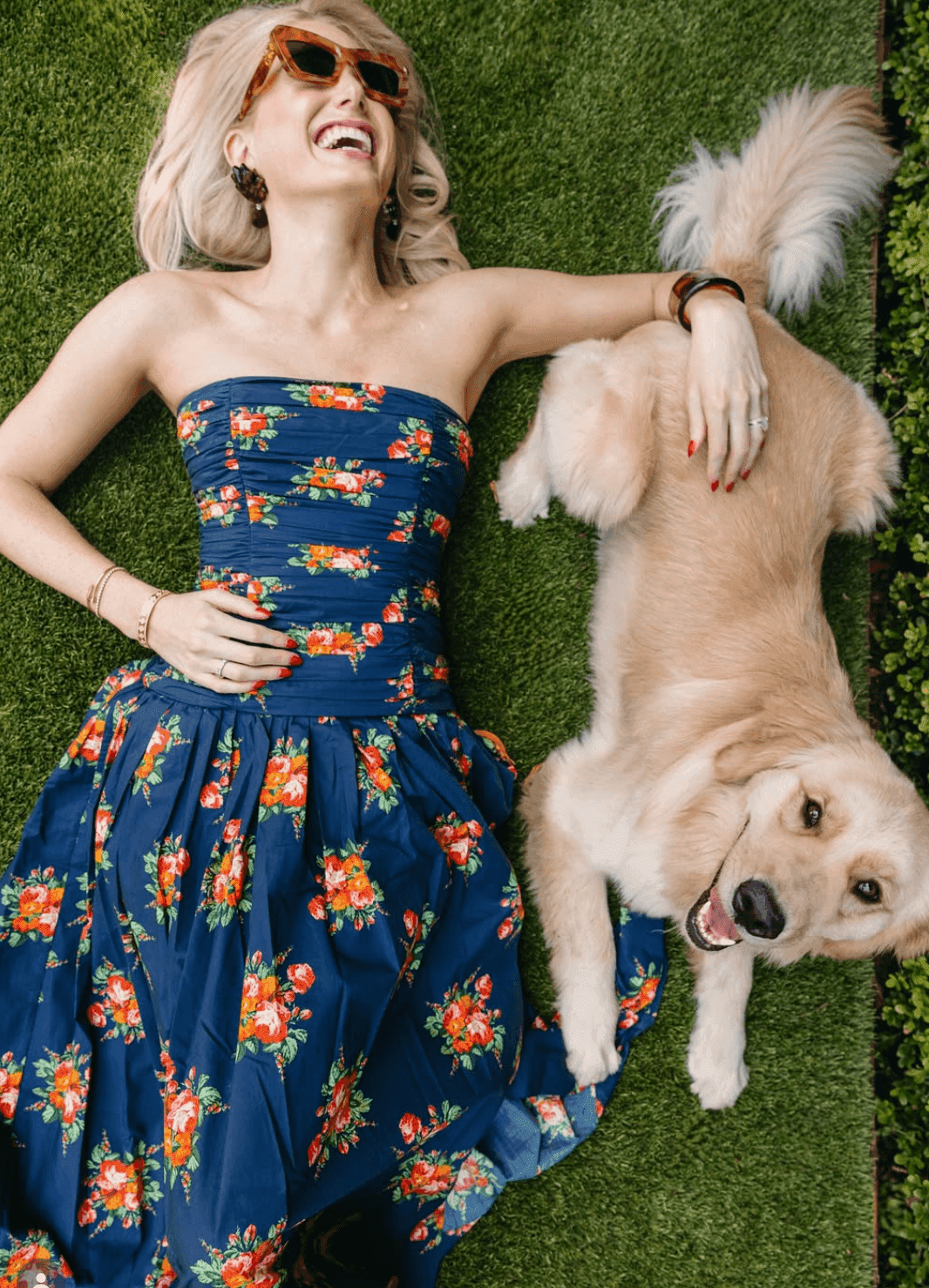
Yes. Real photos from weddings, proms, and parties show fit and color in real lighting, which reduces doubt and often improves click-through compared with studio-only imagery.
Featured Case Study

304 %
Scaled Revenue MoM

4x ROAS
consistently over 6 months

125 %
YoY Meta Spend Growth

304 %
Scaled Revenue MoM
OUR APPROACH
Turning Performance Data
Into Profit Clarity
1. Profit-First Measurement
We start where most growth strategies stop: profit. Campaigns, channels, and products are evaluated against margin, contribution, and cash flow—not surface metrics.
2. Marketing Connected to the P&L
Performance data only matters when it maps to financial reality. We align ad spend, customer acquisition, inventory, and lifecycle value into a single decision-making system.
3. Continuous Financial Optimization
Growth isn’t a one-time model. We monitor performance as conditions change—traffic mix, demand, costs—so decisions stay profitable as you scale.




Want to get similar results?
Our Impact,
By The Numbers
RELATED ARTICLES