ARTICLES
Category:
Landing pages

A fashion ad catches someone's attention. They click, land on a product page, scroll through a few images, and leave without buying.
The product might be exactly what they need. But the page hasn't answered the questions holding them back: Will it fit? Is the quality worth the price? Can they style it more than one way?
This is where advertorial landing pages can make a difference.
Instead of pushing shoppers directly toward checkout, they combine useful editorial content with persuasive product storytelling. The goal is to give customers enough information and confidence to make a purchase decision.
In this guide, we explore 12 fashion-focused examples, break down the elements that support conversions, and share a practical template your brand can adapt.
Quick Answer: What Is an Advertorial Landing Pages?
An advertorial landing page is a promotional page designed to feel like an informative article while guiding readers toward a commercial action.
For fashion brands, advertorial landing pages can use styling guides, customer experiences, product comparisons, or craftsmanship stories to address buying concerns before introducing a purchase opportunity.
Unlike conventional sales pages, they prioritize education and storytelling while clearly identifying the content as advertising.
Why Advertorial Landing Pages Work for Fashion Brands
Fashion purchasing decisions often involve more than appearance. Shoppers consider comfort, sizing, materials, versatility, brand reputation, and price.
A traditional product page may communicate specifications effectively, but it doesn't always explain why those details matter.
Bridging the Gap Between Inspiration and Purchase
Imagine someone discovering a $180 pair of jeans through an Instagram ad.
The product photography looks excellent, but the price creates hesitation. Before purchasing, that shopper may want to understand the fabric, fit, durability, and styling possibilities.
An advertorial can address those questions through a narrative such as "Why Finding the Perfect Everyday Jeans Is So Difficult."
Rather than immediately selling the jeans, the article explains common fit problems, discusses fabric quality, and demonstrates how the product addresses specific concerns.
The shopper arrives at the product recommendation with more context.
Advertorial vs Editorial vs Product Landing Page
Understanding advertorial vs editorial content helps brands choose the right format.
Content type | Primary purpose | Typical approach |
Editorial article | Educate or inspire | Independent advice and storytelling |
Advertorial | Inform and persuade | Sponsored storytelling with product recommendations |
Product landing page | Convert purchase-ready visitors | Product specifications, prices, reviews, and CTAs |
Advertorials should never misrepresent themselves as independent journalism. The Federal Trade Commission's native advertising guidance explains the importance of making commercial intent clear to consumers.
12 Advertorial Landing Pages Examples Fashion Brands Can Learn From
The best advertorial examples do more than showcase attractive products. They connect an actual customer concern with a useful narrative and a relevant buying opportunity.
Below are 12 illustrative concepts fashion brands can adapt. They are creative frameworks, not claims about existing live campaigns.
1. The Perfect-Fit Denim Story
Headline: "Why Finding Jeans That Actually Fit Feels Impossible"
A denim brand could begin with common frustrations: uncomfortable waistbands, inconsistent sizing, and unflattering cuts.
The article would explain different silhouettes, fabric blends, and fit considerations before introducing the brand's collection.
Why it works: It addresses a familiar problem and positions the product as a considered solution.
Best for: Denim brands, inclusive sizing labels, and premium basics.
2. The Capsule Wardrobe Guide
Headline: "Seven Wardrobe Essentials That Create Dozens of Outfits"
This format teaches readers how to build multiple outfits using a limited collection of versatile pieces.
A fashion brand could feature styling combinations, seasonal layering suggestions, and occasions for wearing each item.
Why it works: It demonstrates product versatility and helps justify purchases through practical use.
Best for: Minimalist fashion brands and contemporary clothing labels.
3. The Comfortable Footwear Feature
Headline: "The Everyday Sneakers Designed for Long Days"
An effective example of an advertorial for footwear focuses on the customer's daily experience rather than product specifications alone.
The content could explain cushioning materials, fit considerations, construction, and everyday styling.
Why it works: It connects technical features with benefits customers can understand, without making unsupported comfort claims.
Best for: Sneaker brands, casual footwear, and lifestyle shoes.
4. The Premium Fabric Education Article
Headline: "What Makes One Linen Shirt Worth More Than Another?"
Premium pricing can be difficult to communicate through photography alone.
A fabric-focused advertorial can explain material composition, stitching, construction, care requirements, and relevant quality differences.
Why it works: It shifts the conversation from price alone toward craftsmanship and product value.
Best for: Luxury basics, knitwear, and premium apparel.
5. The Customer Wardrobe Transformation
Headline: "How One Wardrobe Refresh Changed Her Everyday Style"
This narrative follows a real customer's styling experience, showing how selected pieces fit into their lifestyle.
Authentic photographs, attributed testimonials, and outfit combinations provide supporting evidence.
Why it works: Real customer experiences can make product benefits easier to imagine.
Best for: Lifestyle fashion and direct-to-consumer apparel.
6. The Stylist's Edit
Headline: "Five Wardrobe Staples a Stylist Would Buy Again"
A qualified stylist shares practical outfit-building advice and explains which pieces deserve space in a wardrobe.
Products appear naturally within the recommendations, supported by styling photographs.
Why it works: Genuine professional expertise provides context without requiring aggressive selling.
Best for: Contemporary fashion, premium clothing, and accessories.
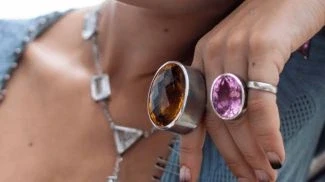
7. The Everyday Jewelry Guide
Headline: "The Jewelry Pieces That Work With Almost Everything"
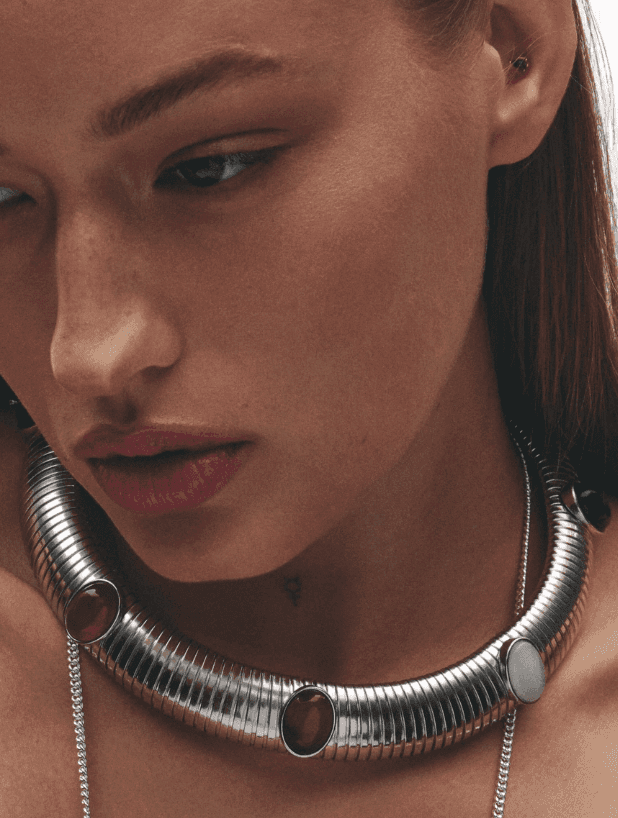
The article demonstrates how necklaces, bracelets, earrings, and rings can complement different outfits.
It can also explain materials, jewelry care, layering, and gifting considerations.
Why it works: Showing multiple styling possibilities makes jewelry feel relevant beyond a single occasion.
Best for: Fine jewelry, demi-fine jewelry, and accessories.
8. The Real-Life Activewear Test
Headline: "From Morning Workouts to Weekend Errands"
A genuine wear-test article follows activewear through different activities and everyday situations.
It can discuss fit, movement, materials, and care while documenting actual experiences.
Why it works: Demonstrations provide additional context for shoppers comparing functionality and appearance.
Best for: Activewear, athleisure, and performance-inspired clothing.
9. The Premium vs Budget Comparison
Headline: "What Are You Really Paying for in a Leather Handbag?"
This format compares material choices, stitching, hardware, construction, and maintenance considerations.
The article helps readers evaluate differences without relying on exaggerated claims about competitors.
Why it works: Transparent comparisons support more informed purchasing decisions.
Best for: Luxury handbags, leather goods, and premium accessories.
10. The Sustainable Fashion Explainer
Headline: "What to Look for Before Buying Sustainable Clothing"
The article explores fabric sourcing, relevant certifications, manufacturing practices, and clothing longevity.
Any environmental benefit should be supported by specific, verifiable evidence rather than broad sustainability promises.
Why it works: It helps shoppers distinguish meaningful product information from vague marketing language.
Best for: Sustainability-focused and responsibly positioned apparel brands.
11. The Occasionwear Buying Guide
Headline: "How to Choose One Dress for Multiple Occasions"
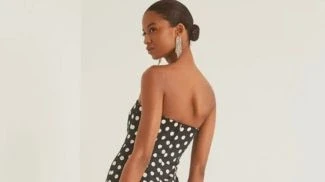
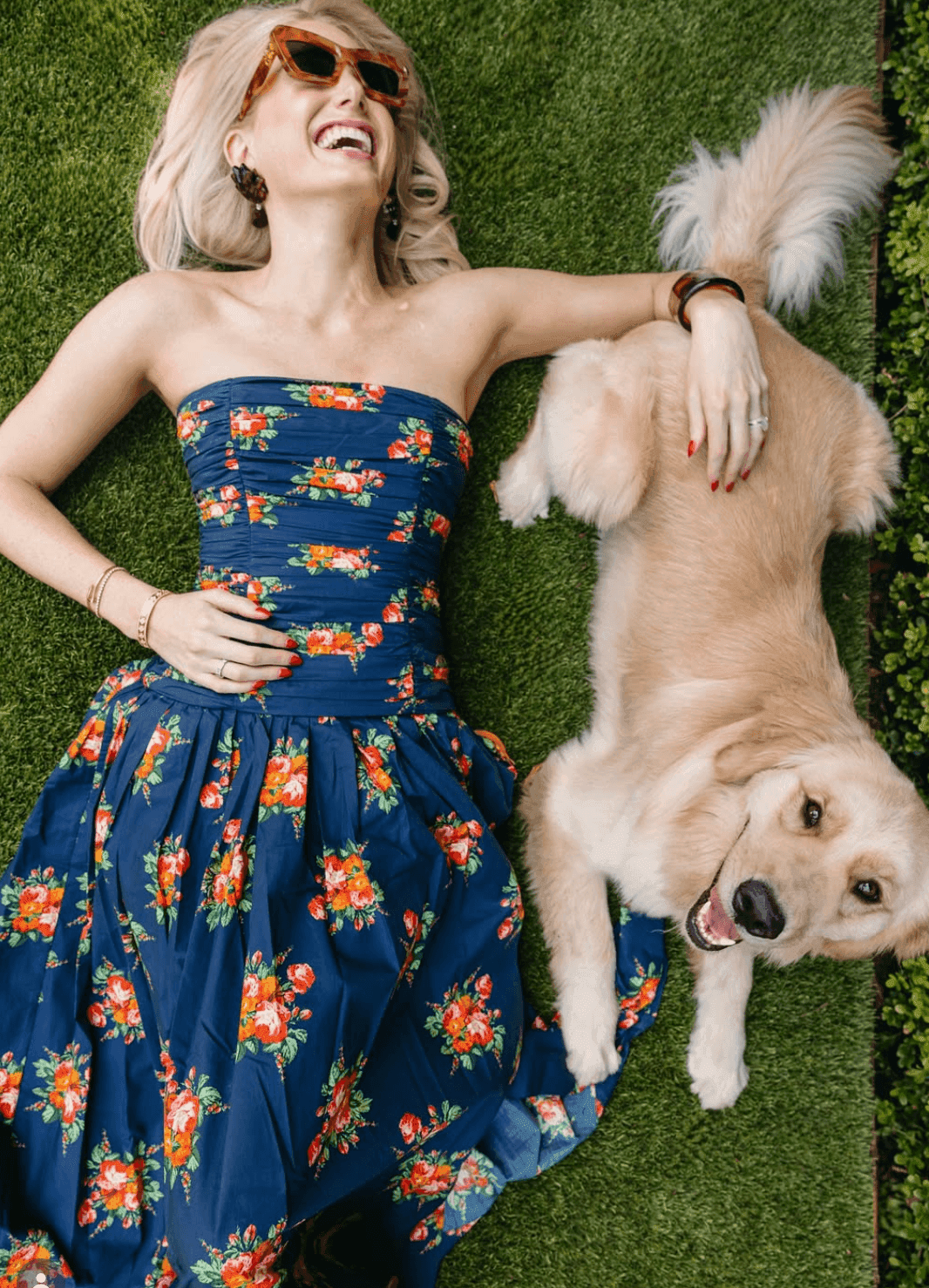
A brand can demonstrate how one dress works across weddings, dinners, celebrations, and formal events.
Styling photography, accessory recommendations, and fit guidance create useful purchase context.
Why it works: It helps customers visualize more opportunities to wear an item.
Best for: Dresses, eveningwear, and occasionwear collections.
12. The Behind-the-Brand Story
Headline: "The Design Decisions Behind Our Most-Loved Collection"
This format explores the founder's perspective, product development process, and design choices behind a collection.
Authentic studio imagery and documented production details make the story more credible.
Why it works: It gives shoppers a meaningful reason to connect with the brand beyond appearance.
Best for: Independent designers, emerging labels, and premium fashion businesses.
Choosing the Right Example for Your Brand
Shopper's main question | Recommended format |
Will this fit properly? | Fit guide or customer story |
Why does it cost more? | Craftsmanship or quality comparison |
How will I wear it? | Styling guide or capsule wardrobe |
Can I trust this brand? | Customer experience or founder story |
Is the product suitable for my lifestyle? | Real-life wear test |
The most useful format is the one that addresses the questions customers actually ask before buying.
The Anatomy of High-Converting Advertorial Landing Pages
While the storytelling style varies, effective advertorial landing pages share several structural elements.
1. A Headline That Continues the Advertising Message
If a Meta ad promises comfortable everyday denim, the destination page should immediately address comfort and fit.
An unrelated headline creates confusion and may encourage visitors to leave. Strong headlines focus on a specific problem, aspiration, or useful outcome.
2. A Relatable Customer Problem
The opening paragraphs should demonstrate an understanding of the shopper's situation.
For example, a premium handbag brand might discuss the difficulty of finding one versatile bag for work, travel, and weekends.
3. Useful Information Before Product Promotion
A persuasive advertorial landing page earns attention by providing meaningful details before introducing the offer.
That information might include sizing advice, fabric education, styling recommendations, or comparisons.
4. Credible Product Evidence
Support recommendations with authentic product photographs, verifiable customer testimonials, material details, and relevant demonstrations.
Customer-style video can also strengthen the story. Our guide to UGC ads for fashion brands explains how creator-led content can support fashion advertising.
5. A Clear, Relevant CTA
The call to action should connect naturally with the article.
Explore the Collection
Find Your Fit
Shop the Look
Discover the Materials
A compelling narrative should make the next step feel useful rather than disruptive.
A Copy-and-Adapt Advertorial Landing Page Template for Fashion Brands
Building advertorial landing pages becomes easier when we start with a repeatable structure. Consider this example for a premium denim brand.
Step 1: Disclosure and Headline
Disclosure: Sponsored Advertising Content
Headline: "Why Finding Comfortable Jeans Is Harder Than It Should Be"
Use a headline that aligns with the advertising promise while making the commercial nature of the page clear.
Step 2: Introduce the Problem
Finding jeans that look good is one thing. Finding a pair that fits comfortably throughout the day can be another challenge. Make the customer's frustration recognizable without exaggeration.
Step 3: Explain What Shoppers Should Look For
Discuss stretch, fabric composition, rise, fit, construction, and sizing consistency. This section should provide value even if the visitor doesn't purchase immediately.
Step 4: Introduce the Product
Explain how the featured denim collection approaches those considerations. Connect individual features with relevant customer needs rather than listing specifications without context.
Step 5: Provide Supporting Evidence
Include verified customer reviews, authentic photographs, fit comparisons, or relevant demonstrations. Avoid fabricated endorsements or unsupported performance claims.
Step 6: Present the Offer
Show available styles, pricing, sizes, shipping information, and return policies. Remove uncertainty wherever possible.
Step 7: Close With a Relevant CTA
Explore the Denim Collection and Find Your Fit
For accessories, focus more heavily on craftsmanship and styling. For activewear, prioritize fit and actual product demonstrations. The framework remains consistent, but the evidence should match the product.
How to Test Advertorial Landing Pages Without Wasting Ad Spend
Publishing an advertorial isn't the finish line. Testing determines whether the added storytelling improves business outcomes.
Track More Than Click-Through Rate
A high ad click-through rate doesn't necessarily mean shoppers are purchasing.
Metric | What it measures |
Landing page view rate | Successful visits after ad clicks |
Scroll depth | Engagement with page content |
CTA click-through rate | Interest in the next buying step |
Conversion rate | Percentage of sessions resulting in purchases |
Revenue per session | Revenue generated relative to traffic |
Customer acquisition cost | Cost of acquiring a customer |
Test One Major Variable at a Time
Start with focused experiments:
Problem-led versus aspiration-led headlines.
Customer testimonials near the top versus further down.
Long-form versus condensed storytelling.
Advertorial versus conventional product page.
Keep audiences, offers, attribution settings, and other conditions as comparable as practical.
Our approach to ad creative testing focuses on structured hypotheses, measurable outcomes, and iterative improvements rather than creative guesswork.
Evaluate Profitability Before Scaling
A page may generate more purchases without producing better margins.
Fashion marketers should consider advertising costs, product margins, returns, and fulfillment expenses alongside conversion data.
Our break-even ROAS calculator provides a framework for connecting media performance with financial outcomes.
Veicolo Case Study: How Fashionkind Achieved $1.2M+ Revenue Growth
At Veicolo, we believe effective fashion marketing starts with understanding which products and messages deserve greater attention.
Our work with Fashionkind demonstrates the importance of connecting customer demand, creative decisions, and performance marketing.
The Challenge
Fashionkind, a luxury online retailer featuring sustainable designs from underrepresented global designers, managed a diverse portfolio of products and collections.
The challenge was identifying which products and brands offered the strongest opportunities for scalable growth.
Our Approach
We developed a performance-focused strategy built around three priorities:
Identify hero products: Determine which products and designer collections generated meaningful customer engagement and conversions.
Scale Meta advertising: Allocate more attention and investment to successful categories.
Optimize performance channels: Expand growth opportunities while monitoring return on ad spend.
The Results
According to our published Fashionkind case study, the strategy delivered:
$1.2M+ in revenue growth over 12 months.
3.2X return on ad spend (ROAS).
250%+ increase in new customer cohort revenue.
These results relate to Fashionkind's broader paid media and performance marketing strategy, not a separately documented advertorial campaign.
The lesson for fashion brands is the importance of identifying what resonates with customers before scaling investment.
That same principle applies when developing advertorials: start with customer needs, build relevant messaging, and validate performance before increasing spend.
When Should a Fashion Brand Invest in Advertorial Landing Pages?
Not every product or advertising campaign needs an advertorial. The format is particularly worth testing when customers need additional information before purchasing.
Signs an Advertorial Could Be Worth Testing
Consider the format when:
Your ads generate engagement, but relatively few visitors purchase.
Your products command premium prices that require explanation.
Customers repeatedly ask about sizing, materials, or quality.
Your product has distinctive benefits that are difficult to communicate in a short advertisement.
Your brand has credible customer stories or educational content to share.
When a Traditional Product Page Might Work Better
Shoppers searching for a specific product, size, or brand may already be ready to purchase. Sending those visitors through a lengthy article could introduce unnecessary friction.
Instead, compare the two experiences and evaluate which generates better conversion quality and profitability.
Connect Creative Decisions With Commercial Outcomes
Building a persuasive landing page is only one part of customer acquisition. Brands also need appropriate audience targeting, relevant advertising creative, measurement, and financially sustainable scaling decisions.
Through our growth and profit consulting services, we help fashion ecommerce brands connect advertising decisions with broader profitability goals.
Key Takeaways: Build Trust Before Asking for the Sale
Advertorial landing pages work best when they provide genuine value before encouraging a purchase.
For fashion brands, that means explaining fit, demonstrating styling possibilities, supporting product claims, and addressing the concerns that influence buying decisions.
The strongest advertorials combine four principles: relevant storytelling, credible evidence, transparent promotional intent, and clear conversion paths.
We approach fashion advertising with the same focus: understand the customer, communicate product value, and measure the outcomes that matter.
Want to build a stronger fashion advertising funnel? Explore Veicolo's performance marketing expertise and discover how we connect creative strategy with measurable growth.
Frequently Asked Questions
1. Do advertorials work better than traditional product pages for fashion brands?
Advertorials can outperform product pages when shoppers need more education or reassurance. However, results depend on traffic intent, product complexity, creative quality, and testing.
2. Can a fashion brand use advertorials for Meta and TikTok advertising?
Yes. Fashion brands can direct Meta and TikTok traffic to advertorials, provided the content follows platform advertising policies, maintains message consistency, and includes appropriate disclosures.
3. How long should a fashion advertorial be to encourage purchases?
There is no universal ideal length. Include enough information to address objections, demonstrate product value, and establish trust without adding unnecessary sections that interrupt buying decisions.
4. Are advertorials suitable for luxury fashion brands?
Yes. Luxury brands can use editorial storytelling to communicate craftsmanship, design philosophy, exclusivity, and product value while maintaining premium visuals and a refined purchasing experience.
5. What is the biggest mistake fashion brands make with advertorials?
A common mistake is disguising promotional content as independent journalism. Effective advertorials clearly disclose commercial intent while providing genuinely useful information and credible product evidence.
Featured Case Study


304 %
Scaled Revenue MoM

4x ROAS
consistently over 6 months

125 %
YoY Meta Spend Growth

304 %
Scaled Revenue MoM
OUR APPROACH
Turning Performance Data
Into Profit Clarity
1. Profit-First Measurement
We start where most growth strategies stop: profit. Campaigns, channels, and products are evaluated against margin, contribution, and cash flow—not surface metrics.
2. Marketing Connected to the P&L
Performance data only matters when it maps to financial reality. We align ad spend, customer acquisition, inventory, and lifecycle value into a single decision-making system.
3. Continuous Financial Optimization
Growth isn’t a one-time model. We monitor performance as conditions change—traffic mix, demand, costs—so decisions stay profitable as you scale.




Want to get similar results?
Our Impact,
By The Numbers
RELATED ARTICLES