ARTICLES
Category:
AI Fashion Photography
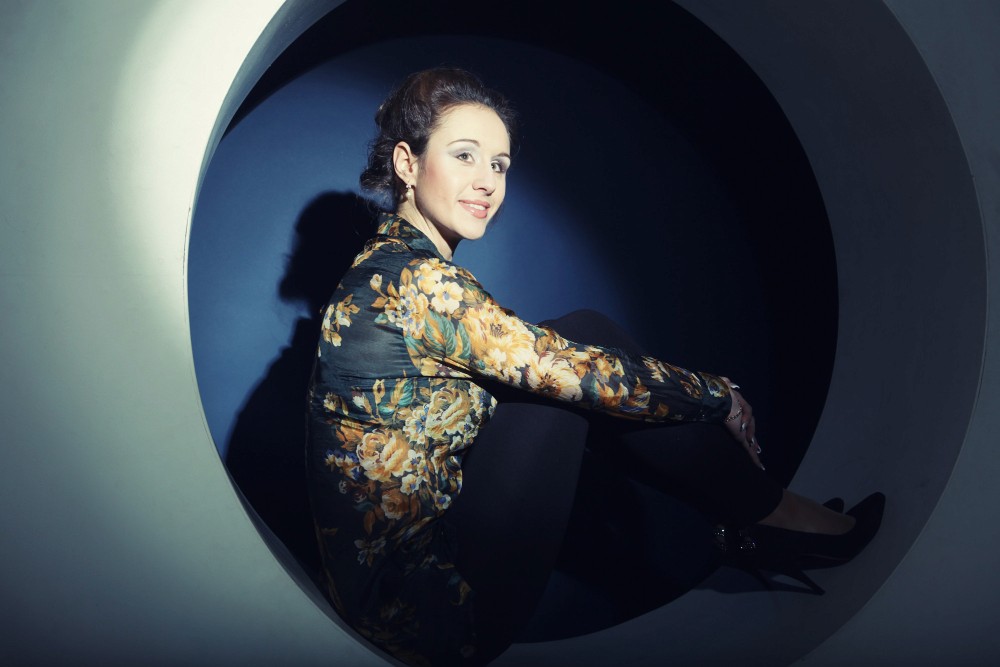
Fashion photography has completely changed in this DTC and e-commerce era. Earlier, brands required big production teams and seasonal studio shoots. Faster and more scalable visual content is now important due to multichannel selling, constant marketing, and quick product releases. This change has sped up the acceptance of AI fashion photography as a competitive substitute for traditional fashion photography.
Brands now must choose between using AI-powered solutions that promise speed, flexibility, and cost effectiveness or sticking with laborious traditional picture shoots. This blog compares the cost, quality, and turnaround time of AI vs traditional photography. By the end, fashion brands will know where each strategy works and how agencies like Veicolo are assisting them in applying AI-driven fashion images to modernize content development.
What is AI Fashion Photography?
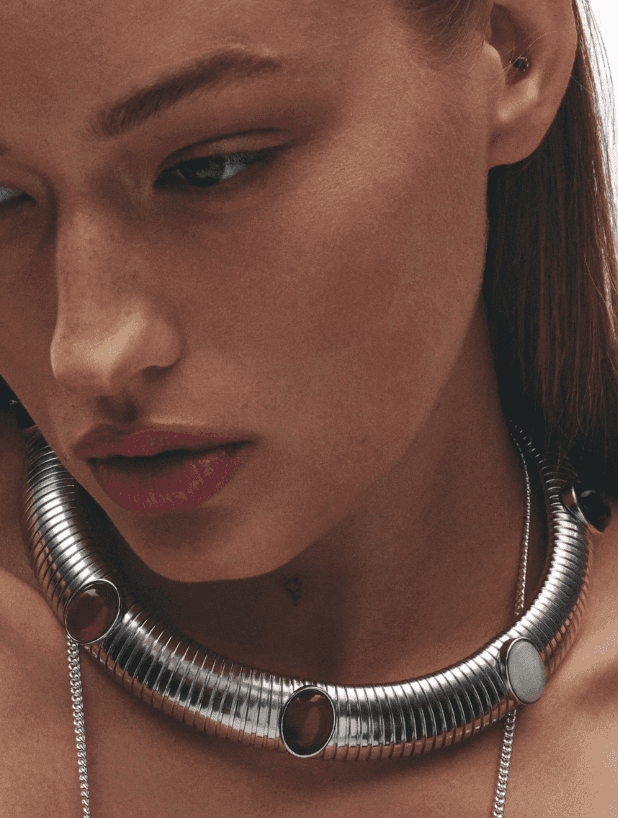
The use of artificial intelligence to create high-quality fashion shots without requiring a physical photoshoot is known as AI fashion photography. Brands use AI systems educated on fashion data to create realistic graphics instead of employing models, photographers, and studios. AI fashion photoshoots that digitally mimic studio lighting, clothing draping, and postures are powered by these systems.
Product inputs, such as flat pictures or CAD files, are usually the first step in an AI photoshoot for fashion brands. AI then applies clothing to virtual or AI-generated models, producing a variety of looks in various contexts. Brands can create locations, skin tones, body types, and poses at scale with AI model photography. E-commerce product pages, social media advertisements, PDP graphics, and catalog visuals are typical use cases, particularly for brands that prioritize performance and efficiency.
What Is Traditional Fashion Photography?
A physical production method is used in traditional fashion photography. It includes organizing logistics, renting studios or locations, recruiting photographers, models, stylists, and makeup artists, and preparing a shoot. Images are edited, retouched, and approved after the shoot before being delivered.
Traditional photography has a substantial cost structure. Talent fees, equipment rentals, studio expenses, travel, and post-production are examples of costs. Although this method allows for a great deal of creative control, it is time-consuming and challenging to scale. Luxury branding, editorial spreads, and storytelling campaigns that prioritize emotion and artistry are still dominated by traditional photo shoots. However, traditional fashion photography frequently finds it difficult to match the pace and flexibility needed in contemporary internet commerce for fast-moving DTC companies.
Cost Comparison: AI Photoshoot vs Traditional Photoshoot
One of the main differences between AI vs traditional photography is cost. When models, photographers, settings, logistics, and retouching are taken into consideration, a single traditional session may run into the thousands of dollars. Revisions and reshoots raise costs even further. These expenses quickly increase when brands introduce several SKUs.
AI fashion photography, on the other hand, drastically lowers initial and ongoing costs. AI fashion photo shoots do away with the need for talent, travel, and physical settings. An AI photoshoot for fashion brands is significantly more affordable because brands may produce hundreds of shots from a single product input. Because of this, AI is especially appealing for growing DTC companies that need regular visual upgrades without going over budget for manufacturing.
Quality Comparison: Can AI Match Traditional Photography?
Whether AI fashion photography can genuinely equal the caliber of traditional shoots is a prevalent worry. With precise lighting, shadows, and clothing fit, today's AI-generated fashion photos are incredibly lifelike. Fabric texture, folds, and silhouettes are remarkably consistently captured by sophisticated AI model photography.
But when it comes to high-end aesthetics, creative direction, and emotional storytelling, traditional photography still has an advantage. Luxury advertising frequently depends on on-set creativity and human intuition. Nevertheless, because of visual consistency, AI fashion photoshoots are frequently "good enough" and occasionally better for performance marketing, e-commerce, and PDP imaging. AI is quickly catching up to traditional photography in terms of quality, particularly for commercial use cases.
Speed & Turnaround Time: The Biggest Advantage of AI
When it comes to speed, AI fashion photography certainly performs better than traditional techniques. Timelines for traditional fashion photography, which include planning, shooting, editing, and approvals, can take weeks or months. Marketing campaigns and product launches may be slowed by this delay.
Brands can produce ready-to-use images in a matter of days or even hours using AI fashion photography. Faster drops, real-time creative updates, and quick experimentation are all made possible by this pace. For fashion brands, an AI picture shoot enables rapid A/B testing for PDPs and ads, enabling teams to optimize performance more quickly. In competitive industries where timing has a direct influence on revenue, agencies such as Veicolo use this speed advantage to assist fashion brands in remaining flexible.
Workflow Comparison: AI vs Traditional Fashion Photography
AI vs traditional photography has quite different workflows. Traditional fashion photography necessitates frequent coordination, strict scheduling, and several stakeholders. Any alteration, like a different palette or stance, frequently necessitates reshooting.
AI fashion photography, on the other hand, uses a simplified digital process. AI creates instantly editable visuals after product data is provided. Models, backgrounds, and styling can be altered without reshoots thanks to AI model photography. Delays, approvals, and friction are all decreased as a result. Faster iteration cycles, reduced dependencies, and increased control are all benefits for marketing teams. AI significantly increases operational efficiency while preserving visual consistency for organizations creating content at scale.
AI Fashion Photography for E-commerce & DTC Brands
AI fashion photography has definite benefits for DTC and e-commerce brands. Consistent, excellent images are needed for product listings on websites, marketplaces, and advertisements. At scale, traditional photography finds it difficult to retain this consistency.
Throughout whole collections, AI fashion photo shoots guarantee consistent lighting, poses, and framing. Localization and regional customization are supported by virtual environments without the need for new shoots. AI model photography makes it possible for marketers to represent a wide range of global audiences. Performance-driven growth methods are a fantastic fit for this strategy. AI-powered fashion images help marketers increase conversion rates, decrease production bottlenecks, and grow content more quickly across paid and organic channels, as Veicolo's resources illustrate.
When Should Fashion Brands Use AI Photography?
When efficiency, speed, and scale are top concerns, fashion brands should think about using AI fashion photography. Catalogs, PDP photos, paid advertisements, social media creatives, and visuals in the UGC style are all perfect for AI. AI fashion photoshoots are quite beneficial for brands that test many SKUs or introduce collections on a regular basis.
An AI photoshoot for fashion brands also makes seasonal campaigns and regional variations easier because images can be rapidly modified. When compared to traditional photography, AI performs better in high-volume, repetitive use cases where consistency is more important than creative experimentation. AI becomes a potent tool for growth-oriented DTC firms to maintain their competitiveness without raising production expenses.
When Traditional Photography Still Makes Sense
Traditional photography still has a place, even with the rise of AI fashion photography. Physical shootings are the finest way to capture the storytelling, workmanship, and emotional depth that are essential to high-end luxury branding. Human ingenuity and in-person connection are frequently needed for editorial spreads and flagship campaigns.
Authentic human presence is especially beneficial for influencer-led photo shoots and experiential campaigns. Traditional techniques are still useful for brand-building moments in the AI vs traditional photography debate. Instead of focusing only on one strategy, many successful brands use both traditional photography for hero assets and AI for scalable content.
The Hybrid Approach: AI + Traditional Photography
The majority of contemporary fashion brands won't only use one strategy. The advantages of both traditional and AI fashion photography are combined in a hybrid approach. While traditional shootings provide superior storytelling and emotional effect, AI manages speed, size, and efficiency.
AI fashion photo shoots can be used by brands for regular marketing content, while traditional shootings can be saved for special occasions. Between significant launches, AI model photography fills the void. This well-rounded strategy preserves brand quality while optimizing ROI. This hybrid model is frequently suggested by agencies like Veicolo to help brands in expanding sustainably without sacrificing originality.
Conclusion: Which Is Better: Price, Quality, or Speed?
The outcome of a comparison between AI vs traditional photography depends on the objectives of the brand. AI fashion photography is unquestionably faster and more cost-effective. Faster launches, consistent visuals, and scalable content creation are all made possible by it. In terms of luxury branding and emotional narrative, traditional photography continues to shine.
AI fashion photoshoots provide a competitive edge for the majority of DTC and e-commerce brands. They support performance marketing at scale, cut expenses, and speed up workflows. AI technology's contribution to the creation of fashion content will only increase as it develops further.
FAQs
1. Is AI fashion photography suitable for luxury brands?
AI fashion photography can help luxury firms with internal testing, digital previews, and lookbooks. However, traditional fashion photography and on-location shoots continue to be more beneficial for high-end storytelling, emotional depth, and prestige advertising.
2. Do marketplaces accept AI-generated fashion images?
Indeed, as long as AI-generated fashion photographs adhere to standards for image quality, accuracy, and product portrayal, the majority of significant e-commerce marketplaces accept them. AI fashion photography has already been effectively used by numerous brands for catalog images and PDPs.
3. How accurate is AI model photography for fit and fabric?
For standardized clothing, contemporary AI model photography captures fit, drape, and fabric texture with great accuracy. For fashion brands that prioritize digital, it produces dependable results, even though it might not completely replace physical samples.
4. Does AI photography reduce creative control?
No, creative control is frequently enhanced by AI fashion photography. Compared to traditional fashion photography workflows, experimentation is quicker and more versatile since brands may instantaneously modify poses, models, backgrounds, and styling without the need for reshoots.
5. Is AI fashion photography scalable for global brands?
Indeed, one of the main benefits of AI fashion photography is its scalability. Global brands can create massive volumes of content, adapt models and locations, and provide consistent graphics across areas without raising production costs or complexity.
Featured Case Study

304 %
Scaled Revenue MoM

4x ROAS
consistently over 6 months

125 %
YoY Meta Spend Growth


304 %
Scaled Revenue MoM
OUR APPROACH
Turning Performance Data
Into Profit Clarity
1. Profit-First Measurement
We start where most growth strategies stop: profit. Campaigns, channels, and products are evaluated against margin, contribution, and cash flow—not surface metrics.
2. Marketing Connected to the P&L
Performance data only matters when it maps to financial reality. We align ad spend, customer acquisition, inventory, and lifecycle value into a single decision-making system.
3. Continuous Financial Optimization
Growth isn’t a one-time model. We monitor performance as conditions change—traffic mix, demand, costs—so decisions stay profitable as you scale.




Want to get similar results?
Our Impact,
By The Numbers
RELATED ARTICLES