ARTICLES
Category:
Industry Specific Strategy

Fashion Like Marketing Isn't One Size Fits All
Fashion marketing stands apart from conventional marketing through its unique approach to brand communication and market understanding. At its core, it requires three essential elements:
1. Industry Cycle Expertise
Success in fashion marketing demands a deep understanding of industry trends and seasonal cycles. Unlike other sectors, fashion operates on its own calendar, with unique rhythms and timing that affect everything from campaign planning to product launches. Fashion marketers must navigate:
Customer buying behavior changing throughout the year
Social connotation and trends; i.e., social media and traditional media events like fashion week
Season-specific strategies and inventory management
This is often where agency vs in-house discussions surface, as only agencies with deep fashion experience can match the industry's speed and nuance.
2. Brand Voice Customization
Each fashion brand has its distinct voice and aesthetic. A specialized fashion marketing approach ensures this uniqueness is preserved and amplified through every campaign. This includes:
Tone and language specific to market positioning
Visual guidelines that reflect brand heritage
Customer persona alignment
Cultural sensitivity and market adaptation
3. Financial Understanding
Fashion marketing strategies must be rooted in industry-specific business metrics and financial considerations, ensuring that marketing efforts align with fashion retail's unique economic model. Key aspects include:
Margin considerations across product categories
Seasonal inventory planning
Marketing budget allocation across channels
ROI expectations for different product categories
Common Challenges with Generic Marketing
While generic marketing agencies may excel in broad digital strategies, they face significant hurdles when handling fashion brands. These agencies often lack the nuances required to preserve brand integrity, which highlights why fashion brands fail with generic agencies.
Here are the critical limitations that reinforce the need for fashion-focused expertise:
Brand Voice Misalignment
Without deep industry knowledge, agencies frequently fail to capture and communicate a brand's unique aesthetic and personality. This can result in:
Inconsistent messaging across platforms
Poor understanding of luxury market dynamics
Misinterpretation of brand heritage
Inappropriate content tone and style
Emotional Disconnection
Fashion marketing requires a nuanced understanding of how to connect with fashion-conscious audiences emotionally. Common pitfalls include:
Missing aspirational elements in campaigns
Failing to create desire and exclusivity
Overlooking the importance of lifestyle association
Insufficient focus on brand storytelling
Balance Issues
Many agencies struggle to find the sweet spot between driving sales and preserving brand equity. This manifests in:
Over-promotion that dilutes brand value
Insufficient focus on long-term brand building
Misaligned pricing and promotion strategies
Poor integration of online and offline experiences
Visual Storytelling Is Key
Exceptional visual storytelling forms the cornerstone of successful fashion marketing. Unlike traditional marketing approaches, fashion campaigns must weave compelling visual narratives that capture both the essence of luxury and the brand's identity.
A major part of this storytelling today is rooted in performance creative turning ad spend into profitable growth, ensuring aesthetics work hand-in-hand with measurable ROI.
This includes:
High-Quality Visual Content
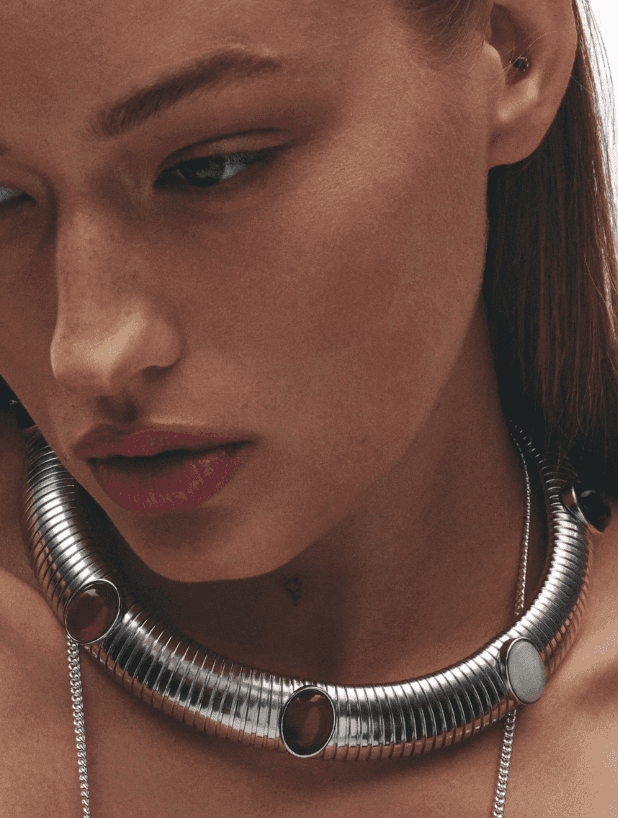
Professional fashion photography
Behind-the-scenes content
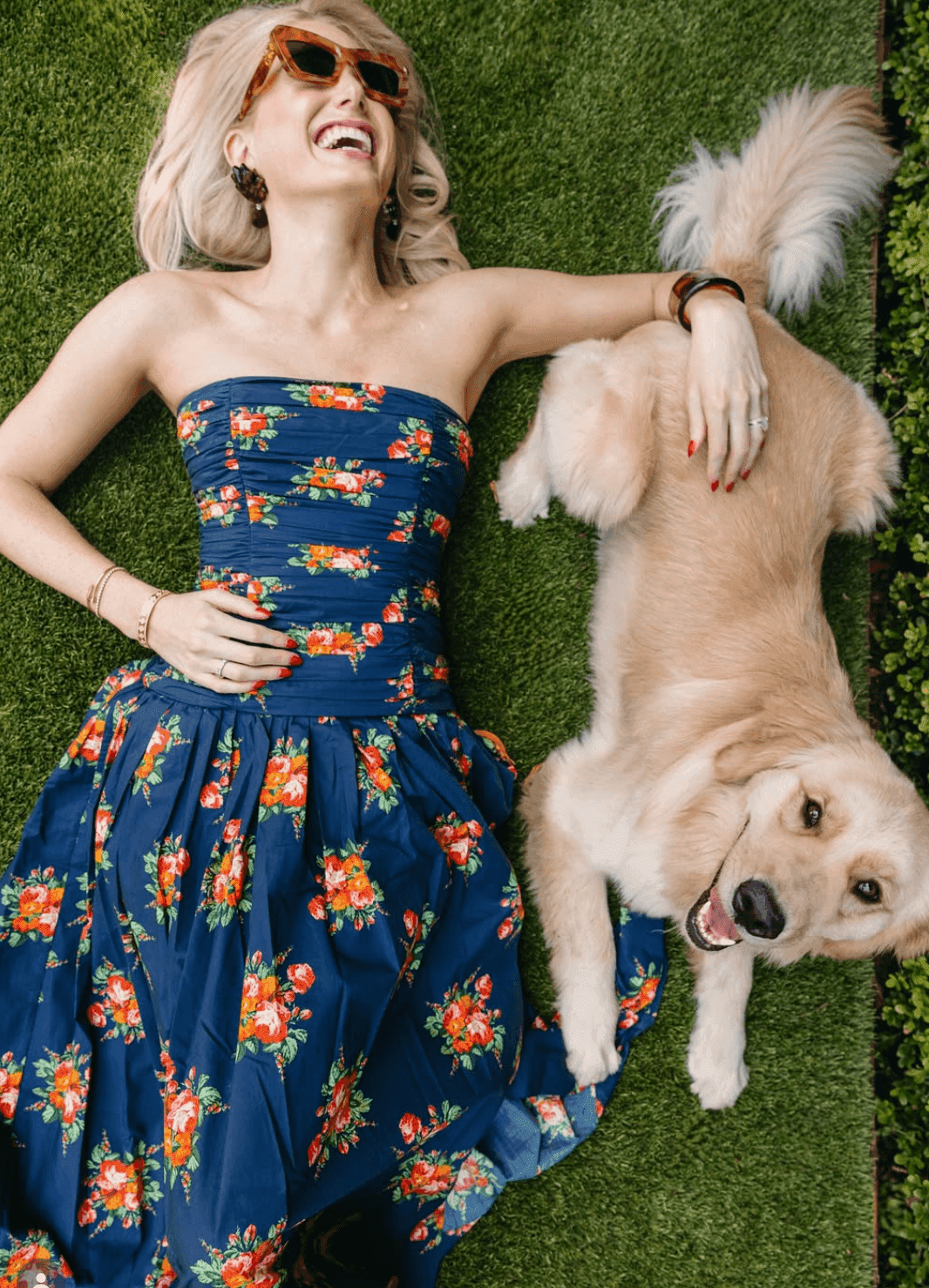
Lifestyle imagery
Product detail shots
Campaign films and teasers
Brand Consistency
Consistent color palettes
Typography guidelines
Image styling rules
Layout principles
Narrative Development
Developing seasonal themes
Creating emotional connections
Building character and personality
Incorporating cultural relevance
Sustainability and Ethical Marketing
In today’s evolving fashion landscape, sustainability has become a foundational part of brand identity. Fashion marketing now carries the responsibility of weaving environmental consciousness into the brand narrative while preserving its aspirational appeal.
This shift presents both an opportunity and a challenge: How do brands communicate sustainability authentically while maintaining exclusivity?
Key approaches include:
Transparent Supply Chain Communication
Material origin breakdown
Ethical production insights
Environmental impact reporting
Ethical Marketing Practices
Genuine storytelling around sustainability efforts
Documented progress reports
Community-driven initiatives
Not Your Average Marketing
Fashion marketing is an artful blend of precision and creativity. To perform at the highest level, brands must ensure that performance creative at the core of strategy shapes every campaign — from concept to execution.
Here’s why thoughtful planning and coordination matter:
Strategic Timing and Planning
Campaigns must align with:
Fashion weeks
Seasonal launches
Holiday cycles
Market-specific events
Channel Synergy
Fashion thrives in omnichannel environments:
Integrated online + offline experiences
Unified customer journey
Cross-channel performance tracking
Consistent storytelling everywhere
Platform Authenticity
Each platform requires tailored content without losing brand consistency. This includes:
Understanding technical formats
Aligning with audience expectations
Preserving tone, voice, and visual identity
Conclusion
The success of fashion marketing lies in understanding the industry's unique requirements and implementing strategies that honor both brand integrity and commercial objectives. For brands evaluating how to choose a marketing growth agency, the answer lies in selecting partners who understand fashion's creative, financial, and cultural complexities.
As the fashion landscape evolves, specialized marketing expertise becomes non-negotiable. Brands must balance:
Digital innovation vs. luxury tradition
Sustainability vs. commercial growth
Global relevance vs. local nuance
Ready to elevate your brand? Start by assessing your current strategy through the lens of specialized fashion marketing principles — the difference between surviving and thriving often starts with choosing the right fashion marketing agency.
FAQs
1. Why do fashion brands need a specialized fashion marketing agency instead of a generalist agency?
Fashion marketing requires deep understanding of seasonal cycles, luxury storytelling, and visual identity. Generalist agencies often apply broad, templated strategies, which is a key reason why fashion brands fail with generic agencies. A specialized partner ensures brand voice, creative execution, and commercial goals align with the fashion industry’s unique dynamics.
2. What’s the difference between hiring an agency vs in-house for fashion marketing?
Choosing agency vs in-house depends on your goals. In-house teams offer speed and brand familiarity, but agencies bring broader expertise, deeper creative talent, and advanced cross-channel capabilities. Fashion-specific agencies also stay ahead of seasonal trends and platform shifts, which most in-house teams can’t match alone.
3. How do I know how to choose a marketing growth agency for my fashion brand?
To understand how to choose a marketing growth agency, evaluate their fashion industry experience, creative capabilities, performance track record, and understanding of margin-based decision-making. The right agency should show proven expertise in brand building, paid media, and fashion-specific growth strategies instead of offering one-size-fits-all tactics.
4. What role does performance creative play in driving profitable growth for fashion brands?
Today’s fashion marketing relies heavily on performance creative turning ad spend into profitable growth. Creative assets must convert while still elevating brand identity. High-performing campaigns combine storytelling, visual excellence, and data-driven creative testing to scale revenue without compromising brand equity.
5. Why is performance creative at the core of strategy for modern fashion brands?
Modern marketing platforms reward brands that place performance creative at the core of strategy. With rising acquisition costs and shrinking attention spans, the creative itself often determines 70–80% of campaign outcomes. For fashion brands, this means stronger visuals, clearer messaging, and faster creative iteration cycles tied directly to performance goals.
Featured Case Study

304 %
Scaled Revenue MoM

4x ROAS
consistently over 6 months

125 %
YoY Meta Spend Growth


304 %
Scaled Revenue MoM
OUR APPROACH
Turning Performance Data
Into Profit Clarity
1. Profit-First Measurement
We start where most growth strategies stop: profit. Campaigns, channels, and products are evaluated against margin, contribution, and cash flow—not surface metrics.
2. Marketing Connected to the P&L
Performance data only matters when it maps to financial reality. We align ad spend, customer acquisition, inventory, and lifecycle value into a single decision-making system.
3. Continuous Financial Optimization
Growth isn’t a one-time model. We monitor performance as conditions change—traffic mix, demand, costs—so decisions stay profitable as you scale.




Want to get similar results?
Our Impact,
By The Numbers
RELATED ARTICLES