ARTICLES
Category:
Industry Specific Strategy
The New Face of Fashion
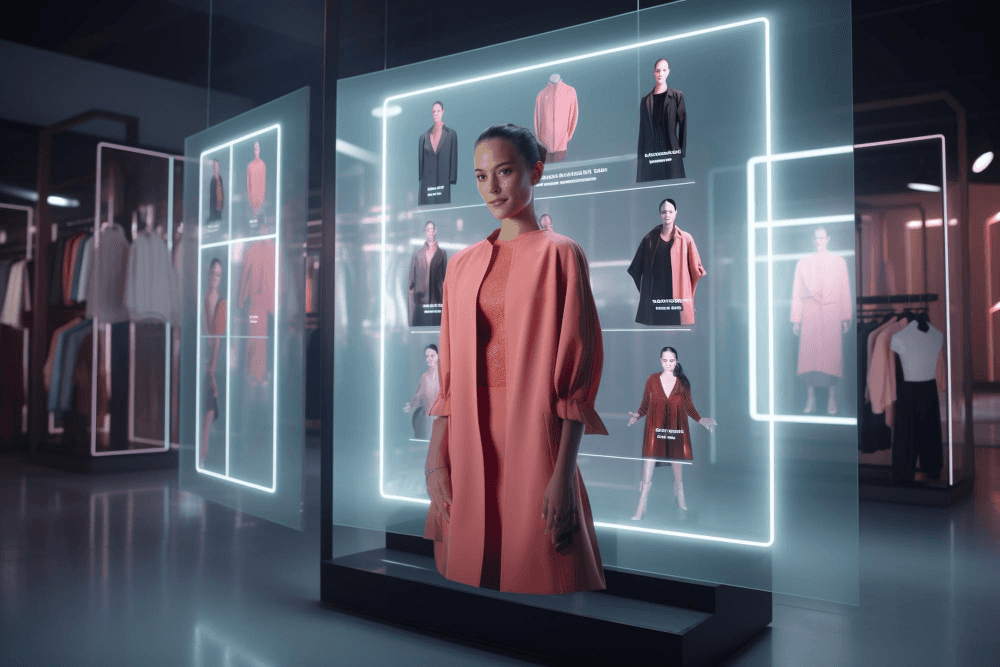
The world of fashion photography is evolving faster than ever before. Once dominated by glossy studios, expensive shoots, and countless retakes, the industry is now embracing digital innovation like never before. At the heart of this transformation are virtual models for clothes — AI-powered creations redefining how fashion brands design, shoot, and market apparel, especially as ai powered content creation becomes a core part of modern workflows.
Imagine launching a new collection without coordinating models, stylists, or travel schedules. Instead, you simply select your virtual fashion models, upload your digital garments, and generate campaign visuals in hours. That’s not a dream anymore—it’s the reality of AI fashion photography.
This new era of fashion imagery isn’t just about convenience; it’s about creativity, inclusivity, and speed. As the line between technology and artistry blurs, brands that adopt virtual model photography early will find themselves leading the next wave of fashion storytelling.
What Are Virtual Models for Clothes?
Virtual models for clothes are digitally created representations of human models, designed using AI, 3D modeling, and advanced rendering software. They mimic real-world proportions, poses, and facial expressions but exist entirely in the digital world.
These digital fashion models can “wear” garments designed for real production, offering brands a chance to visualize collections before manufacturing begins. Using advanced AI model photography tools, brands can dress these models in virtual versions of their clothing lines, complete with realistic textures, lighting, and fabric movement.
What makes them revolutionary is their flexibility. A brand can customize every aspect—from body shape and skin tone to hairstyle and expression—ensuring perfect brand alignment. Even high-end fashion houses and major retailers are adopting this technology to diversify representation and experiment with digital campaigns.
Fashion icons like Shudu Gram and Lil Miquela—once considered experimental avatars—have proven the appeal of virtual fashion models. These creations have starred in major campaigns, walked digital runways, and collaborated with top brands. It’s no longer futuristic; it’s functional and commercially viable.
The Rise of AI in Fashion Photography
The shift from traditional photoshoots to AI model photography represents one of the most transformative changes in fashion marketing. Traditional shoots involve dozens of people, large budgets, and weeks of coordination. AI-based systems, however, can produce lifelike imagery from creative direction alone.
With AI fashion photography, algorithms simulate professional lighting, camera angles, poses, and even the nuanced flow of fabric. What used to take a full day in a studio can now be achieved in minutes on a digital platform.
AI Fashion Photography Companies play a critical role here. They combine creative direction with machine learning to deliver premium fashion visuals that look indistinguishable from real photos. From lookbooks to social content, these agencies empower brands to produce more content, faster, and at a fraction of traditional costs.
For brands with global reach, this shift means consistency, every model, outfit, and shot aligns perfectly with brand guidelines. The creative freedom is immense: want your model in a Parisian street scene or a futuristic glass studio? AI renders it instantly.
This isn’t just a convenience; it’s a creative evolution. AI fashion photography has transformed image creation from a logistical challenge into a design-driven experience.
Virtual Fashion Models vs. Traditional Models
The debate between virtual fashion models and traditional models isn’t about replacement—it’s about reinvention. As conversations around AI fashion photography vs traditional photography grow, it’s clear that each approach brings unique strengths to the table. Traditional photoshoots have their charm, but they come with constraints: scheduling, weather, travel, and physical limitations.
In contrast, virtual fashion photoshoots eliminate these barriers entirely. A designer can visualize their latest collection on multiple body types in minutes, or change poses, makeup, and lighting instantly. No need for reshoots or new bookings—just creative experimentation at scale.
Brands are also using digital avatars to achieve inclusivity. Unlike the narrow representation seen in early fashion advertising, digital fashion models can be created in any ethnicity, age, or body shape. This inclusivity isn’t performative—it’s programmable.
However, the rise of virtual fashion photography also brings questions. Can digital models evoke the same emotional connection as real ones? Can they represent authenticity? While these discussions continue, the truth is that the technology complements human creativity—it doesn’t replace it.
Brands like Balmain and Prada are experimenting with hybrid campaigns, blending real and virtual models for maximum impact. The result? Fresh, futuristic, and visually captivating.
AI Models for Clothing Brands
For clothing brands, especially those in eCommerce or DTC fashion, AI models for clothing brands represent a new level of efficiency and innovation.
Here’s why this technology is becoming indispensable:
Speed & Scale: Launching a new collection? You can generate hundreds of outfit combinations instantly, ready for social media or product listings.
Cost Efficiency: No location rentals, makeup teams, or retouching bills—just pure creative output.
Brand Consistency: Keep lighting, tone, and model features consistent across all visuals.
Sustainability: Fewer physical resources, less waste, and no travel emissions.
AI models also empower brands to test creative variations effortlessly. For instance, if a brand wants to A/B test which look drives more engagement—a casual streetwear pose or a luxury editorial style, they can generate both with no added cost.
A fictional example illustrates the point: imagine a small sustainable fashion label using a virtual model platform. Within days, they could create an entire catalog featuring AI models in different environments, from beachside shoots to urban streets, all perfectly on-brand.
This accessibility levels the playing field between boutique brands and industry giants. The technology once reserved for large campaigns is now available to any designer or retailer.
Ultimately, AI model photography is not just about images, it’s about strategy. It enables brands to focus on creativity, storytelling, and audience engagement instead of production logistics.
Also read: Complete guide to e‑commerce product photography & AI
Inside a Virtual Fashion Photoshoot
If traditional photoshoots are like stage plays, filled with sets, crews, and cameras—then a virtual fashion photoshoot is like directing a digital movie. Every detail can be imagined, tested, and perfected inside a creative software environment, offering a modern alternative to traditional product photography & styling services when brands need scale and flexibility.
Let’s break down what goes into it:
Digital Garment Creation: The process starts by turning physical clothing into 3D digital garments. Using pattern files or fabric scans, designers recreate realistic textures, stitching, and movement.
Virtual Model Selection: Brands then choose their virtual models for clothes—custom avatars designed to match the campaign’s aesthetic. Some prefer ultra-realistic models, while others opt for stylized, artistic characters.
Scene Design & Lighting: The digital studio offers endless possibilities—soft studio lighting, golden-hour outdoor scenes, or even futuristic cityscapes. Unlike real sets, these can be adjusted instantly.
AI Rendering & Refinement: Using AI fashion photography tools, the final render combines photorealism and art direction. AI can simulate real camera lenses, lighting behavior, and fabric drape to produce high-end editorial visuals.
Post-Processing: Finally, brands can tweak color tones, shadows, or poses without any reshoot. Every photo is editable at pixel precision.
What once took weeks now happens in a few clicks. This streamlined workflow allows brands to test, experiment, and scale their creative output faster than ever.
As AI model photography evolves, these virtual shoots are also becoming interactive. Some advanced setups even allow real-time adjustments—change an outfit or scene live during the shoot—bringing the gap between art direction and digital execution.
In essence, virtual fashion photography doesn’t remove the creative process; it redefines it. The shoot becomes more about vision and less about logistics.
The Role of AI Fashion Photography Companies
Behind every successful digital campaign stands an AI Fashion Photography that makes it all work seamlessly. These agencies specialize in combining cutting-edge technology with fashion-forward creativity, helping brands bring their digital concepts to life.
An AI Fashion Photography Company typically offers:
Virtual model development: Creating customized AI models for clothing brands that align with their identity, tone, and audience.
Virtual photoshoots: Full-scale photoshoot production—from lighting and posing to set design—executed completely through AI and 3D software.
Creative direction: Guiding brand storytelling to ensure that the digital visuals still convey emotion, authenticity, and style.
Content scaling: Producing hundreds of visuals for social media, lookbooks, and campaigns quickly and affordably.
For growing fashion labels, working with an AI-driven agency like Veicolo can mean a faster path to global-quality campaigns without the traditional expenses. Whether you need lifestyle visuals for a new product drop or editorial shots for an upcoming lookbook, AI-generated imagery allows flexibility across styles and channels.
Moreover, these companies ensure the results stay true to a brand’s aesthetic values. By combining machine precision with human creativity, they help brands deliver visuals that are not just digital—but deeply human in feel.
The Future of Virtual Fashion Photography
The fashion industry has always been a mix of creativity and technology—from sewing machines to digital printing. But virtual fashion photography represents a leap beyond tools—it’s a reinvention of imagination itself.
Here’s what the future looks like:
Interactive Virtual Runways: Imagine audiences exploring a digital catwalk in real time, rotating camera angles, and zooming in on fabric textures. With virtual models leading the way, every runway could be accessible globally.
Personalized AI Models: In the near future, brands might allow shoppers to create personal avatars—virtual versions of themselves—to try on outfits digitally. This could transform eCommerce experiences and reduce return rates.
AR & Metaverse Integration: As fashion enters augmented reality, digital fashion models will appear in AR mirrors or metaverse spaces, blending physical and virtual shopping seamlessly.
Sustainability at Scale: Reducing photoshoot waste and emissions aligns perfectly with the sustainability goals of modern fashion. Digital campaigns can be updated without reshooting or printing—saving both money and the planet.
Perhaps the most exciting evolution will be creative collaboration between humans and AI. Stylists, photographers, and art directors will use virtual environments as canvases, blending their artistic instincts with AI’s limitless possibilities.
Brands that embrace AI fashion photography early will gain an edge not just in marketing efficiency, but in brand storytelling—crafting futuristic, inclusive, and visually captivating narratives that traditional shoots simply can’t match.
Conclusion
The journey from analog to AI is reshaping every corner of the fashion world—and photography is at the forefront of that change. Virtual models for clothes have moved from being a curiosity to a core creative tool, redefining how fashion is presented, perceived, and produced.
For brands, this isn’t just a cost-saving opportunity; it’s a creative renaissance. From virtual fashion models that embody inclusivity to AI model photography that empowers limitless imagination, the digital runway is open to everyone.
Partnering with an experienced AI Fashion Photography Company gives brands the confidence to explore new ideas, scale their campaigns, and stay visually ahead in a fast-changing world.
In the end, fashion has always been about vision—and today, that vision is powered by intelligence, innovation, and imagination. The future of fashion imagery isn’t coming; it’s already here.
Final Takeaway
The fashion world is stepping confidently into its digital era. Virtual models for clothes are not just the “next big thing”—they’re the natural evolution of fashion creativity. Whether you’re a designer, brand, or marketer, the opportunity lies in combining human vision with AI precision.
The future of fashion photography is virtual, sustainable, and infinitely creative—and those who adapt now will define what style looks like tomorrow.
FAQs:
Q1: What are virtual fashion models?
Virtual fashion models are computer-generated humans designed to showcase clothing in digital or AI-generated photoshoots. They can be customized to represent different body types, styles, and personalities.
Q2: Are AI models realistic enough for campaigns?
Yes. Today’s AI fashion photography tools create hyperrealistic lighting, skin textures, and fabric details that rival traditional studio shoots. Many top brands already use AI models in ads and lookbooks.
Q3: How can clothing brands start using AI model photography?
Brands can collaborate with an AI Fashion Photography Company to develop custom virtual models and produce digital campaigns. This process is faster and more scalable than traditional photoshoots.
Q4: Is virtual fashion photography cost-effective?
Absolutely. Since there’s no need for travel, set design, or physical production, brands save significantly while gaining creative flexibility.
Q5: Can AI replace real models completely?
Not entirely. Human models bring emotion and spontaneity that AI can’t replicate. However, AI models complement them—especially for digital catalogues, eCommerce, or conceptual shoots where versatility matters most.
Featured Case Study

304 %
Scaled Revenue MoM

4x ROAS
consistently over 6 months

125 %
YoY Meta Spend Growth

304 %
Scaled Revenue MoM
OUR APPROACH
Turning Performance Data
Into Profit Clarity
1. Profit-First Measurement
We start where most growth strategies stop: profit. Campaigns, channels, and products are evaluated against margin, contribution, and cash flow—not surface metrics.
2. Marketing Connected to the P&L
Performance data only matters when it maps to financial reality. We align ad spend, customer acquisition, inventory, and lifecycle value into a single decision-making system.
3. Continuous Financial Optimization
Growth isn’t a one-time model. We monitor performance as conditions change—traffic mix, demand, costs—so decisions stay profitable as you scale.




Want to get similar results?
Our Impact,
By The Numbers
RELATED ARTICLES