ARTICLES
Category:
AI Fashion Photography
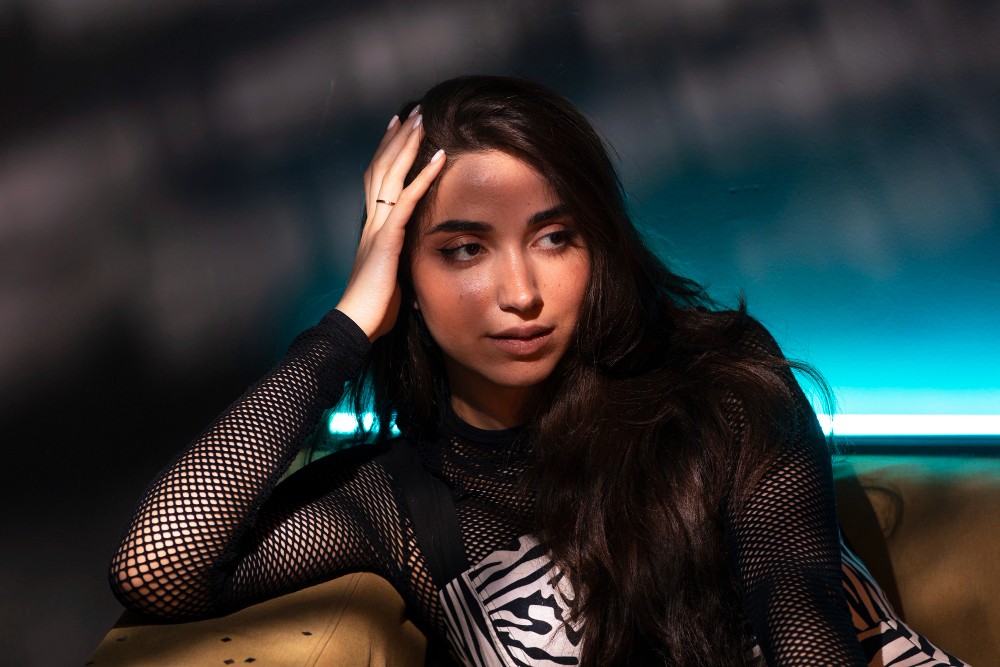
The fashion business is constantly under pressure to create high-quality images more quickly, more affordably, and on a larger scale. Brands require consistent imagery that works across platforms for anything from social media campaigns to paid advertisements and e-commerce listings. Traditional photography models, however, find it difficult to meet contemporary needs. Here, AI fashion photography is changing the way companies create content.
AI fashion photography services enable brands to drastically cut production costs while opening up new creative possibilities by fusing automation, creativity, and scalability. The transition to AI-powered images, from AI product photography to AI model photography, is now purposeful rather than experimental.
What is AI Fashion Photography?
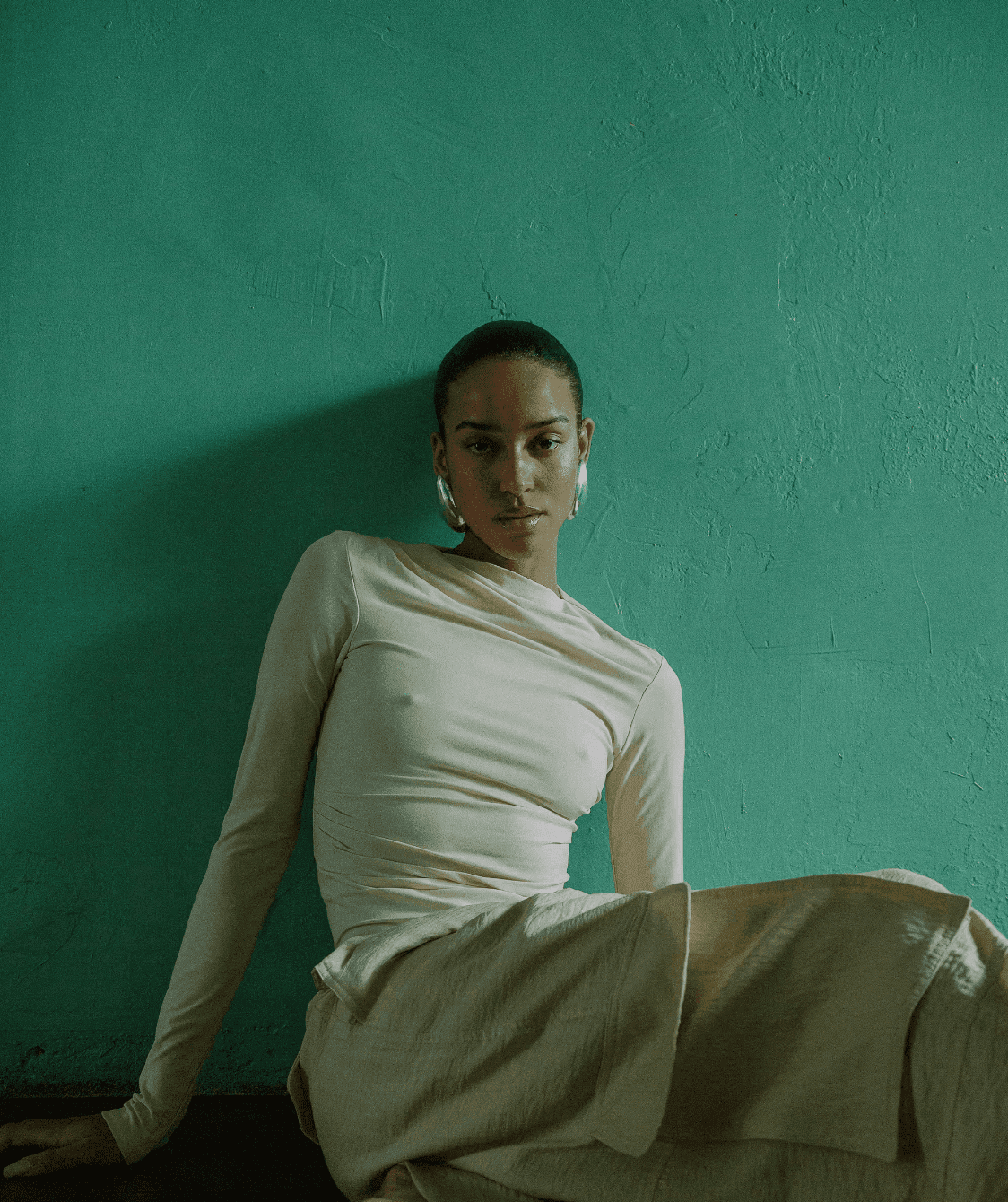
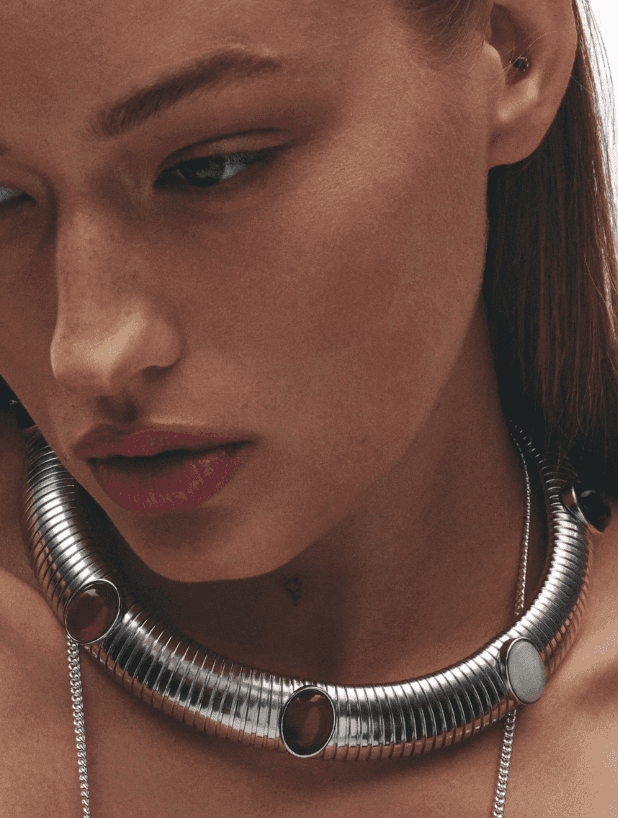
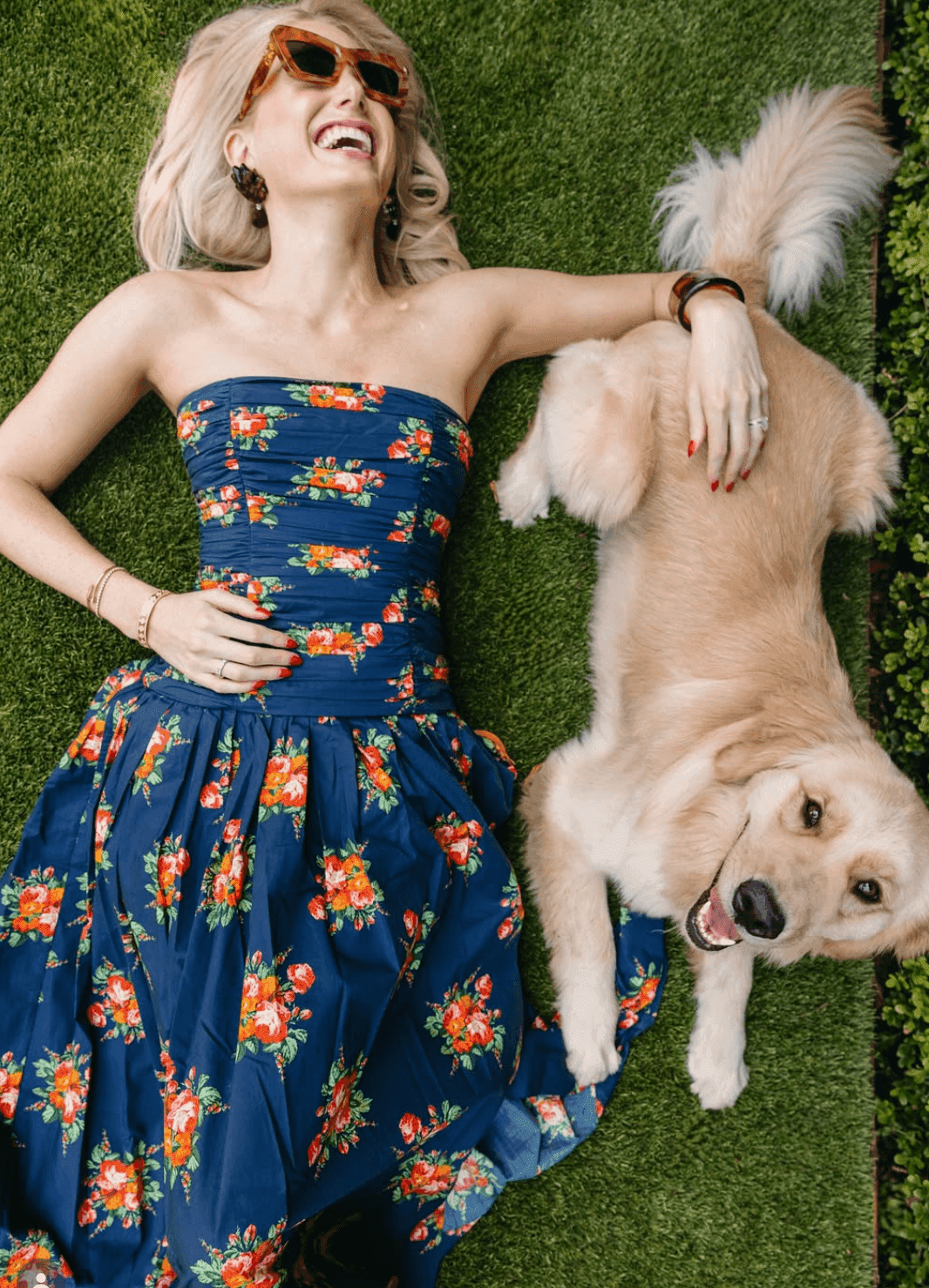
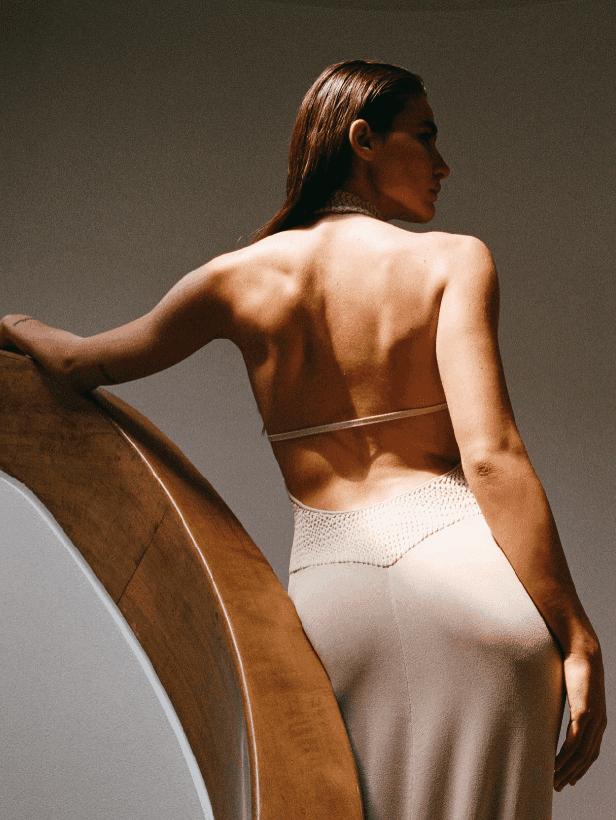
The use of artificial intelligence to produce, improve, and modify fashion shots without depending only on in-person photoshoots is known as "AI fashion photography." Brands ask AI to create model photos, product visualizations, backgrounds, and digital creative variations rather than planning repeated shoots.
This includes AI creative photography for campaign-style photos, AI model photography for realistic on-model graphics, and AI product photography for crisp catalogue images. With a single product input, an AI fashion photoshoot may now generate hundreds of creatives , increasing the speed and flexibility of content creation.
AI fashion photography for e-commerce allows for quick content updates without sacrificing quality for contemporary brands, particularly in e-commerce.
The Real Price of Traditional Fashion Photoshoots
Traditional photoshoots remain expensive and difficult to scale. Hiring models, photographers, studios, stylists, makeup artists, managing logistics, and handling post-production quickly drives up costs.
Beyond the obvious expenses, hidden costs also stack up—limited image variations from each shoot, reshoots caused by creative changes, and delays due to tight schedules. As brands grow, these inefficiencies become major barriers to scaling visual content.
Compared to this model, AI fashion photography services offer a more practical solution for growing brands, delivering predictable pricing and faster turnaround times.
How Production Costs Are Lowered by AI Fashion Photography
One of the biggest advantages of AI fashion photography is its cost efficiency. AI removes much of the coordination required for traditional shoots.
With AI product photography, marketers can generate multiple lighting styles, backgrounds, and angles from a single product input. An AI fashion photoshoot enables teams to repurpose assets across seasons and campaigns without the need for repeated physical shoots.
As assets scale, the cost per image drops significantly. This makes AI fashion photography services especially valuable for brands with large inventories or frequent product launches.
Using AI-Powered Photography to Increase Creative Freedom
Saving money is just one aspect of the situation. Teams can experiment without taking costly risks thanks to AI creative photography. Companies can quickly test various ideas, compositions, and styles.
AI fashion photography allows creatives to experiment with lifestyle, modify backgrounds, explore strong visual concepts, and produce campaign-level imagery without going over budget. Stronger narrative and brand uniqueness are supported by this adaptability.
AI fashion photoshoot capabilities provide marketing teams with quicker iterations and more effective creatives for advertisements and social media.
AI Model Photography: Unrestricted Representation
Traditional restrictions on model availability, location, and variety are eliminated with AI model photography. With a variety of body types, skin tones, and styling variances, brands can produce consistent on-model images.
This strategy promotes inclusive representation while guaranteeing uniformity among catalogues. Global companies can keep a consistent style while customising images for local consumers thanks to AI fashion photography.
Brands may avoid recurring casting and scheduling while retaining complete creative control by utilising AI model photography.
AI Fashion Photography for Successful E-Commerce
Visual consistency and clarity are critical to the success of e-commerce. AI fashion photography for e-commerce enables brands to produce large-scale, conversion-focused imagery.
AI product photography reduces uncertainty and returns by enabling buyers to explore many angles, close-ups, and variations. Revenue is directly impacted by new items going live sooner due to faster content changes.
AI fashion photography services guarantee that images are platform-ready and performance-optimized for social commerce, websites, and marketplaces.
Use Cases in the Fashion Industry
AI fashion photography is extensively used in:
DTC fashion brands that require quick creative results
Managing extensive catalogues for B2B manufacturers
Private labels and marketplaces
New brands looking to cut costs
Global expansion of enterprise brands
AI fashion photography services promote scalability, speed, and consistency in each scenario without adding to the complexity of operations.
Sustaining Brand Trust, Accuracy, and Quality (EEAT)
When utilising AI-generated images, EEAT is still crucial. To ensure accuracy and authenticity, successful brands mix human inspection with AI fashion photography.
Transparency, quality assurance, and clear brand rules guarantee that images correspond to actual products. When used properly, AI creative photography increases rather than decreases trust.
Instead of taking the place of creative teams, AI strengthens them, freeing up specialists to concentrate on strategy and narrative.
How Veicolo Uses AI Fashion Photography to Help Brands Grow
For companies looking to strategically use AI fashion photography services, Veicolo is here to offer a solid combination of creative expertise and performance-driven execution. Our team is aware of the particular difficulties fashion brands encounter in creating a strong balance between cost-effectiveness and artistic brilliance.
We help brands with a smooth content creation process while maintaining visual consistency across e-commerce and marketing platforms by utilising AI fashion, product, and model photography. Our strategy emphasises scalability, brand alignment, and quantifiable outcomes, which makes us an invaluable partner for fashion companies that prioritise growth.
Choosing the Best AI Partner for Fashion Photography
When choosing AI fashion photography services, brands should consider industry experience, creative quality, scalability, and workflow integration.
The ideal partner is aware of both corporate goals and fashion aesthetics. Alignment with brand objectives is crucial for both campaign-level AI creative photography and AI fashion photography for e-commerce.
The Future of Fashion Photography
Fashion content will be digital, scalable, and driven by creativity in the future. As AI fashion photography develops further, brands will be able to create more content with fewer resources.
Early users of AI fashion photoshoot technology benefit from cost control, speed, and flexibility, giving them a competitive advantage. CEOs see this change as a long-term strategic advantage in addition to efficiency.
Conclusion
The way marketers produce visual content is changing thanks to AI fashion photography. It provides a more sensible substitute for traditional manufacturing models by lowering expenses, boosting speed, and developing creativity.
Brands can grow with confidence, enhance e-commerce success, and maintain their competitiveness in a market that is changing quickly with the correct AI fashion photography services.
FAQ
1. Can AI replace traditional fashion photography?
No, traditional photography still has a significant role, particularly in capturing real-world textures and emotional connections, even though AI can handle many parts of fashion imaging. The best approach is frequently a combination of the two.
2. Can e-commerce brands use AI product photography?
Indeed, AI fashion photography for e-commerce is perfect since it allows for better conversion rates across websites and marketplaces, faster catalogue updates, and consistent, clear product pictures.
3. What distinguishes AI model photography from traditional model shoots?
AI model photography ensures consistent presentation and inclusive representation while producing realistic on-model photographs digitally, removing scheduling, location, and casting issues.
4. Is it possible for AI fashion photography to drastically lower manufacturing costs?
Of course. AI fashion photography services offer predictable pricing and reduced cost per image as content volume rises, eliminating studio, travel, and reshoot expenses.
5. Do consumers trust AI fashion photos for online retail?
AI fashion photography for e-commerce produces precise, dependable images that boost consumer confidence and foster trust when paired with human oversight and brand rules.
Featured Case Study

304 %
Scaled Revenue MoM

4x ROAS
consistently over 6 months

125 %
YoY Meta Spend Growth

304 %
Scaled Revenue MoM
OUR APPROACH
Turning Performance Data
Into Profit Clarity
1. Profit-First Measurement
We start where most growth strategies stop: profit. Campaigns, channels, and products are evaluated against margin, contribution, and cash flow—not surface metrics.
2. Marketing Connected to the P&L
Performance data only matters when it maps to financial reality. We align ad spend, customer acquisition, inventory, and lifecycle value into a single decision-making system.
3. Continuous Financial Optimization
Growth isn’t a one-time model. We monitor performance as conditions change—traffic mix, demand, costs—so decisions stay profitable as you scale.




Want to get similar results?
Our Impact,
By The Numbers
RELATED ARTICLES