Choosing a fashion marketing agency is not a strategic outsourcing choice. This growth-defining decision for fashion brands all directly impacts revenue velocity, brand equity, and long-term scalability.
The incorrect agency may result in generic campaigns, misplaced KPIs, and unnecessary spending. However, the appropriate fashion marketing agency turns into a strategic partner. One that recognizes the intersections of performance, creativity, and consumer psychology in the fashion industry.
Fashion founders, CEOs, and marketing executives who wish to confidently assess, analyze, and choose the best agency depending on brand stage, category, and growth objective are the target audience for this article. More significantly, it demonstrates what "good" in contemporary fashion marketing truly appears like while assisting you in avoiding typical blunders.
Many fashion brands don't grow because there isn't enough demand, but rather because they work with the incorrect agency. Misalignment is frequently the problem rather than execution.
Surface-level metrics like impressions and clicks might be the main emphasis of a generic digital agency. In contrast, a true fashion marketing agency links marketing performance to business results, including long-term brand value, revenue, and contribution margin.
The mindset is what makes a difference. A vendor carries out tasks. An expert agency is aware of launch schedules, buying cycles, creative weariness, and the real decision-making processes of fashion consumers.
This guide is especially relevant for:
Clarity must come from within before you begin selecting a fashion marketing agency. Because brands outsource strategy before establishing their own priorities, the majority of agency collaborations fail.
Define Your Fashion Brand Stage
The kind of agency you truly require depends on your growth stage.
Fashion brands in their early stages and startups typically require quick learning loops, speed, and innovation. Finding winning products, messages, and channels without overcomplicating strategy is the main goal at this point.
On the other hand, growing fashion brands need systems. Agencies that comprehend creative iteration, efficiency, and how to expand spend without damaging margins are essential for performance-driven brands.
Fashion houses that are well-known or high-end function very differently. They need brand-safe experimentation, regulated scaling, and an agency that understands moderation rather than merely aggressive performance strategies.
Unrealistic expectations are frequently the result of choosing an agency without first connecting with the brand stage.
Clarify Your Core Growth Objective
The first step in selecting a trusted agency for your brand is to identify your main objective.
Consider this:
Even the agencies with years of experience will find it difficult to produce significant results when brands lack this clarity. Clear inputs provide clear results.
Not all fashion brand agencies are experts. When selecting an agency, it is crucial to comprehend this distinction.
Industry-Specific Fashion Expertise
A professional agency is aware of subtleties like seasonality, drop-based launches, creative fatigue, and changing customer tastes that conventional agencies frequently overlook.
Emotional, visual, and temporal factors influence fashion purchasing behaviour. Agencies that lack category expertise frequently use tried-and-true tactics that are successful in other industries but fail in the fashion industry.
Performance and Creative Under One Roof
Strong creative leadership is essential to the success of fashion performances. The most successful fashion marketing brands closely combine media buying, analytics, and creative planning.
They concentrate on performance creative content intended to generate quantifiable results like ROAS, CAC, and LTV instead of creating "pretty ads." Iteration is ongoing rather than campaign-based, and creative decisions are informed by facts rather than opinions.
When you have a clear understanding of your needs, evaluating talents beyond sales pitches is the next stage.
Fashion Performance Marketing Stack
A skilled agency should exhibit proficiency in all fashion-related paid media platforms, including Meta, Google, and Pinterest.
More significantly, they ought to explain how these channels complement one another in a full-funnel approach. Instead of being viewed as separate strategies, top-of-funnel discovery, mid-funnel consideration, and bottom-funnel conversion should be purposefully linked.
Content and Creative Skills
Today, the largest growth lever in fashion marketing is creativity. When selecting an agency, consider how well-versed they are in creative strategy rather than just production.
Strong agencies are able to explicitly describe when to use AI-generated assets, studio content, or user-generated content, as well as how each fits into a larger testing framework intended for scalability.
Reporting That Is Really Important
Clicks and impressions are not business metrics. A reputable agency concentrates on reporting ROAS, MER, contribution margin, and client acquisition efficiency, the factors that truly propel growth.
This degree of reporting demonstrates responsibility and maturity.
Choosing a trusted partner for your brand depends fully on what you sell.
For Startups:
Agencies that emphasize speed, experimentation, and cost-effectiveness are most beneficial to early-stage fashion brands. Enterprise frameworks that are too complicated might impede development and waste money.
For Jewelry Brands:
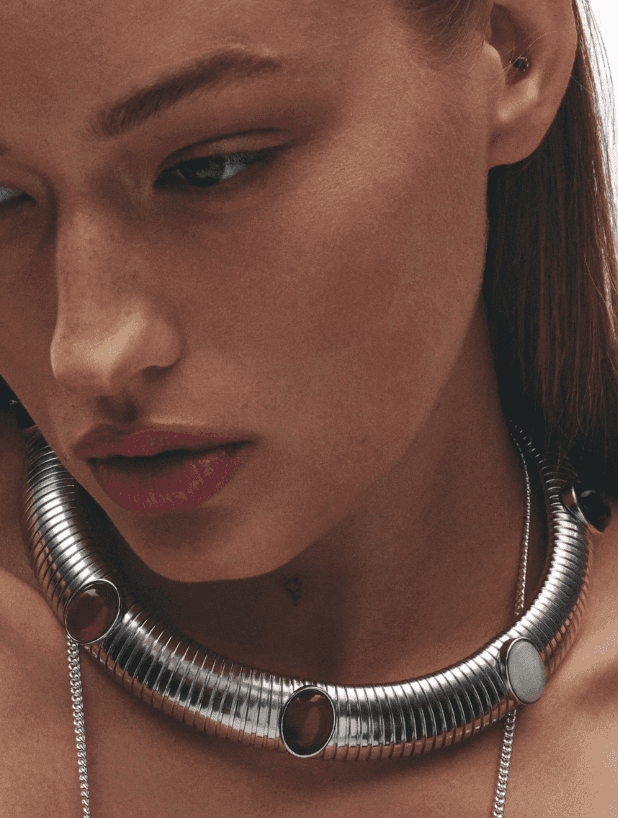
Higher AOVs, storytelling, and trust present particular difficulties for jewellery manufacturers. The best fashion marketing agency for jewelry brands strikes a mix between credibility-driven creative that gradually boosts confidence and performance marketing.
For luxury fashion brands:
A completely new strategy is needed for luxury clothes marketing. To preserve brand equity, careful targeting, creative-led performance, and controlled scale are crucial.
The ideal luxury-focused agency knows when to stop scaling quickly.
Avoiding the wrong fashion agency is just as crucial as selecting the right one.
Agencies that segregate media buying from creative accountability, lack fashion-specific case studies, or rely on one-size-fits-all playbooks should be avoided. A fixation with clicks rather than income is another serious warning sign.
Instead of indicating strategic depth, these signs frequently point to superficial competence.
These enquiries show how an agency truly considers options:
The best fashion marketing agency like Veicolo responds with precision, organization, and practical experience without making exaggerated claims.
Sustainable growth in fashion is not built on isolated campaigns. Systems, creative systems, testing systems, and feedback loops that get better over time are the most important aspects.
The future of fashion marketing is being shaped by AI, automation, and performance creativity, so long-term thinkers are the ones who help the agency grow financially instead of chasing quick victories.
Choosing the right agency ultimately comes down to selecting a growth partner. Fashion is a business, not just a category, and the proper agency knows this. It integrates performance, analytics, and creativity into a unified growth engine.
Sustainable brands don't depend on generalists. They find the right fashion marketing agency that is aware of their industry, stage of development, and long-term goals. Because of this, specialized agencies like Veicolo have emerged as benchmarks for contemporary fashion labels, quietly establishing norms as opposed to adhering to trends.
1. What is the function of a fashion marketing agency?
Through performance marketing, creative planning, content creation, and brand positioning, a fashion marketing agency supports the expansion of fashion brands. It focuses on fashion-specific issues such as seasonal launches, creative fatigue, trend cycles, and conversion-driven storytelling, in contrast to generic agencies.
2. What distinguishes a digital agency from a real fashion marketing agency?
A genuine marketing agency for fashion brands is aware of issues unique to the fashion industry, such as buying psychology, seasonality, creative fatigue, and brand equity. They understand industry intricacies (DTC, luxury, jewellery), integrate performance marketing with creative planning, and prioritize revenue and growth metrics over vanity KPIs, in contrast to generic digital agencies. This is the difference between generalists and specialists.
3. How can I choose the best fashion marketing agency for my stage of business?
Match the strengths of the agency with your stage of growth. Startups require testing and speed. Systems and efficiency are essential for growing brands. Controlled growth and brand protection are essential for premium and established firms. The ideal fashion marketing firm for your company is one that knows where you are now and where you want to go.
4. How much does hiring a fashion marketing agency cost?
Things to consider:
These elements are more important than eye-catching presentations or large client logos.
5. What qualities should my brand search for in a agency?
Proven fashion case studies, robust creative testing frameworks, open performance reporting, and a long-term growth attitude are all characteristics of the top fashion marketing firm for your brand. It should be more than just a service provider, it should be a strategic partner.