ARTICLES
Category:
Performance Marketing

A marketing strategy that helps a clothing brand generate its first $500,000 in revenue may not be the same strategy that takes it from $5 million to $20 million. As a fashion business grows, its acquisition costs, customer expectations, marketing requirements, and operational challenges evolve.
Yet many founders make the mistake of replicating strategies from larger competitors without considering their own financial resources or business maturity.
Effective clothing brand marketing requires understanding which channels to prioritize, how much to invest, and when to expand your marketing team. Whether you are launching a direct-to-consumer (DTC) clothing business or scaling an established fashion label, knowing how to market a clothing brand at each revenue stage can help you make more profitable decisions.
How Should Clothing Brands Market at Different Revenue Stages?
Clothing brands should adjust their marketing strategies as revenue grows. Under $1M, prioritize organic content, creators, and paid testing. Between $1M and $5M, develop repeatable acquisition systems. From $5M to $20M, invest in retention and channel diversification. Beyond $20M, focus on omnichannel expansion, long-term brand equity, and sustainable business profitability.
Clothing Brand Marketing Under $1M: Build Demand Before Scaling Spend
At this stage, the objective is not to dominate every marketing channel. It is to understand who buys your products, why they buy them, and how much it costs to acquire those customers.
Focus on Channels That Validate Product-Market Fit
Early-stage clothing brands should prioritize channels that offer meaningful customer feedback without requiring substantial upfront investment.
Instagram and TikTok: Build product awareness through styling videos, outfit inspiration, and behind-the-scenes content.
Micro-influencers: Partner with creators whose audiences closely match your target customers.
Meta ads: Test product demand, messaging, and advertising creatives with controlled budgets.
Email marketing: Build a subscriber base and introduce essential welcome and abandoned cart flows.
Google Merchant Center: Increase product discoverability through eligible free product listings.
The most valuable clothing brand marketing ideas at this stage are those that generate customer insights alongside sales.
Budget and Team Structure
An illustrative marketing budget of 8-15% of annual revenue can provide a starting point, subject to available capital, margins, and profitability requirements.
A founder-led team supported by freelance creators, photographers, and paid media specialists may be more practical than building an entire marketing department.
Before increasing advertising expenditure, read our guide on Meta ads budgets for fashion brands to understand how spending decisions should align with business objectives.
Creative Ideas for Early-Stage Brands
If you are learning how to market a clothing brand without a substantial budget, focus on authentic product demonstrations, customer testimonials, founder-led storytelling, and creator try-on videos.
These clothing brand marketing ideas can help communicate product value while establishing a recognizable brand identity.
A Stage-by-Stage Marketing Roadmap for Clothing Brands in 2026
Market a clothing brand in 2026 by phasing channels around revenue stages, focusing on organic validation and email capture first, then scaling paid acquisition, retention, and search as unit economics prove out.
Pre-Launch & $0-$1k MRR: Organic Validation & List Building
Limit yourself to 2 core channels so you do not spread a small budget thin before proving product-market fit.
Short-form organic social (Instagram Reels & TikTok): Test hooks, fit, and styling organically to find winning content angles before putting ad dollars behind them.
Email foundation: Capture early interest and first-time buyers with basic welcome and checkout flows.
$1k-$10k MRR: Paid Amplification & Core Retention Flows
Expand to 3-4 channels once you know which products and angles convert organically.
Paid social ads (Meta): Use ads as a multiplier on proven organic posts and offers, tracking break-even ROAS, contribution margin, and affordable CAC.
Automated email & SMS flows: Build 4-5 core automated flows (welcome, abandoned cart, post-purchase) to drive 25-35% of total revenue rather than relying solely on one-off campaigns.
Micro-influencers & UGC: Partner with creators matching your target buyer for authentic styling and user-generated content you can repurpose in ads. For broader channel ideas and automation benchmarks.
$10k-$50k MRR: Search Visibility, Retention & Experiential Touchpoints
Scale to 5-6 channels focused on compounding demand and repeat purchase rate.
SEO & AI search optimization: Optimize product pages and clear editorial content so shoppers and AI search tools surface and cite your brand.
Google Shopping / PPC: Capture high-intent buyers searching for specific garments or styles.
Repeat-purchase & loyalty systems: Invest in post-purchase touchpoints, VIP perks, and CRM segmentation to turn first-time buyers into repeat customers. The Fashion Business Coach highlights retention and AI search visibility as major 2026 priorities.
Pop-ups & live activations: Run local pop-ups or live drops to generate content, test sizing in person, and grow your owned list. Printify also outlines practical ways to pair 90-day channel plans with offline events and margin tracking.
$50k+ MRR: Multi-Channel Attribution & Profit Discipline
Blended & third-party attribution: Evaluate channel performance using blended CAC, contribution margin, and third-party attribution rather than platform-reported ROAS alone.
Channel profitability audits: Audit eCommerce, TikTok Shop, and wholesale accounts individually so high-maintenance or low-margin channels do not drain cash flow.
How Much Should Clothing Brands Spend on Marketing at Each Revenue Stage?
There is no universal marketing budget that guarantees profitable growth. Appropriate spending depends on product margins, customer acquisition costs, cash flow, inventory, and business objectives.
The following table provides an illustrative planning framework for DTC fashion businesses.
Annual Revenue | Marketing Budget (% of Revenue) | Priority Channels | Team Structure |
Under $1M | 8-15% | Organic social, creators, Meta ads | Founder and freelancers |
1M–5M | 10-18% | Meta, Google, email, influencers | Small internal team and specialists |
5M–20M | 10-20% | Multichannel acquisition, retention, SEO | Dedicated growth and creative teams |
Above $20M | 8-18% | Omnichannel, brand building, performance media | Marketing leadership and specialist partners |
Recommended Marketing Budget Split by Stage
Beyond determining the total budget, brands must decide how to distribute available resources.
Marketing Activity | Under $1M | 1M-5M | 5M-20M | $20M+ |
Paid advertising | 40% | 50% | 45% | 35% |
Creative production | 25% | 20% | 20% | 20% |
Influencer and creator marketing | 20% | 15% | 15% | 15% |
Email and retention | 10% | 10% | 15% | 15% |
Brand building, SEO, and other initiatives | 5% | 5% | 5% | 15% |
Total | 100% | 100% | 100% | 100% |
These percentages are illustrative planning recommendations, not verified industry benchmarks. Actual allocations should reflect business economics, marketing expense definitions, and growth targets.
A clothing brand marketing budget should remain flexible. If retention delivers stronger incremental profitability than paid acquisition, reallocating resources toward existing customers may be more effective than increasing advertising spend.
Common Marketing Mistakes at Every Revenue Stage
Even promising fashion businesses can struggle when their marketing decisions fail to reflect their current growth stage.
Revenue Stage | Common Mistake | Recommended Solution |
Under $1M | Advertising before validating product demand | Test products, audiences, and messaging |
1M-5M | Scaling spend without consistent creative testing | Establish repeatable acquisition processes |
5M-20M | Depending heavily on one advertising platform | Diversify channels and strengthen retention |
Above $20M | Operating brand and performance teams independently | Align teams around shared commercial objectives |
Another common mistake is implementing clothing brand marketing ideas simply because competitors are using them.
For example, an established luxury brand may benefit from a large-scale editorial campaign, while an emerging apparel business may generate greater immediate value from creator videos and product demonstrations.
Understanding how to market a clothing brand involves recognizing which opportunities deserve investment now and which should be introduced later.
When Should a Clothing Brand Work With a Specialized Marketing Agency?
As a fashion business grows, marketing requirements can quickly exceed the capabilities of its internal team.
Working with a specialized agency may be beneficial when customer acquisition costs continue rising, creative production becomes inconsistent, advertising performance stagnates, or internal teams struggle to identify new growth opportunities.
We bring together performance marketing, creative strategy, and financial analysis to help fashion and luxury businesses pursue more efficient growth.
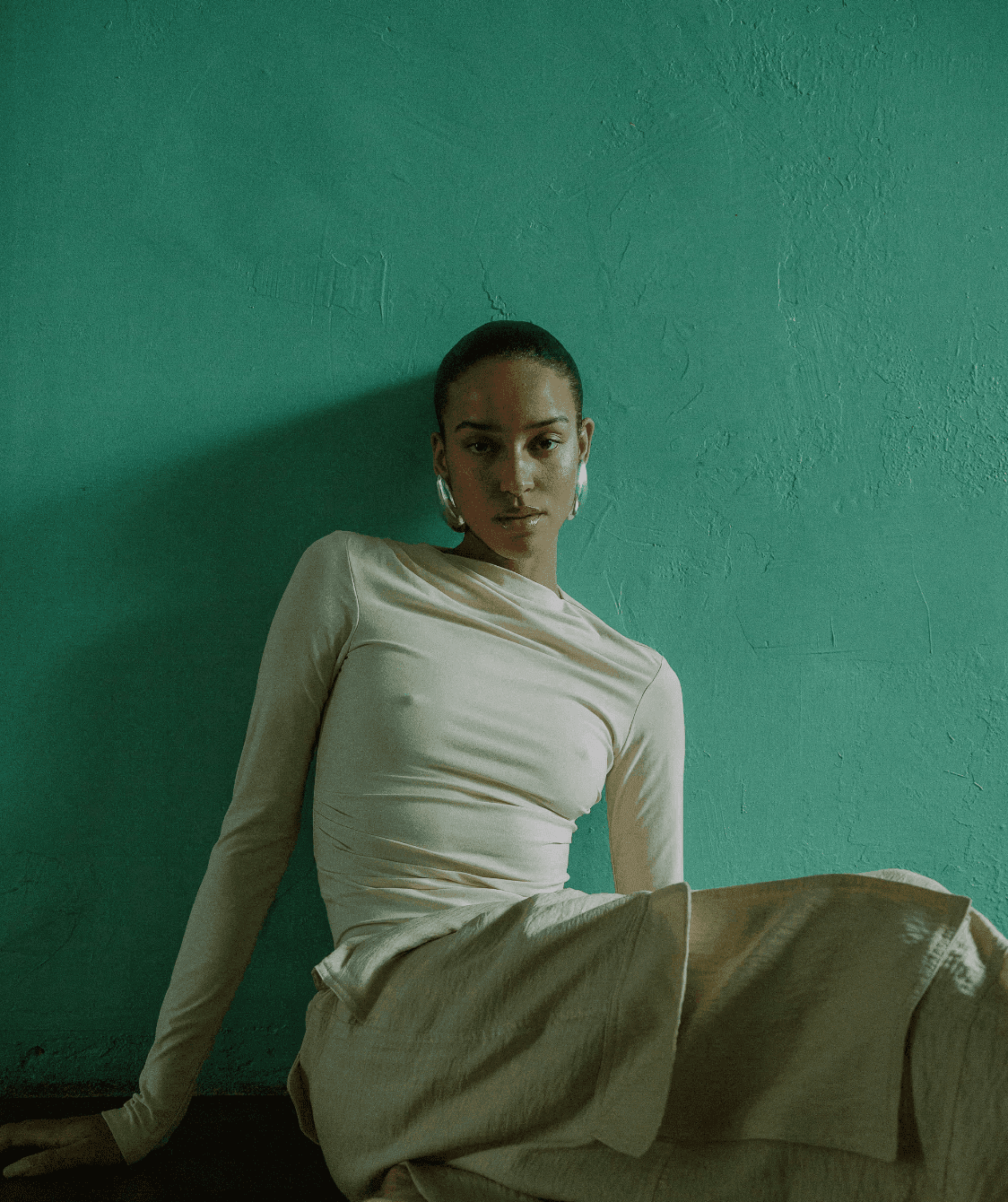
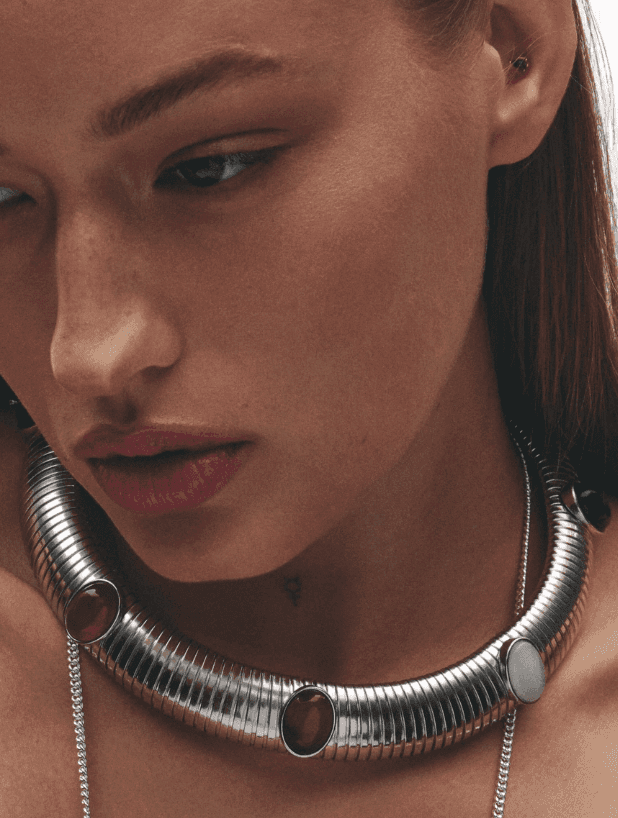
Case Study: How We Helped Maygel Coronel Strengthen DTC Performance
Maygel Coronel, a luxury Colombian fashion brand, wanted to improve its direct-to-consumer performance while maintaining positive cash flow.
Our approach focused on identifying hero products, developing financial projections, testing advertising creatives, and optimizing media expenditure.
According to our published Maygel Coronel case study, the engagement achieved the following results:
Performance Metric | Reported Result |
Month-over-month revenue growth | 304% |
Return on ad spend | 4.88× |
Customer acquisition cost reduction | 23% |
These results demonstrate how aligning creative development, advertising expenditure, and financial objectives can support fashion ecommerce growth. They reflect this specific engagement rather than guaranteed outcomes for every brand.
Through our performance creative strategy services and paid media advertising services, we help businesses develop marketing systems aligned with their commercial priorities.
Conclusion
Successful clothing brand marketing is not about investing in every available channel. It is about identifying the right opportunities at the right stage of business growth. Emerging brands should prioritize product validation and customer acquisition, while established businesses need structured creative systems, retention strategies, channel diversification, and stronger financial oversight.
At Veicolo, we help fashion brands turn marketing investments into measurable commercial outcomes. By combining performance advertising, creative testing, and data-driven optimization, we develop strategies that evolve alongside your business and support sustainable, profitable growth.
Frequently Asked Questions
1. What Is the Best Marketing Channel for a New Clothing Brand?
Instagram, TikTok, and creator partnerships can build initial awareness, while focused Meta advertising tests help validate demand. The best channel depends on audience behavior and margins.
2. How to Market a Clothing Brand With a Limited Budget?
Start with organic social content, micro-influencer collaborations, email capture, and customer-generated content. Test paid advertising only after identifying products and messages that generate meaningful customer interest.
3. How Much Should a Clothing Brand Spend on Marketing?
Marketing budgets depend on revenue, margins, cash flow, and growth objectives. Businesses should evaluate customer acquisition costs and contribution margins before committing to larger marketing investments.
4. What Are the Best Clothing Brand Marketing Ideas for Increasing Repeat Purchases?
Personalized email campaigns, loyalty benefits, styling recommendations, early product access, and thoughtful post-purchase communications can encourage repeat orders while strengthening customer relationships and long-term brand loyalty.
5. When Should a Clothing Brand Hire a Marketing Agency?
Consider an agency when internal capabilities limit campaign performance, creative production, or profitable scaling. Specialized support should deliver measurable improvements that justify its cost and complexity.
Featured Case Study

304 %
Scaled Revenue MoM

4x ROAS
consistently over 6 months

125 %
YoY Meta Spend Growth


304 %
Scaled Revenue MoM
OUR APPROACH
Turning Performance Data
Into Profit Clarity
1. Profit-First Measurement
We start where most growth strategies stop: profit. Campaigns, channels, and products are evaluated against margin, contribution, and cash flow—not surface metrics.
2. Marketing Connected to the P&L
Performance data only matters when it maps to financial reality. We align ad spend, customer acquisition, inventory, and lifecycle value into a single decision-making system.
3. Continuous Financial Optimization
Growth isn’t a one-time model. We monitor performance as conditions change—traffic mix, demand, costs—so decisions stay profitable as you scale.




Want to get similar results?