ARTICLES
Category:
Paid Ads Strategy
Instagram remains the most important paid channel for fashion brands—but it’s also where most brands lose the plot.
Despite pouring money into content, creators, and media buying, many fashion brands struggle to scale Instagram profitably without eroding brand equity. ROAS spikes briefly, then collapses. Creative feels trendy but disposable. Performance teams chase metrics that don’t translate into long-term growth.
The issue isn’t the platform.
It’s how Instagram Ads for Fashion Brands are fundamentally misunderstood.
Fashion advertising doesn’t operate like traditional direct-response ecommerce. It’s not utility-driven. It’s identity-driven. And when brands ignore that distinction, Instagram ads become a race to the bottom.
This article breaks down how fashion brands should actually approach Instagram ads—through the lens of brand, performance, and business reality.
Why Instagram Ads Are Different for Fashion Brands
Fashion is not a problem-solution category. No one buys a jacket because it loads faster or a shoe because it reduces friction. They buy because of what it represents.
This is why Instagram Ads for Fashion Brands behave differently than ads for supplements, gadgets, or SaaS.
Instagram is a social environment. People aren’t there to solve problems—they’re there to observe, compare, and associate. Fashion lives in that same social layer. It’s consumed visually, emotionally, and subconsciously.
That means:
Visual language matters more than copy
Representation matters more than features
Context matters more than offers
When brands force direct-response logic onto a brand-driven category, performance eventually collapses. You can only discount identity so many times before it loses meaning.
The Core Mistake: Treating Instagram Like a Conversion Machine
Most fashion brands approach Instagram ads with the same playbook:
Find creators
Add hooks
Push urgency
Optimize for short-term ROAS
This works—briefly.
But for Instagram Ads for Fashion Brands, this approach creates three long-term problems:
Creative burnout
Ads stop working faster because they’re trend-dependent, not brand-dependent.Audience degradation
You attract price-sensitive buyers instead of brand-aligned customers.Brand erosion
The brand becomes associated with tactics instead of identity.
Performance marketing doesn’t fail fashion brands.
Unbranded performance marketing does.
Fashion Is a Brand-First Performance Channel
The strongest fashion advertisers don’t separate brand and performance. They understand that performance is downstream from brand clarity.
This means Instagram ads should:
Reinforce who the brand is
Signal status, taste, or belonging
Build recognition before pushing conversion
For Instagram Ads for Fashion Brands, performance is a byproduct of consistency—not cleverness.
This is why heritage and luxury brands can run visually simple ads and still outperform highly produced “UGC-style” competitors. They’ve already won the identity layer.
Emerging brands must build that layer deliberately.
The Role of Creative in Fashion Instagram Ads
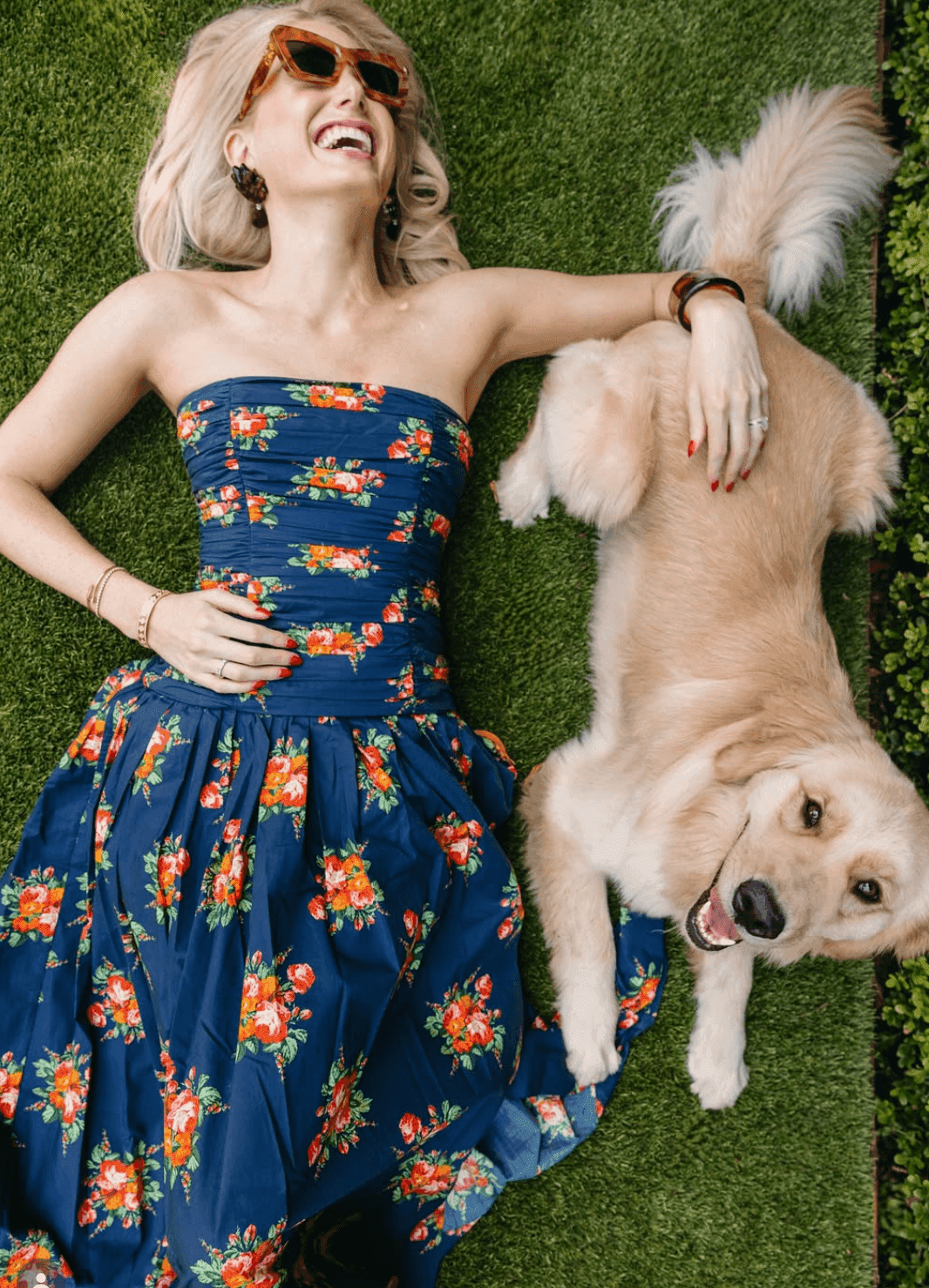
Creative is not decoration. It is the strategy.
In fashion, creative communicates:
Who this brand is for
Who it is not for
What social identity it represents
This is why copy-heavy, feature-focused ads underperform at scale. They ask the customer to think instead of feel.
High-performing Instagram Ads for Fashion Brands prioritize:
Model selection and casting
Styling and silhouette
Environment and setting
Mood, pacing, and restraint
The product doesn’t need to be explained.
It needs to be placed correctly in a social context the customer wants to belong to.
Why Trend-Chasing Kills Long-Term Performance
Trends feel like momentum, but they’re usually debt.
ASMR, meme formats, rapid cuts, exaggerated hooks—these can generate engagement, but they rarely build durable demand. Once the trend passes, the creative collapses with it.
Fashion brands that over-rotate on trends face a constant treadmill:
More content
Shorter shelf life
Rising acquisition costs
Instead, winning Instagram Ads for Fashion Brands rely on a creative system—not viral moments.
That system answers:
What does our customer want to be associated with?
What visuals consistently signal that identity?
What variations can we test within those boundaries?
Testing without a framework is not strategy—it’s gambling.
Structuring Instagram Ads Around How Fashion Is Bought
Another critical mistake fashion brands make is structuring ad accounts like generic funnels.
Fashion customers don’t move linearly from awareness to conversion. They oscillate:
They see
They save
They revisit
They wait
They buy later
Effective Instagram Ads for Fashion Brands account for this behavior by separating:
Brand reinforcement
Demand creation
Demand capture
This means:
Not every ad needs to convert
Not every campaign needs ROAS
Not every product needs paid support
Hero products anchor acquisition.
Collections support brand depth.
Drops create narrative—not dependency.
Why Business Reality Must Shape Instagram Strategy
Fashion marketing cannot be divorced from operations.
Inventory, margins, seasonality, and production capacity all determine how aggressively you should advertise—not how aggressively you can.
Brands that scale irresponsibly through Instagram often face:
Stockouts
Cash flow strain
Margin compression
Forced discounting
Strong Instagram Ads for Fashion Brands are built backward from the business:
What can we sell profitably?
What products should lead acquisition?
When should we scale—and when should we protect?
Marketing amplifies what exists. It cannot fix structural issues.
By the time fashion brands realize their Instagram ads aren’t working anymore, the damage is usually already done.
CPMs rise. Creative fatigue accelerates. Customers churn faster than expected. The instinct is to test harder, post more, and spend smarter—but the real issue is usually upstream.
The brands that scale Instagram Ads for Fashion Brands sustainably don’t win by optimization alone. They win by alignment.
Performance Creative vs Direct-Response Creative
One of the biggest misconceptions in fashion marketing is that performance creative must look like direct-response creative.
It doesn’t.
Performance creative for fashion is not about louder hooks or faster cuts. It’s about clarity, repetition, and emotional recognition.
High-performing Instagram Ads for Fashion Brands often share these traits:
Minimal copy
Consistent visual language
Repeated themes and silhouettes
Subtle variation, not reinvention
The goal isn’t to convince—it’s to familiarize.
When customers recognize a brand before reading the name, performance improves automatically. CAC drops. Retention rises. ROAS stabilizes.
Testing the Right Things (And Ignoring the Wrong Ones)
Most brands test the wrong variables:
Formats instead of meaning
Creators instead of representation
Hooks instead of identity
Effective testing for Instagram Ads for Fashion Brands focuses on:
Who is wearing the product
In what context
Communicating what kind of life
This is often called the “muse” approach—defining the person the brand is speaking through, not just selling to.
Once that muse is clear, testing becomes refinement instead of chaos.
Scaling Without Killing Efficiency
Fashion cannot scale infinitely or linearly. Unlike digital products, physical constraints matter.
Brands that scale Instagram ads responsibly:
Increase spend in alignment with inventory cycles
Accept periods of stability instead of constant growth
Protect margin during low-intent seasons
Push harder when demand is naturally high
For Instagram Ads for Fashion Brands, restraint is a growth lever.
Scaling isn’t about spending more.
It’s about spending at the right moments.
When to Work With a Fashion Marketing Agency
At a certain point, execution stops being the bottleneck—strategy becomes the constraint.
This is where a specialized fashion marketing agency matters.
Fashion brands often outgrow:
Generalist media buyers
Creator-only agencies
Growth teams without brand fluency
A true fashion marketing agency understands:
Creative direction and paid media together
Financial realities of fashion businesses
Seasonality, drops, and hero-product dynamics
How brand equity affects long-term CAC
Instagram ads don’t fail because teams work too little.
They fail because teams work in silos.
Instagram Ads Are a Brand Decision
The biggest takeaway is simple:
Instagram Ads for Fashion Brands are not just a marketing channel—they’re a brand decision.
Every ad teaches the market what your brand stands for.
Every creative choice compounds—positively or negatively.
Every shortcut shows up later in higher costs.
The brands that win on Instagram don’t chase trends, creators, or hacks.
They build systems rooted in identity, business reality, and creative discipline.
Performance follows clarity.
Final Thought
If Instagram ads feel harder than they should, it’s usually not a platform problem—it’s a positioning problem.
Fashion brands that treat Instagram as a brand-building performance engine, rather than a conversion faucet, are the ones that scale profitably and endure.
And that’s exactly where having the right performance creative partner changes everything—helping you go beyond just running ads to actually building a fashion brand.
Featured Case Study

304 %
Scaled Revenue MoM

4x ROAS
consistently over 6 months

125 %
YoY Meta Spend Growth


304 %
Scaled Revenue MoM
OUR APPROACH
Turning Performance Data
Into Profit Clarity
1. Profit-First Measurement
We start where most growth strategies stop: profit. Campaigns, channels, and products are evaluated against margin, contribution, and cash flow—not surface metrics.
2. Marketing Connected to the P&L
Performance data only matters when it maps to financial reality. We align ad spend, customer acquisition, inventory, and lifecycle value into a single decision-making system.
3. Continuous Financial Optimization
Growth isn’t a one-time model. We monitor performance as conditions change—traffic mix, demand, costs—so decisions stay profitable as you scale.




Want to get similar results?
Our Impact,
By The Numbers
RELATED ARTICLES