ARTICLES
Category:
Ads, Creative, Content, and Branding
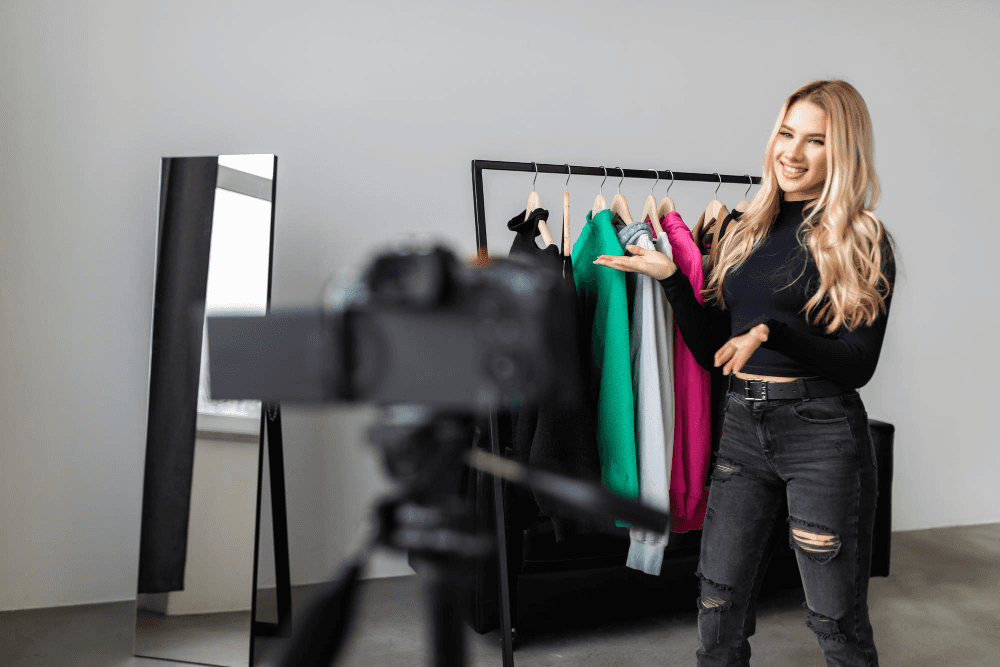
Performance marketing for fashion brands is fundamentally different from performance marketing in most other industries. Fashion operates in a world shaped by rapidly changing trends, seasonal demand, emotional pull, and constantly shifting inventory. In contrast, industries such as SaaS, finance, and professional services often work with more predictable demand patterns and relatively stable offers. This difference is why generic performance marketing strategies often fail to deliver sustainable growth for fashion brands.
To succeed, fashion brands need a more specialized approach—one that combines creative-first marketing, SKU-level performance data, and a deep understanding of margins, inventory, customer behavior, and consumer psychology. Every campaign must account for what is selling, what is trending, what needs to move, and how creative influences purchasing decisions.
In this guide, we’ll explore why performance marketing for fashion brands works differently, the common mistakes that limit growth, and how specialized fashion marketing agencies build profitable, scalable strategies designed for long-term success.
Short Answer
Performance marketing for fashion brands requires a specialized, creative-first approach that accounts for trends, SKU-level data, inventory, margins, and changing consumer behavior. Sustainable growth comes from connecting creative, paid media, website optimization, and profitability—not simply increasing ad spend.
Why Performance Marketing Looks Different in Fashion
Fashion brands cannot use performance marketing in the same manner as traditional performance marketing. The demand for fashion is unstable. Consumer preferences change overnight, trends change swiftly, and what was effective last month could already seem out of date today. Fashion performance marketing becomes far more intricate and dynamic as a result.
The speed of trend cycles is one of the largest disparities. New collections, styles, colors, and SKUs are continuously introduced by fashion brands. Since every product has a finite shelf life, advertisements must be effective before their relevance wanes. This results in increased testing requirements, a need for continuous iteration, and a quicker rate of creative fatigue.
The complexity of SKUs presents another difficulty. Fashion companies oversee dozens or even hundreds of SKUs, each with distinct margins, demand curves, and stock levels, in contrast to single-product brands. Because they overlook this intricacy, plug-and-play performance marketing techniques fall short. One-size-fits-all cannot accommodate inventory fluctuations, seasonal demand, and product profitability.
Because of this, performance marketing for fashion brands necessitates the development of unique strategies tailored to the unique dynamics of the industry rather than generic frameworks taken from other sectors.
The Core Problems Fashion Brands Face with Standard Performance Marketing
When most fashion brands rely on traditional performance marketing strategies, they face similar challenges. The most typical challenges include rising customer acquisition costs (CAC) and falling ad spend returns. Without effective fashion ROAS (Return on Ad Spend) optimization, brands frequently spend more to retain the same revenue levels.
Another major concern is creative burnout. Meta ads for fashion brands and Google ads for fashion e-commerce focus primarily on imagery, storytelling, and lifestyle appeal. When brands keep pushing the same creatives, performance suffers quickly. Ad accounts stagnate when there is no apparent performance creative as a growth lever.
Another mistake is prioritizing revenue above profit. Many brands aim for high ROAS without taking into account product margins, discounts, returns, and logistical costs. This provides the illusion of expansion as profits dwindle.
Inventory blindness also impedes scaling attempts. Scaling ads without inventory awareness results in wasted money on out-of-stock items or low-margin SKUs. These fashion marketing challenges show why traditional performance techniques frequently fail and why specialized solutions are required for long-term success.
What Fashion Performance Marketing Agencies Do Differently
A true fashion performance marketing agency like Veicolo tackles growth differently than generalist agencies. Instead of starting with platforms such as Meta or Google, they start with the category. This category-first approach enables agencies to link their media strategies with fashion-specific purchasing behaviour, seasonality, and demand trends.
Fashion-focused agencies also use SKU-specific and margin-aware media buys. Rather than promoting every product equally, they emphasize high-margin, high-demand SKUs while selectively supporting hero items that influence brand perception. This is a key component of successful fashion growth marketing.
Another notable distinction is creative-led scaling. Instead of continuously tuning audiences or relying on platform hacks, fashion companies concentrate on building strong creative systems. New creatives enable algorithms to perform better and reach new scales without sacrificing efficiency.
This strategy is followed by agencies such as Veicolo, which combine deep fashion understanding with performance data to ensure campaigns are created for size and sustainability rather than short-term victories.
Performance Creative: The Real Engine of Fashion Growth
In fashion brand performance marketing, creativity is not just crucial; it is the major development driver. Industry studies regularly demonstrate that creative accounts for more than 70% of campaign performance in fashion advertising. Even the strongest media buying techniques fail in the absence of performance creative for fashion.
Fashion ad designers must convey emotion, aspiration, and function in seconds. UGC content, founder-led storytelling, lifestyle graphics, and real-world styling frequently beat sophisticated studio photographs because they appear more authentic and relatable. However, studio programming continues to play an important role in enhancing brand perception and premium appeal.
Winning brands have a disciplined creative testing strategy. This entails testing hooks, formats, messaging angles, and images on a continuous basis. A dedicated performance creative agency attitude means that creative output is never a bottleneck.
Fashion brands who handle creative as an ongoing system rather than a one-time activity may regularly update advertising, prevent weariness, and sustain great channel performance.
Paid Media Strategies That Actually Scale Fashion Brands
A strong fashion paid media strategy recognizes the importance of each channel in the funnel. Meta ads for fashion brands are effective at discovery, demand creation, and retargeting because of visual storytelling. Google Ads for fashion e-commerce targets high-intent shoppers who are actively looking for products. TikTok encourages trend-driven discovery and virality, particularly among youthful viewers.
Modern performance marketing for fashion brands focuses on broad targeting and excellent creatives rather than excessive audience layering. Platforms have improved their ability to discover the proper people, but only when provided with a sufficient number of innovative signals.
Scaling without killing ROAS necessitates rigorous testing, controlled budget increases, and constant monitoring of creative performance. Simply increasing budgets without renewing advertising results in rapid efficiency decreases. Successful brands saw Meta ads for fashion brands as a creative game first and a bidding game second.
Shopify and Website Optimization: The Hidden Multiplier
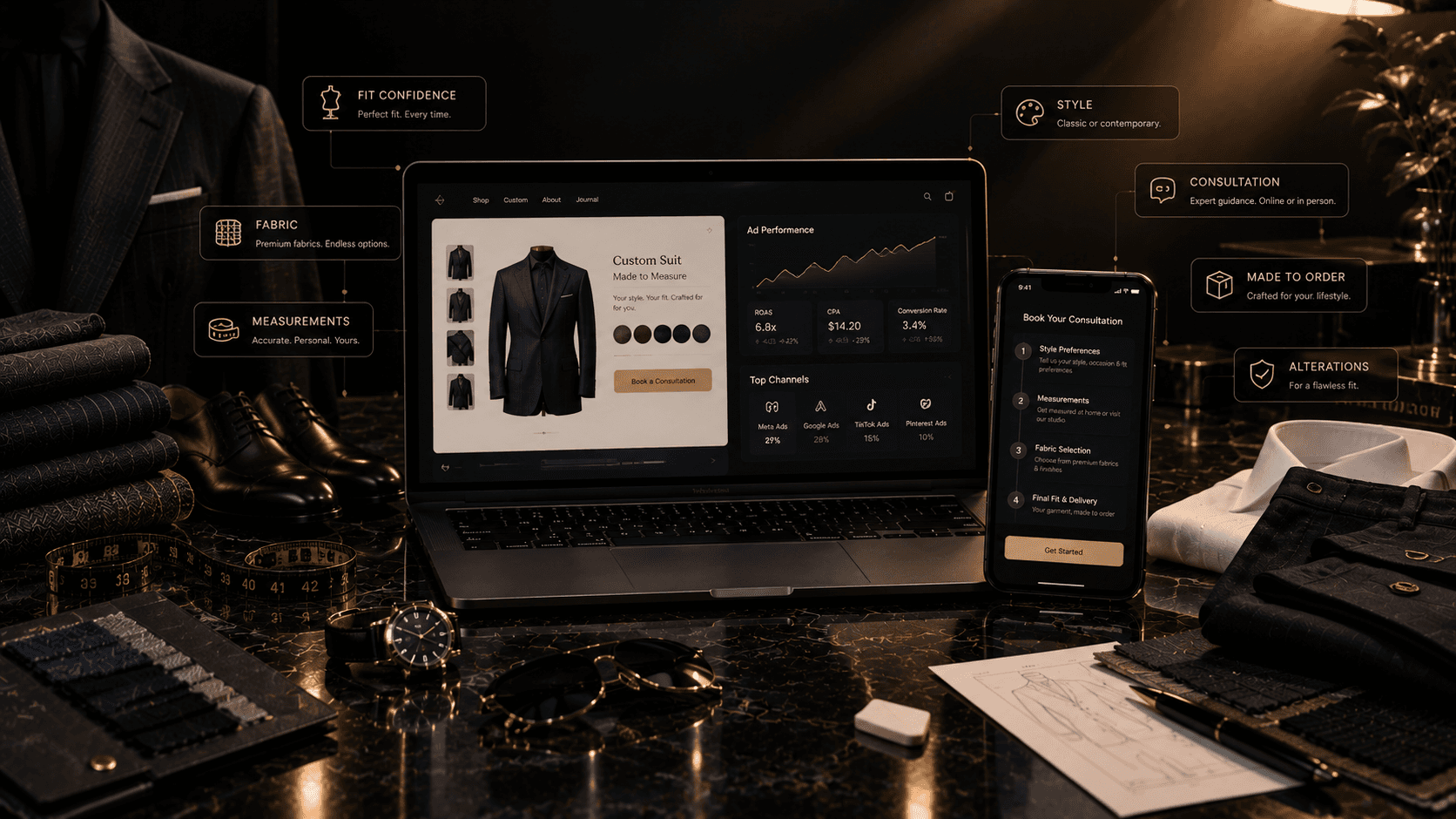
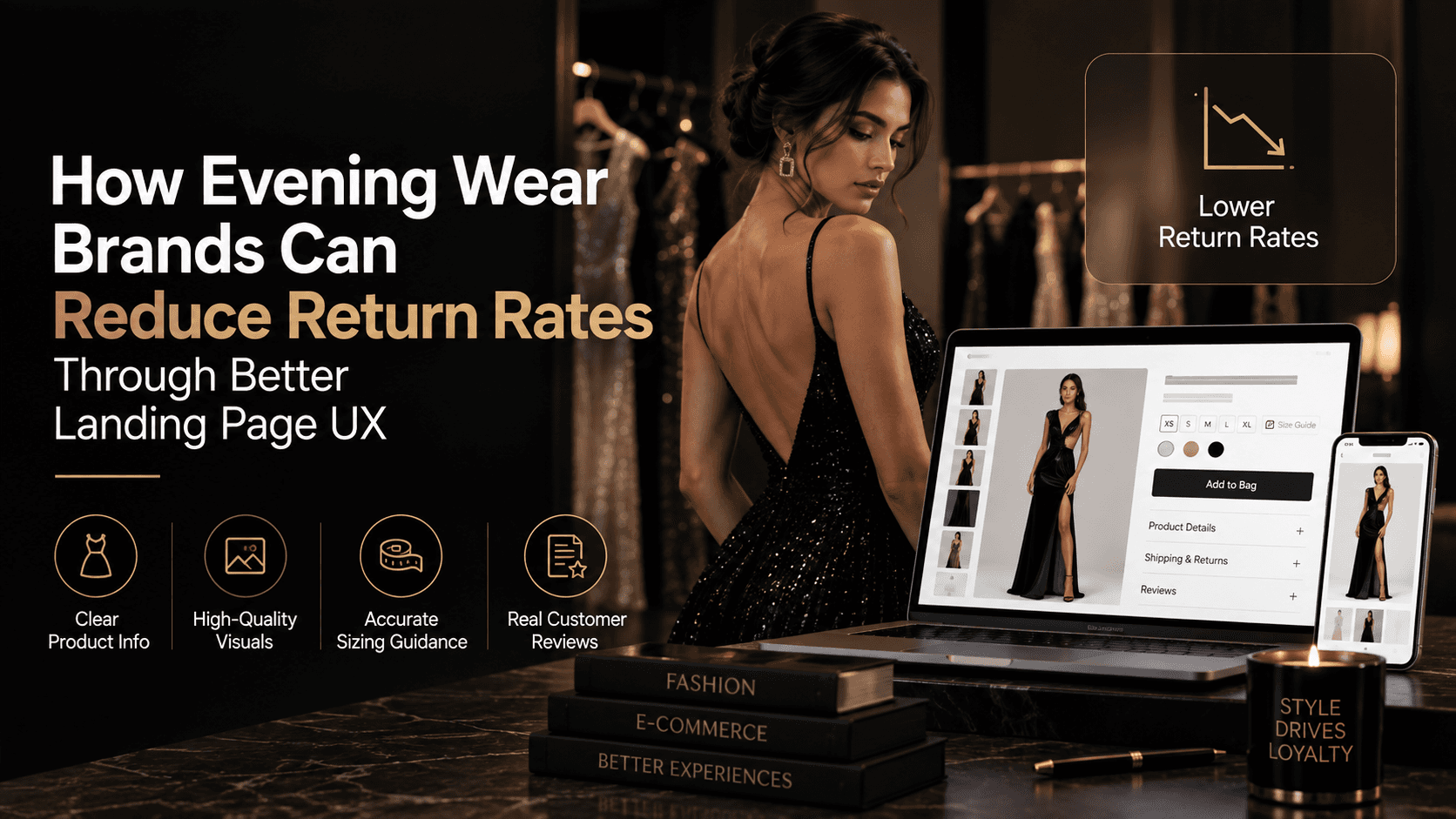
Even the best advertisements will fail if the website experience is inadequate. This is why a Shopify fashion marketing agency prioritizes conversion rate optimization. Product detail pages (PDPs) must properly express value, sizing, content, and social evidence in order to eliminate friction.
Speed and mobile experience are crucial. Fashion customers primarily browse on mobile devices, and poor load times or cluttered designs have a direct impact on conversion rates. Trust signals like reviews, refund policies, and secure checkout badges all play an important role in purchasing decisions.
Ads must be aligned with the onsite experience. Conversion rates increase dramatically when the messaging in advertising matches what people see on landing sites. A true fashion marketing agency guarantees that paid advertising and website optimization operate together rather than separately.
ROAS Isn’t Profit: Why Finance-Led Performance Matters
Many fashion brands focus on ROAS without recognizing its limitations. While ROAS assesses revenue efficiency, it does not consider margins, fulfillment costs, returns, or cash flow timing. This makes it a deceptive indicator when employed alone in fashion marketing profitability research.
High ROAS campaigns may nevertheless lose money if the products have low margins or high return rates. This is why advanced fashion ROAS optimization prioritizes contribution margin over surface-level performance measures.
Top agencies directly correlate ad performance with inventory levels, profitability, and financial health. They evaluate the impact of ad expenditure on cash flow and verify that scaling decisions are in line with business realities. Thinking beyond the ad dashboard and recognizing genuine ROAS impact distinguishes mature fashion brands from failing ones.
When Fashion Brands Should Partner with a Performance Marketing Agency?
Not every brand needs an agency from the start, but there is obvious evidence that working with a performance marketing agency for fashion brands makes sense. Scaling Shopify brands frequently encounter plateaus when internal teams lack the skills or bandwidth to push development even further.
Brands that have hit ROAS ceilings despite testing various creatives and audiences benefit from external perspectives and improved processes. Agencies provide standardized testing, creative pipelines, and financial discipline that internal teams may find difficult to develop on their own.
When growth objectives expand, and profitability becomes crucial, a specialized agency can assist in navigating complexity and unlocking long-term scale.
How to Choose the Right Performance Marketing Agency for Fashion
Selecting the best fashion performance marketing agency entails more than just examining case studies. Brands should prioritize proven fashion experience over generic e-commerce performance. Fashion-specific difficulties necessitate industry awareness.
Strong creative ability is required. Agencies must demonstrate a well-defined process for creating and evaluating performance creatives on a large scale. Financial awareness is also important; agencies should be able to clearly discuss costs, contribution profits, and inventory planning.
Transparent reporting increases trust. Brands should understand how decisions are made and how performance is evaluated beyond vanity metrics.
Why Veicolo’s Approach to Fashion Performance Marketing Is Different
Veicolo is itself a fashion performance marketing agency due to its sole emphasis on fashion & lifestyle brands. Rather than using generic growth strategies, our team develops strategies tailored to the reality of fashion e-commerce.
Our methodology blends performance creative with financial alignment, ensuring that ads drive profitable growth rather than merely sales. We know how advertising buying, creative, and onsite optimization all work together to scale sustainably.
Veicolo assists brands in moving beyond short-term victories and developing long-term performance engines powered by creativity, analytics, and focused execution.
Partner with a fashion-first performance marketing agency that understands creative, margins, and Shopify growth.
Key Takeaways
Fashion needs a specialized strategy: Rapid trends, seasonal demand, shifting inventory, and SKU complexity make generic performance marketing less effective.
Creative is a major growth lever: Continuous testing of hooks, formats, messaging, and imagery helps combat creative fatigue and maintain performance.
Use SKU- and margin-aware marketing: Campaigns should account for product demand, margins, inventory levels, and profitability.
Choose channels based on intent: Meta supports discovery and retargeting, Google captures high-intent demand, and TikTok supports trend-driven discovery.
ROAS isn't the whole picture: Contribution margin, returns, fulfillment costs, and cash flow are essential for measuring true profitability.
Website experience matters: Fast, mobile-friendly PDPs with strong product information, reviews, and trust signals can significantly improve conversion performance.
Specialized agencies add value: Brands facing growth plateaus or creative and operational complexity can benefit from structured testing, creative pipelines, and financial discipline.
Key Takeaways
Fashion needs a specialized strategy: Rapid trends, seasonal demand, shifting inventory, and SKU complexity make generic performance marketing less effective.
Creative is a major growth lever: Continuous testing of hooks, formats, messaging, and imagery helps combat creative fatigue and maintain performance.
Use SKU- and margin-aware marketing: Campaigns should account for product demand, margins, inventory levels, and profitability.
Choose channels based on intent: Meta supports discovery and retargeting, Google captures high-intent demand, and TikTok supports trend-driven discovery.
ROAS isn't the whole picture: Contribution margin, returns, fulfillment costs, and cash flow are essential for measuring true profitability.
Website experience matters: Fast, mobile-friendly PDPs with strong product information, reviews, and trust signals can significantly improve conversion performance.
Specialized agencies add value: Brands facing growth plateaus or creative and operational complexity can benefit from structured testing, creative pipelines, and financial discipline.
Conclusion: Performance Marketing in Fashion Is a System, Not a Tactic
Fashion businesses' performance marketing is no longer just about airing ads and expecting algorithms to take care of the rest. Fashion success today necessitates a system that integrates creative, media buying, website experience, and financial realities into a unified performance engine. Brands that rely on formulaic performance strategies frequently face increased CAC, creative fatigue, and misleading ROAS figures that do not transfer into actual profitability.
The winning businesses recognize that fashion performance marketing is powered by creative momentum, SKU-level intelligence, and margin-conscious decision-making. Specialized agencies provide clarity by matching paid media with inventory, contribution margins, and long-term growth objectives. When done correctly, performance marketing for fashion brands becomes predictable, scalable, and profitable, transforming advertisements from a cost centre to a true growth driver.
FAQs
1. What is performance marketing for fashion brands?
Performance marketing for fashion brands focuses on delivering measurable results like sales and profit through paid media, creative experimentation, and data-driven optimization. It considers fashion-specific aspects such as trends, SKU complexity, inventory, and profits rather than relying on generic marketing campaigns.
2. How does performance marketing work differently for fashion brands?
Fashion purchases are emotive, trend-driven, and highly visual. Standard performance marketing is ineffective due to rapid creative fatigue, numerous product introductions, and changing margins. To be successful, fashion demands creative-led scaling and inventory-aware media buys.
3. How crucial is creativity in fashion performance marketing?
Creative is the single most important performance factor in fashion advertising. Fashion performance creative drives discovery, engagement, and conversion, and may frequently contribute more to overall campaign success than targeting or bidding methods.
4. Is ROAS a valid statistic for fashion brands?
ROAS alone can be misleading for fashion firms because it excludes margins, returns, logistics, and cash flow. High ROAS does not always imply profitability, which is why finance-driven performance marketing is critical.
5. When should a fashion brand hire a performance marketing agency?
Fashion brands should consider an agency when growth plateaus, ROAS stops improving, or internal teams struggle to scale creatives and manage complexity. A specialized agency brings systems, experience, and a profitability focus.
Featured Case Study


304 %
Scaled Revenue MoM

4x ROAS
consistently over 6 months

125 %
YoY Meta Spend Growth


304 %
Scaled Revenue MoM
OUR APPROACH
Turning Performance Data
Into Profit Clarity
1. Profit-First Measurement
We start where most growth strategies stop: profit. Campaigns, channels, and products are evaluated against margin, contribution, and cash flow—not surface metrics.
2. Marketing Connected to the P&L
Performance data only matters when it maps to financial reality. We align ad spend, customer acquisition, inventory, and lifecycle value into a single decision-making system.
3. Continuous Financial Optimization
Growth isn’t a one-time model. We monitor performance as conditions change—traffic mix, demand, costs—so decisions stay profitable as you scale.




Want to get similar results?
Our Impact,
By The Numbers
RELATED ARTICLES