ARTICLES
Category:
AI Fashion Photography
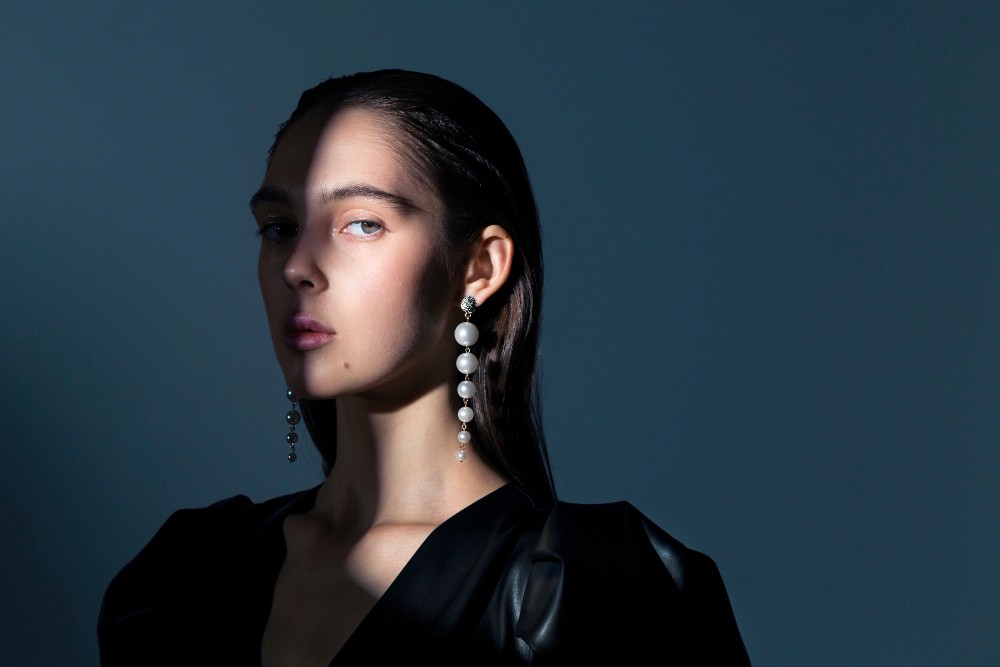
In jewelry ecommerce, visuals do more than showcase a product. They communicate trust, craftsmanship, and value. When a customer can’t feel the weight of gold or examine a gemstone in person, the image becomes the deciding factor.
As jewelry brands expand their catalogs and move faster across ecommerce and marketplaces, producing consistent, high-quality visuals becomes increasingly difficult. Traditional photoshoots, while effective for limited collections, struggle to support scale. This is where AI product photography for jewelry brands is redefining how visual content is created.
AI makes it possible to produce high-quality jewelry product images at scale, without compromising the luxury standards customers expect.
Why jewelry Brands Are Rethinking Product Photography
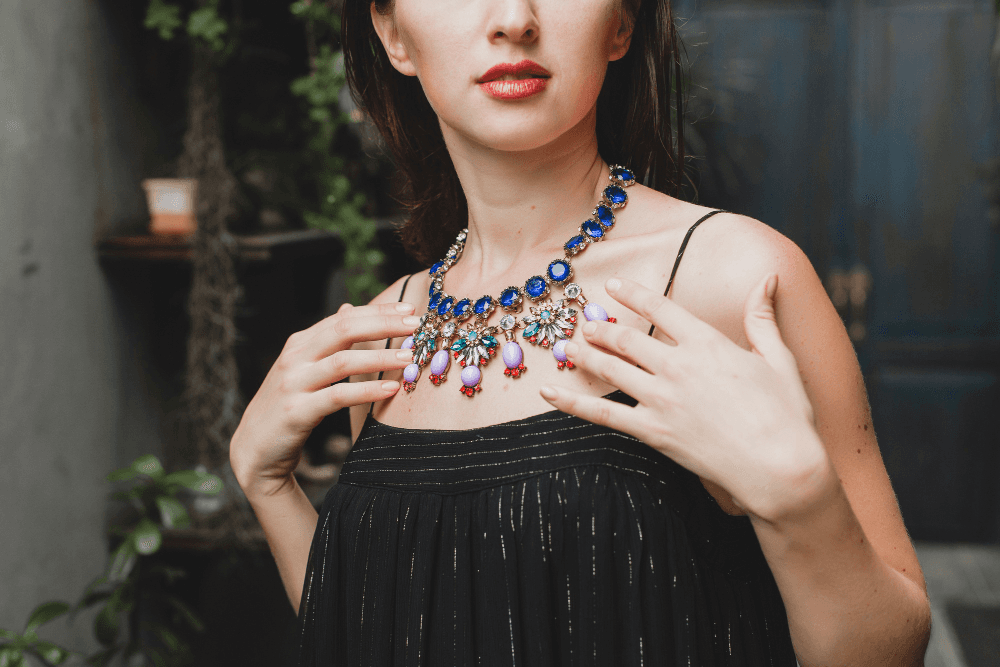
jewelry is one of the most complex categories to photograph. Every detail matters. The way light reflects on metal, how a diamond catches brilliance, or how shadows fall around a ring can influence buying decisions.
As brands grow, these challenges multiply. New collections, frequent drops, and marketplace expansion demand more images, faster turnaround times, and absolute consistency. Traditional jewelry ecommerce product photography often becomes a bottleneck, slowing launches and inflating costs.
What brands need today is not just better photography, but a scalable jewelry product photography system that supports growth.
The Limits of Traditional jewelry Photography
Conventional photoshoots are resource-heavy. Each product requires careful setup, multiple lighting tests, and extensive post-production. While this works for hero pieces or limited campaigns, it becomes inefficient when dealing with large inventories.
Turnaround time is another issue. Shoots must be scheduled, products shipped, and edits reviewed. By the time images are ready, market opportunities may already be missed.
Consistency is also difficult to maintain. Different shoots, photographers, or studios often lead to visible variations. For jewelry brands, even minor inconsistencies can weaken brand perception and trust.
These limitations have led many brands to explore jewelry product photography AI as a long-term solution rather than a short-term fix.
What Is AI jewelry Photography?
AI jewelry photography uses artificial intelligence to generate and enhance product images using existing product references. These references may include basic product photos, CAD designs, or visual guidelines provided by the brand.
Instead of photographing every product individually, AI models recreate jewelry visuals with precise control over lighting, angles, reflections, and backgrounds. The result is a library of AI-generated jewelry images that are consistent, realistic, and production-ready.
This approach allows brands to create images faster, reduce production costs, and maintain visual standards across all channels.
Achieving High-Quality jewelry Product Images with AI
Quality is non-negotiable in jewelry. AI systems designed for this category are trained to understand the unique visual behavior of metals and gemstones.
Gold tones remain accurate, diamonds retain brilliance, and reflections are controlled rather than exaggerated. This ensures the final output matches customer expectations and ecommerce requirements.
Another advantage is consistency. AI ensures that every product follows the same visual rules. Lighting, shadows, and framing remain uniform across SKUs, helping brands maintain consistent jewelry product visuals even as collections grow.
For ecommerce teams, this level of consistency reduces friction and improves customer confidence.
jewelry Visuals at Scale Without Compromise
Scaling visuals has traditionally meant compromising on quality or speed. AI changes that equation.
With automated jewelry product photography, brands can launch entire collections at once. Visuals can be adapted quickly for different platforms, whether it’s a brand website, a marketplace listing, or a paid campaign.
This scalability is especially valuable for jewelry brands managing frequent launches or international expansion. AI allows visuals to keep pace with business growth, rather than slowing it down.
AI Product Images for jewelry Brands in Ecommerce
Ecommerce success depends heavily on presentation. Clean, clear visuals help customers understand products and reduce uncertainty.
AI product images for jewelry brands are designed with ecommerce performance in mind. Images can be created in multiple formats, optimized for product detail pages, marketplaces, and digital catalogs.
For brands selling across platforms like Shopify, Amazon, or regional marketplaces, AI ensures visual consistency without requiring multiple shoots for each channel.
Beyond Product Pages: Expanding Creative Possibilities
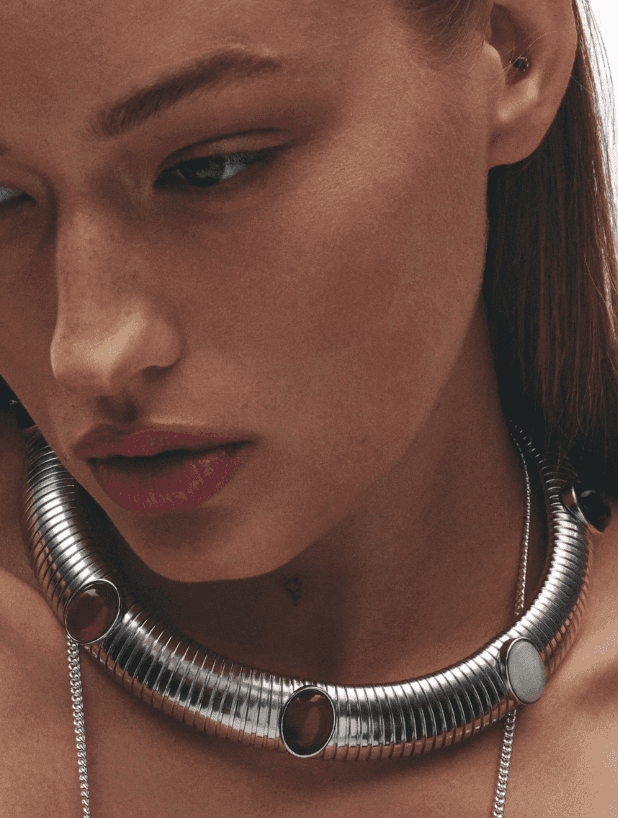
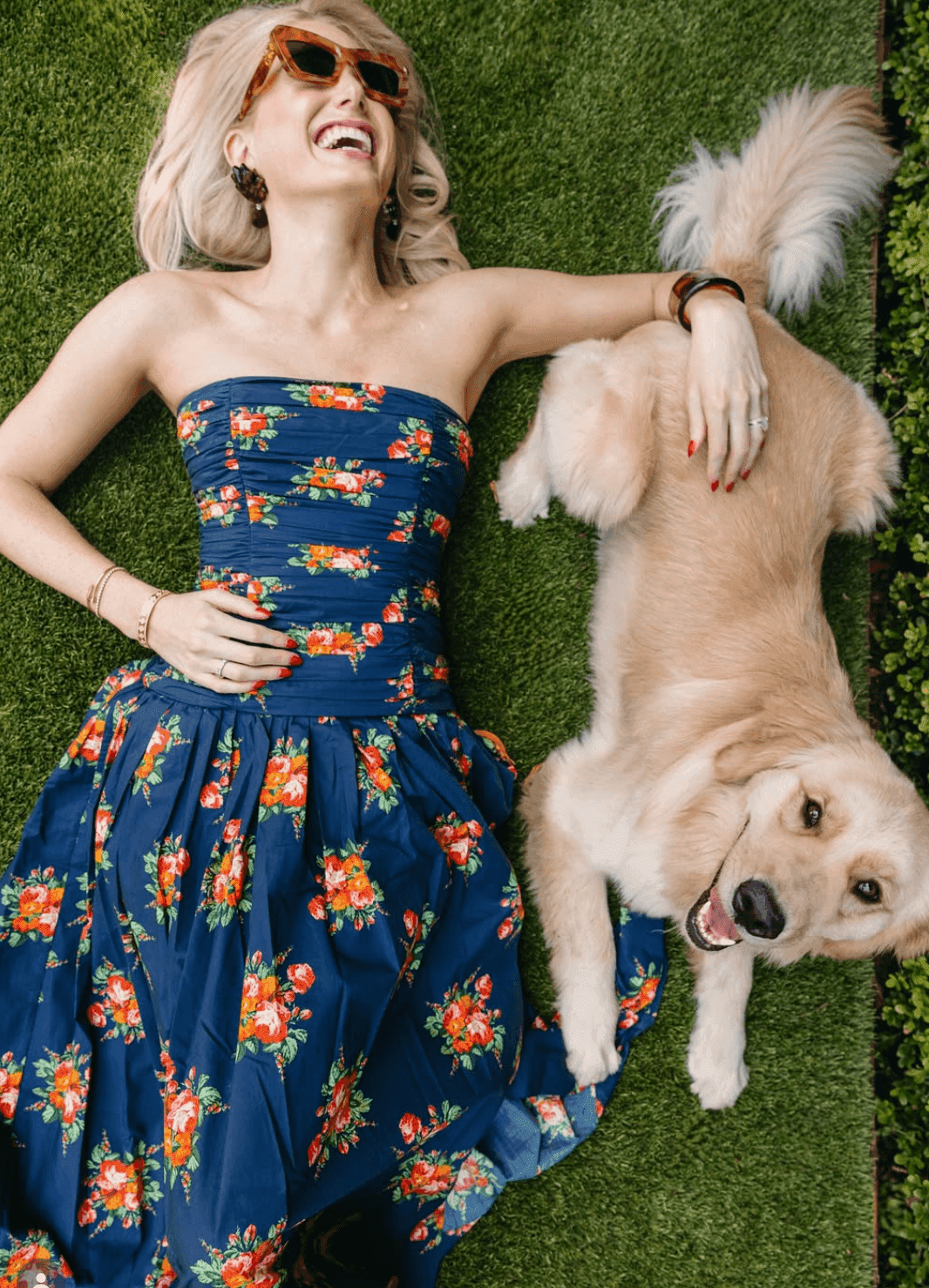
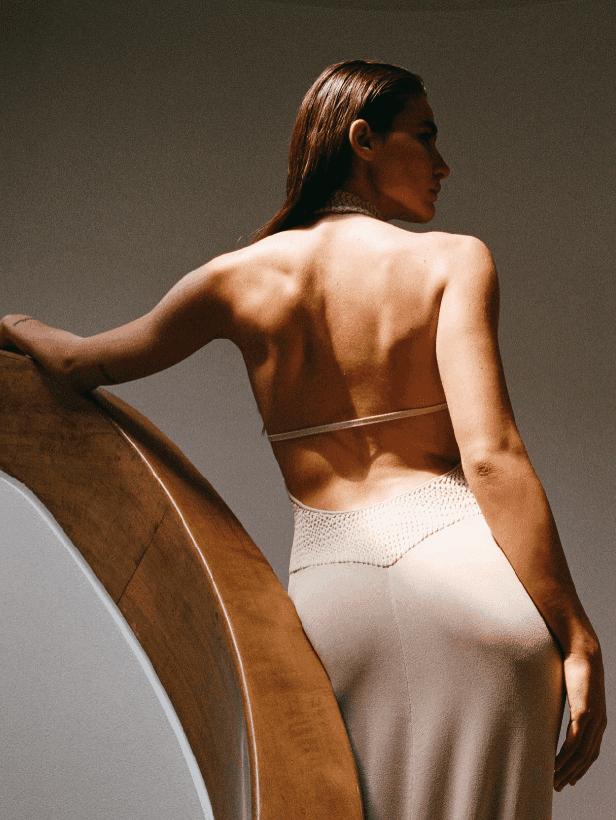
AI jewelry photography is not limited to standard white-background images. Brands can also create campaign-style visuals, lifestyle imagery, and promotional assets without physical sets.
This flexibility allows creative teams to test different visual directions quickly. Campaign concepts that once required weeks of planning can now be visualized in days.
For performance marketing teams, this means faster iteration and better alignment between product visuals and campaign messaging.
AI Fashion Photography Services for jewelry Brands
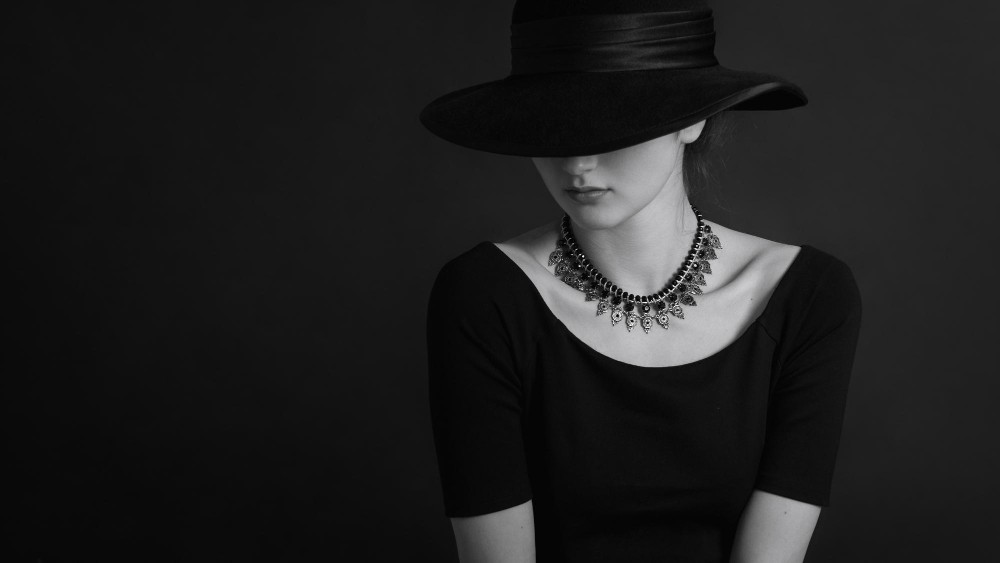
Professional AI Fashion Photography services go beyond image generation. They combine technology with creative oversight to ensure outputs meet brand and luxury standards.
These services typically include quality checks, brand alignment, and human review to refine final images. The goal is not automation for its own sake, but a reliable production system that delivers consistent, high-quality results.
For jewelry brands, this approach ensures AI becomes an extension of the creative process rather than a replacement for it.
Maintaining Brand Control and Visual Integrity
One of the biggest concerns around AI is loss of creative control. In practice, the opposite is true.
AI allows brands to define visual rules once and apply them consistently. Lighting style, background tone, and composition remain uniform across all outputs. Human oversight ensures that every image aligns with brand identity and ecommerce standards.
This combination of automation and control makes AI a practical solution for premium jewelry brands.
The Long-Term Value of AI in jewelry Photography
AI product photography is not a trend. It represents a shift toward building scalable visual infrastructure.
As collections expand and content demands increase, brands need systems that can grow with them. AI enables continuous content production without increasing operational complexity.
For jewelry brands focused on growth, this creates a clear competitive advantage.
Conclusion: A Smarter Way to Scale jewelry Visuals
High-quality visuals will always be essential in jewelry ecommerce. What’s changing is how those visuals are produced.
With AI product photography for jewelry brands, it’s possible to scale content production while preserving the precision, consistency, and luxury appeal that customers expect.
For brands navigating fast-moving markets and expanding catalogs, AI offers a smarter, more sustainable approach to visual creation.
FAQs
1. Are AI-generated jewelry images suitable for luxury ecommerce?
Yes. When created using specialized AI systems and reviewed by creative teams, AI jewelry images can meet the quality standards required for premium ecommerce and campaigns.
2. Can AI replace traditional jewelry photoshoots completely?
AI significantly reduces the need for repeated product shoots, especially for catalogs and ecommerce. However, physical shoots may still be used for select hero campaigns.
3. What do brands need to start using AI jewelry photography?
Most workflows require basic product images, CAD files, or design references along with brand guidelines to ensure accurate outputs.
4. How does AI help maintain consistency across large catalogs?
AI applies the same lighting, angles, and visual rules to every product, ensuring uniform presentation across all SKUs.
5. Is AI product photography suitable for marketplaces and ads?
Yes. AI-generated jewelry images can be optimized for ecommerce platforms, marketplaces, and performance marketing without additional production effort.
Featured Case Study

304 %
Scaled Revenue MoM

4x ROAS
consistently over 6 months

125 %
YoY Meta Spend Growth

304 %
Scaled Revenue MoM
OUR APPROACH
Turning Performance Data
Into Profit Clarity
1. Profit-First Measurement
We start where most growth strategies stop: profit. Campaigns, channels, and products are evaluated against margin, contribution, and cash flow—not surface metrics.
2. Marketing Connected to the P&L
Performance data only matters when it maps to financial reality. We align ad spend, customer acquisition, inventory, and lifecycle value into a single decision-making system.
3. Continuous Financial Optimization
Growth isn’t a one-time model. We monitor performance as conditions change—traffic mix, demand, costs—so decisions stay profitable as you scale.




Want to get similar results?
Our Impact,
By The Numbers
RELATED ARTICLES