ARTICLES
Category:
Ads, Creative, Content, and Branding

The fashion industry has never been short on creativity, but in today’s ecommerce-driven landscape, creativity alone no longer guarantees growth. Organic reach is declining, competition is intensifying, and trend cycles are moving faster than ever. For modern fashion brands, the challenge isn’t just visibility—it’s predictability. Knowing when demand will rise, how much revenue to expect, and where the next customer will come from has become essential to sustainable scaling.
This is where paid media advertising has evolved from a “nice-to-have” channel into a core growth engine. When executed correctly, paid media allows fashion brands to move away from unpredictable spikes and toward structured, repeatable growth. Rather than relying on algorithms, virality, or seasonal luck, brands gain control over demand, distribution, and customer acquisition.
Having worked closely with fashion and apparel brands across different growth stages, one thing is clear: the brands that scale profitably are not the ones spending the most on ads, but the ones using paid media strategically—as a system, not a tactic.
Understanding Paid Media Advertising in the Fashion Context
At its core, paid media advertising refers to buying targeted visibility across platforms like search engines and social media to drive traffic, conversions, and revenue. For fashion brands, this typically includes paid social campaigns, search advertising, shopping ads, and retargeting initiatives designed to move customers through the funnel.
What makes paid media advertising for fashion brands different from other industries is the highly visual, emotional, and trend-driven nature of the purchase decision. Fashion ecommerce isn’t just about solving a problem; it’s about aspiration, identity, and timing. Paid media allows brands to place the right visual, in front of the right audience, at precisely the right moment.
Unlike organic channels, paid advertising provides immediate feedback. Brands can see what products resonate, which creatives convert, and how different audiences respond—all in real time. This level of insight is invaluable in an industry where product lifecycles are short and consumer preferences shift rapidly.
Why Predictable Growth Matters More Than Ever for Fashion Brands
Unpredictable growth might look exciting on the surface, but it creates serious operational challenges behind the scenes. Inventory planning becomes guesswork, cash flow fluctuates, and marketing decisions turn reactive rather than strategic. Many fashion ecommerce brands experience this when they rely heavily on organic social reach or influencer-driven spikes that are difficult to repeat.
Paid advertising for fashion ecommerce changes this dynamic by introducing structure. With consistent ad delivery and controlled budget allocation, brands can forecast traffic and revenue with far greater accuracy. This predictability allows teams to plan launches, restocks, and campaigns with confidence rather than hope.
More importantly, predictable growth enables learning. When performance is stable, brands can test new creatives, audiences, and offers without risking the entire business. Over time, this compounds into a more resilient and scalable growth model.
The Real Benefits of Paid Media for Fashion Brands
One of the biggest advantages of paid media is the ability to acquire customers at scale while maintaining control over cost and quality. Instead of waiting for customers to discover the brand organically, fashion brands can proactively reach high-intent shoppers and trend-driven audiences.
Another key benefit is speed. Paid media dramatically shortens the feedback loop between launch and insight. Brands can introduce a new collection, push it live through ads, and understand performance within days—not months. This agility is especially valuable in fashion, where timing often determines success.
Paid media also strengthens brand presence. Even when customers don’t convert immediately, consistent exposure across platforms reinforces familiarity and trust. Over time, this reduces reliance on discounts and improves long-term customer value. These cumulative advantages explain why the benefits of paid media for fashion brands go far beyond short-term sales.
Building a Fashion Brand Paid Media Strategy That Actually Scales
A successful fashion brand paid media strategy starts with clarity. Too many brands jump into ads without defining their growth objectives, audience segments, or success metrics. Predictable growth requires alignment between business goals and media execution.
Audience strategy is a foundational element. Fashion brands typically need to balance new customer acquisition with remarketing to past visitors and buyers. Prospecting campaigns fuel growth, while retargeting campaigns improve efficiency. The key is understanding how much budget to allocate to each based on brand maturity and margins.
Creative strategy is equally critical. In paid media for apparel brands, creative is often the biggest performance lever. High-quality visuals, product-focused storytelling, and platform-native formats consistently outperform generic ads. Brands that treat creative as an evolving system—rather than static assets—see stronger results over time.
Finally, funnel structure matters. Paid media should not exist in isolation. Awareness campaigns introduce the brand, mid-funnel campaigns build trust and desirability, and conversion-focused campaigns drive sales. When these layers work together, paid media becomes a predictable growth engine rather than a cost center.
The Role of Platforms in Fashion Ecommerce Paid Advertising
No single platform drives growth alone. The most effective fashion ecommerce paid advertising strategies use multiple channels in complementary ways, each playing a specific role in the funnel.
Search-driven platforms capture demand that already exists. Discovery-driven platforms create new demand by placing products in front of relevant audiences who may not yet be actively shopping. Retargeting bridges the gap, ensuring that interested users don’t drop off before converting.
For brands ready to scale seriously, investing in structured Paid Media Advertising Services often becomes a logical next step. As spend increases, so does complexity—from creative testing to attribution modeling—making strategic oversight essential.
In the next section, we’ll explore how specific platforms like Google, Instagram, and Facebook contribute differently to fashion growth, and how brands can use them together without overspending or diluting performance.
How Paid Media Advertising Drives Predictable Growth for Modern Fashion Brands
In the first part, we explored why paid media advertising has become essential for predictable growth in fashion ecommerce and how a structured strategy sets strong foundations. The next step is understanding how different platforms contribute to growth, how scaling should be approached responsibly, and why paid media must be treated as a long-term system rather than a short-term push.
When fashion brands align platform strengths with business goals, paid media stops feeling experimental and starts delivering consistency.
How Key Paid Media Channels Drive Fashion Ecommerce Growth
Each advertising platform plays a distinct role in a successful fashion growth strategy. The mistake many brands make is treating every channel the same or expecting one platform to do all the work. In reality, predictable growth comes from channel synergy.
Google Ads for fashion brands are fundamentally intent-driven. Shoppers searching for specific products, categories, or brand names are often closer to purchase. Search and shopping campaigns work particularly well for capturing high-intent demand, defending branded terms, and supporting product launches when interest is already forming. Performance-focused fashion brands often rely on Google as a revenue stabilizer, especially during peak seasons.
Instagram ads for fashion brands serve a very different purpose. Instagram is discovery-first, making it ideal for showcasing collections, lifestyle visuals, and trend-led content. Reels, Stories, and in-feed placements allow brands to influence buying decisions before customers actively search. This makes Instagram especially powerful for new customer acquisition and brand-building in competitive fashion segments.
Facebook ads for fashion brands continue to play a critical role, particularly for retargeting and catalog-based campaigns. Despite changes in tracking and attribution, Facebook remains effective at reconnecting with users who have already interacted with a brand. Dynamic product ads and audience segmentation make it a reliable tool for driving efficiency across the funnel.
When these platforms are managed together under a unified approach, they support both growth and stability. This is where professional Paid Media Advertising Services often add value, ensuring budgets, creatives, and data are aligned rather than fragmented.
Creative and Media Alignment: The Real Performance Multiplier
One of the most overlooked aspects of paid media success is the relationship between creative and media buying. Many fashion brands invest heavily in targeting while neglecting the quality and relevance of their visuals. In reality, creative is often the biggest driver of performance.
For apparel brands, creative must feel native to the platform. A polished product image might perform well in search-driven campaigns, while short-form lifestyle videos tend to excel on Instagram. Brands that refresh creatives regularly and test multiple formats see stronger engagement and lower acquisition costs over time.
Paid media works best when creative testing is continuous. Rather than searching for a single “winning ad,” successful fashion brands treat creative as an evolving system. This mindset not only improves performance but also prevents fatigue, which is a common growth limiter in fashion advertising.
Scaling Paid Media Without Sacrificing Profitability
Scaling paid media is where many fashion brands struggle. Increasing budgets too quickly often leads to diminishing returns, while scaling too cautiously can stall momentum. Predictable growth lies in finding the balance.
Effective scaling starts with understanding performance thresholds. Brands need clarity on acceptable acquisition costs, contribution margins, and lifetime value. With these benchmarks in place, budget increases can be gradual and data-driven rather than impulsive.
Another critical factor is infrastructure. Scaling paid media without optimizing landing pages, checkout flows, and post-purchase experiences often leads to wasted spend. Fashion ecommerce brands that grow profitably view paid media as one part of a larger conversion ecosystem, not a standalone solution.
Common Paid Media Mistakes Fashion Brands Should Avoid
One of the most common mistakes is chasing short-term returns at the expense of long-term growth. Over-reliance on discounts, excessive retargeting, or narrow audiences can generate quick wins but often limits scalability.
Another frequent issue is misinterpreting data. Paid media performance should be evaluated holistically, not in isolation. Focusing solely on platform-reported metrics can lead to underinvestment in channels that contribute to assisted conversions or brand lift.
Finally, many brands treat paid media as a temporary fix rather than a core business function. Predictable growth comes when paid advertising is embedded into the brand’s overall strategy, supported by consistent creative, testing, and optimization.
When Fashion Brands Should Invest in Paid Media Advertising Services
Not every brand needs external support immediately, but there are clear indicators when professional Paid Media Advertising Services become valuable. As ad spend increases, complexity grows. Managing multiple platforms, creative pipelines, and performance insights requires specialized expertise.
Brands that benefit most from external support are those with proven product-market fit, healthy margins, and ambitions to scale beyond incremental growth. In these cases, paid media partners act as strategic collaborators, not just campaign managers.
The Future of Paid Media Marketing for Fashion Brands
The future of paid media marketing for fashion brands is increasingly creative-led and data-informed. Automation and AI are reshaping bidding and targeting, but creative relevance remains the primary differentiator. Brands that combine scalable content creation with intelligent media distribution will outperform those relying on outdated playbooks.
Attribution models will continue to evolve, pushing brands toward more holistic measurement frameworks. Instead of asking which ad drove a single sale, successful fashion brands will focus on how paid media contributes to sustained demand and brand equity.
Conclusion: Turning Paid Media Into a Predictable Growth Engine
Paid media advertising is no longer optional for modern fashion brands—it is foundational. When approached strategically, it provides control, consistency, and clarity in an otherwise unpredictable market.
Fashion brands that succeed with paid media do not treat it as a series of campaigns. They build systems that balance creativity with performance, experimentation with discipline, and growth with profitability. Over time, this approach transforms paid media from an expense into one of the most reliable drivers of long-term business growth.
Frequently Asked Questions
1. Is paid media advertising suitable for early-stage fashion brands?
Paid media advertising can work for early-stage fashion brands, but only once there is clear product-market fit. Brands should first validate pricing, demand, and conversion flow before scaling paid campaigns. Without this foundation, ad spend can become inefficient.
2. Which paid media platform works best for fashion ecommerce brands?
There is no single best platform. Google Ads perform well for high-intent searches, while Instagram and Facebook are effective for discovery and retargeting. Most fashion brands see the strongest results when platforms are used together within a structured strategy.
3. How long does it take to see results from paid media advertising for fashion brands?
Initial performance insights usually appear within the first two to four weeks. However, predictable and scalable growth typically develops over several months as data, creative testing, and optimization compound.
4. How much should fashion brands spend on paid advertising?
Ad spend depends on business goals, margins, and growth stage. Many fashion ecommerce brands start with a controlled test budget and scale gradually once performance benchmarks such as ROAS and customer acquisition cost are clearly defined.
5. Can paid media advertising work without heavy discounts?
Yes. Strong creative, clear brand positioning, and effective audience targeting allow fashion brands to scale paid media without relying heavily on discounts. Over time, this approach supports healthier margins and stronger brand equity.
Featured Case Study
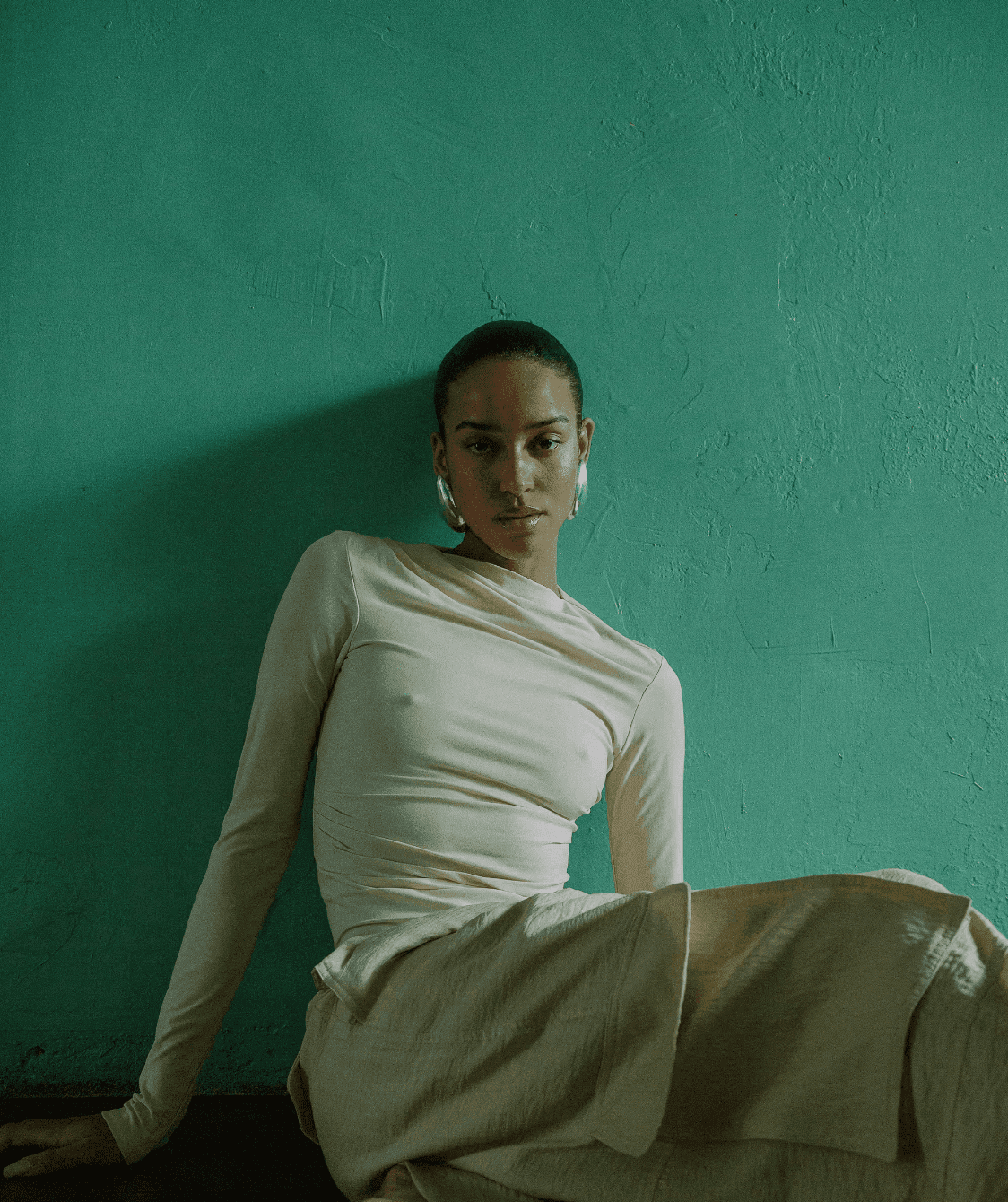

304 %
Scaled Revenue MoM
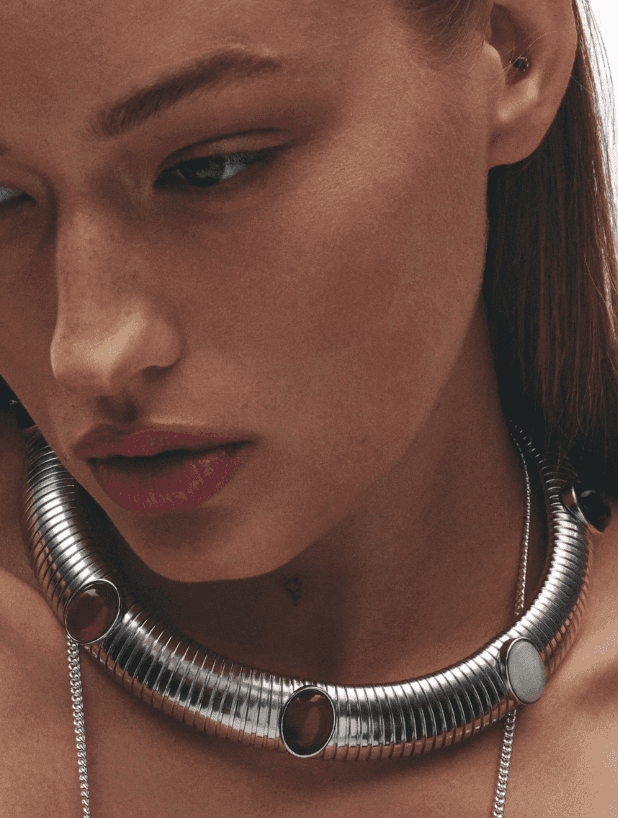

4x ROAS
consistently over 6 months
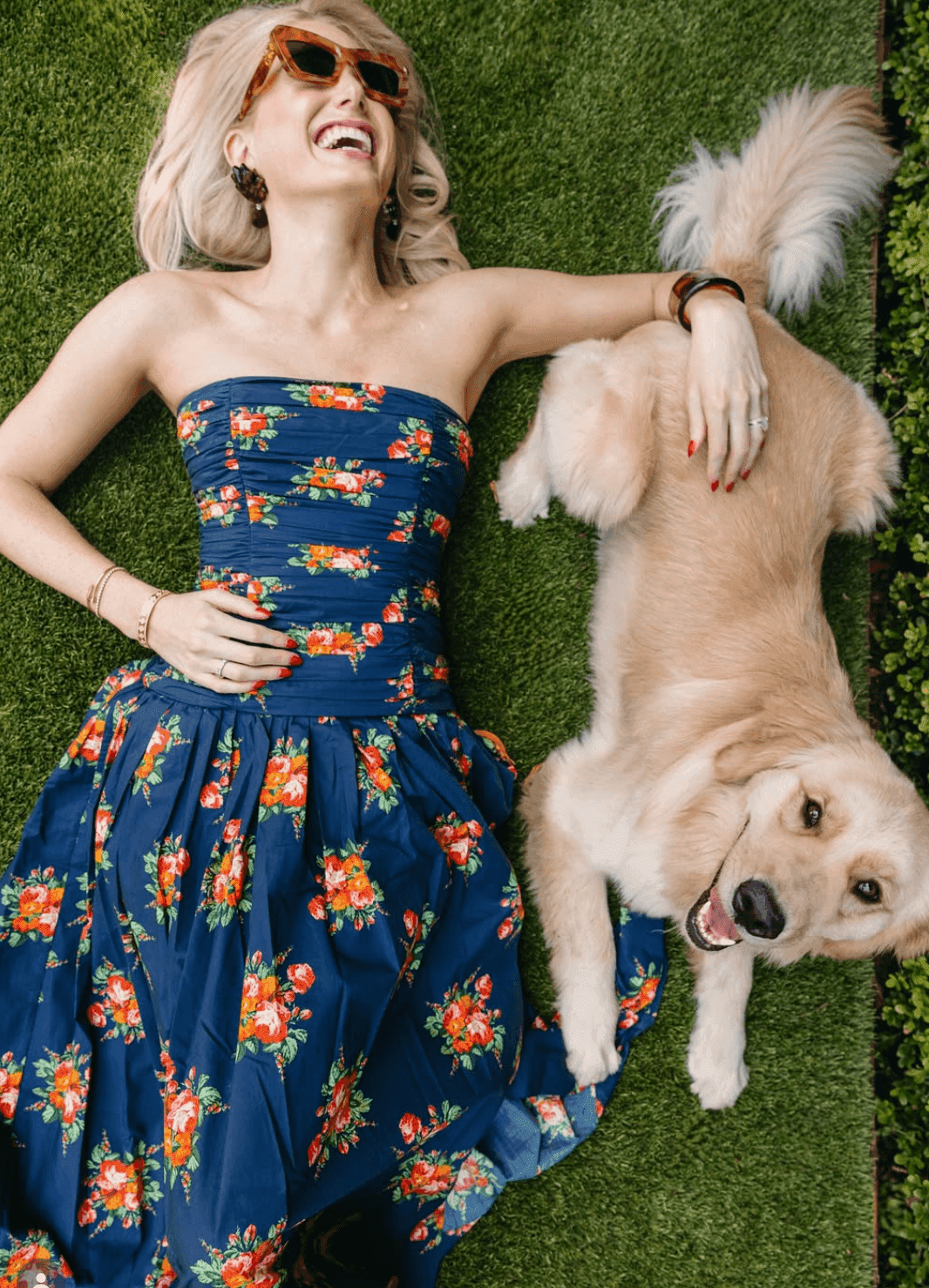
125 %
YoY Meta Spend Growth
304 %
Scaled Revenue MoM
OUR APPROACH
Turning Performance Data
Into Profit Clarity
1. Profit-First Measurement
We start where most growth strategies stop: profit. Campaigns, channels, and products are evaluated against margin, contribution, and cash flow—not surface metrics.
2. Marketing Connected to the P&L
Performance data only matters when it maps to financial reality. We align ad spend, customer acquisition, inventory, and lifecycle value into a single decision-making system.
3. Continuous Financial Optimization
Growth isn’t a one-time model. We monitor performance as conditions change—traffic mix, demand, costs—so decisions stay profitable as you scale.



Want to get similar results?
Our Impact,
By The Numbers
RELATED ARTICLES