ARTICLES
Category:
Paid Ads Strategy
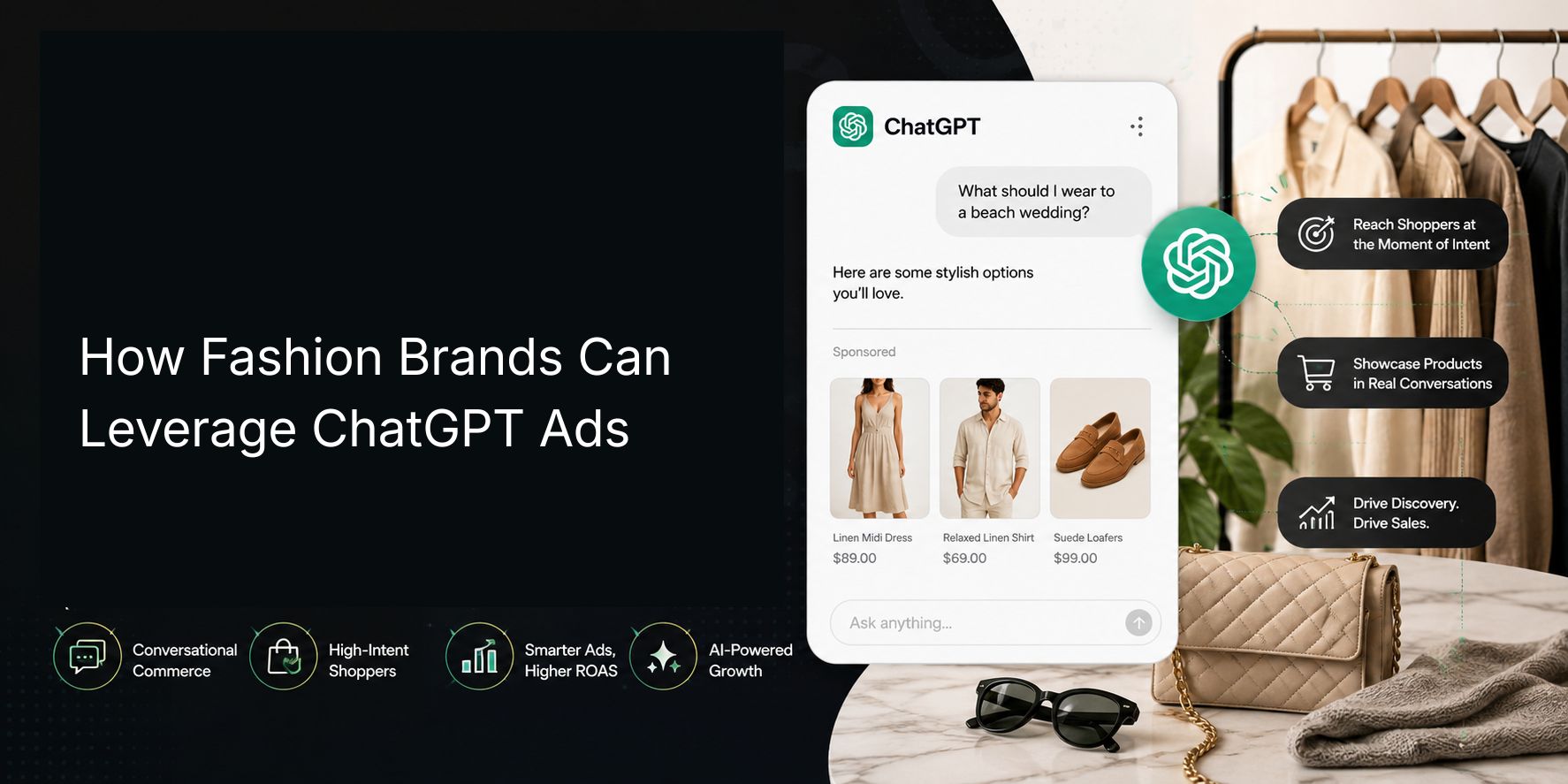
The way consumers discover fashion is undergoing a once-in-a-generation shift. For years, fashion brands relied on social feeds, Meta Ads, Google Shopping, influencer content, and marketplaces to influence buyers. But today, discovery is happening somewhere radically different: inside AI conversations.
Whether users are seeking outfit inspiration, comparing products, building capsule wardrobes, or asking style-specific questions, ChatGPT has quietly become the world’s most influential personal shopping assistant. And with the introduction of ChatGPT ads for fashion, brands finally have a way to show up at precisely the moment consumers express intent.
This guide—created by Veicolo, a specialized fashion marketing agency—breaks down how fashion, apparel, beauty, and luxury brands can effectively leverage ChatGPT advertising to increase visibility, drive conversions, and stay ahead in the era of conversational commerce.
Why ChatGPT Ads for Fashion Are Becoming a Game-Changer
1. The Rise of Conversational Commerce
Consumers aren’t just searching—they’re conversing.
A user no longer types “best linen shirt USA.”
Instead, they ask:
“I’m traveling to Miami—what’s a breathable linen shirt that won’t wrinkle?”
“What shoes should I pair with a beige co-ord set?”
“Recommend an affordable luxury handbag under $200.”
These aren’t broad intent queries. These are decision-stage moments, where buyers are actively evaluating options, contexts, aesthetics, and budgets. This is where ChatGPT advertising shines.
Instead of static ads, ChatGPT offers situationally relevant recommendations embedded naturally into AI responses, creating the most intuitive native ad experience fashion has ever seen.
2. Users Trust AI to Simplify Fashion Decisions
Fashion is personal, contextual, and often overwhelming. AI removes decision fatigue by acting as a stylist who understands:
weather
climate
occasion
body type references
personal aesthetics
material preferences
brand values (e.g., sustainability, luxury, streetwear)
For brands, this means appearing when users genuinely need an answer—not when they are scrolling passively.
3. A More Qualified Audience Than Social Feeds
Social feeds rely on interruption.
ChatGPT relies on intent.
When users ask:
“I need office wear for summer—lightweight options?”
“Show me sneakers suitable for flat feet.”
“I want a minimalist outfit for my presentation.”
They are already on the brink of making a purchase. This gives ChatGPT ads exceptionally high conversion potential—especially for D2C and eCommerce fashion brands.
How ChatGPT Advertising for Fashion Brands Works
1. Sponsored Product Cards (Native Ad Placements)
ChatGPT’s advertising model centers on sponsored product cards. These appear within conversational responses and include:
product image
product name
price
brand
link to PDP
badges (sustainability, trending, best rated, etc.)
These placements integrate seamlessly with organic advice, making them feel helpful, not intrusive.
2. What Triggers Your Product to Appear
ChatGPT doesn’t use old-school keywords. Instead, it uses semantic matching, evaluating:
product metadata
fabric details
specific fits
price ranges
reviews
brand positioning
context relevance (e.g., “beachwear”, “winter layers”, “quiet luxury”)
This makes it crucial for fashion brands to optimize catalogs with rich, structured product data—something Veicolo helps brands master.
3. Categories That Win Big on ChatGPT
Some fashion verticals integrate naturally into conversational queries:
Streetwear
Athleisure & activewear
Luxury & premium labels
Sustainable fashion
Seasonal apparel
Occasion wear
Footwear
Fashion accessories
These categories complement natural user questions, making sponsored placements highly effective.
4. Real-Life Use Cases
Occasion Dressing:
“Help me pick an outfit for a destination wedding.”
→ ChatGPT shows relevant dresses, suits, linen shirts, or heels.
Climate-Specific Apparel:
“I need breathable office wear for humid weather.”
→ Sponsored ultra-light cotton and linen pieces appear.
Trend Searches:
“Show me quiet luxury essentials under $150.”
→ Minimalist staples from targeted brands surface.
Budget Filters:
“3 outfits under $100 for a college event.”
→ ChatGPT curates price-filtered looks with product cards.
This ability to fit hyper-specific user intent is what makes ChatGPT uniquely powerful for fashion.
Optimizing Your Catalog for ChatGPT Ad Placements
To appear consistently in ChatGPT’s responses, your product feed must be optimized for AI understanding—this is where many brands fail.
1. Strengthen Metadata for AI Discovery
AI doesn’t guess.
It needs detailed context.
Instead of:
“Elegant women’s shirt.”
Use:
“Relaxed-fit white linen shirt ideal for tropical weather, summer travel, and smart-casual outfits.”
Every product should have rich metadata including:
fabric composition
fit
cut
ideal climate
styling context
seasonality
sustainability claims
occasion tags
The more structured your product data, the more visibility you earn across ChatGPT’s recommendation engine.
2. Leverage Review Sentiment to Boost Rankings
ChatGPT weighs customer sentiment heavily.
If users frequently praise:
“soft fabric”
“true-to-size fit”
“great breathability”
…these features should be reflected in your product descriptions. Using AI, brands can extract these review insights at scale and incorporate them into product metadata.
3. Product Feed Structure Matters
A clean product feed increases:
recommendation inclusion rate
ranking relevance
product accuracy
click-throughs
Errors in sizing, missing attributes, or generic product names can drastically reduce visibility.
4. AI-Friendly Content for Fashion
Generative AI favors clarity and context.
Avoid:
❌ vague adjectives
❌ generic product names
❌ incomplete detail
Use:
✔ climate references
✔ fabric-specific benefits
✔ style pairing tips
✔ relevant triggers (e.g., “workwear”, “resortwear”, “minimalist aesthetic”)
The more “fashion-literate” your feed is, the better ChatGPT understands you.
Building Conversational Shopping Journeys Using ChatGPT Ads
1. From Simple Ads to Multi-Step Conversations
Unlike Google or Meta Ads, ChatGPT creates multi-turn shopping flows.
Example shopping journey:
“I need outfits for a Goa vacation.”
“Budget under $200.”
“Prefer linen and neutrals.”
“Show me footwear too.”
Brands can position product cards at every step—creating a guided shopping experience that feels like a personal stylist consultation.
2. Build AI-Assisted Style Content
Fashion brands can feed ChatGPT with:
capsule wardrobe guides
“how to style” frameworks
trend explainers
fabric recommendations
outfit pairing advice
This increases the probability of your brand being mentioned organically and commercially.
3. Maintaining Brand Voice in Conversational Ads
ChatGPT can adopt:
minimalist luxury tone
Gen Z humor
earthy & sustainable language
elevated premium voice
streetwear culture tone
With a brand voice card, AI-generated content stays aligned with your identity, making your ads both relevant and on-brand.
Using ChatGPT as a Creative Engine for Meta, TikTok & E-Commerce Ads
While ChatGPT ads unlock a new performance channel within the platform itself, fashion brands can also use ChatGPT behind the scenes to supercharge creative production across Meta, TikTok, YouTube Shorts, and other high-volume paid platforms.
This dual approach—native ChatGPT ads + generative AI creative scaling—gives brands a competitive advantage across the entire digital ecosystem.
1. Automating High-Converting Fashion Ad Copy
Fashion brands typically spend multiple hours ideating hooks, captions, product highlights, and split tests for Meta and TikTok campaigns. ChatGPT collapses this timeline from days to minutes.
You can prompt ChatGPT to generate:
Hooks for short-form video ads
Product benefits tailored to specific audiences
Multiple caption variations for A/B testing
UGC script frameworks
Pain-point-driven copy
Seasonal and event-based messaging (Diwali sales, Summer drops, Black Friday)
The W.A.R.M. Hook Formula (AI-Optimized)
ChatGPT can generate scroll-stopping ads using the pattern:
W — Weird/Pattern Break: “Why 90% of linen shirts shrink…except this one.”
A — Aspirational Identity: “Built for men who travel light but dress sharp.”
R — Reason to Believe: “Over 1,200 5-star reviews on comfort and breathability.”
M — Minimum Risk: “Free exchanges. No questions asked.”
This structure consistently outperforms generic copy.
2. AI-Assisted Visual Production for Fashion Brands
Producing high-quality visuals eats up a large portion of a fashion brand’s budget.
But with text-to-image models, brands can quickly generate:
Lookbook concepts
AI models showcasing outfits
Backdrops (beaches, runways, studios)
Seasonal lifestyle scenes
UGC-style selfies
Flat lay product visuals
Editorial concepts
The benefit?
AI shortens production cycles dramatically—allowing brands to test more concepts without budget constraints.
Examples of AI-Assisted Visual Assets
A summer linen campaign shot on a “Goa beach” in AI
A minimalist luxury editorial shoot with neutral tones
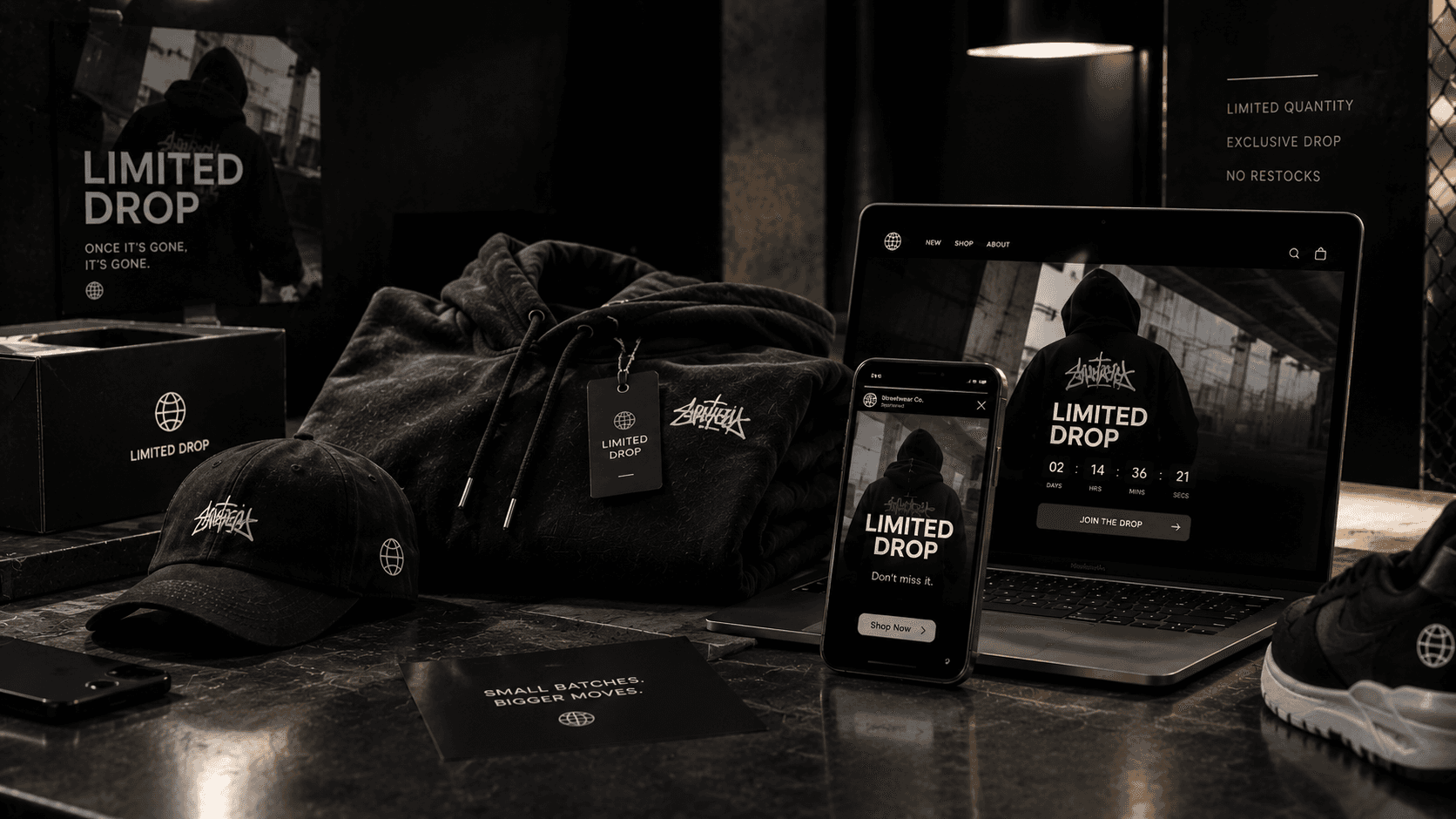
Streetwear lookbook created in an urban city setting
AI UGC shots that look like real customers wearing the product
With proper creative direction, AI visuals build both efficiency and scale.
3. Rapid Creative Prototyping for Fashion Teams
ChatGPT can generate:
Storyboards
Creative briefs
Moodboards
Video shot lists
Voiceover scripts
Influencer briefing packs
This eliminates the chaos of creative ideation and allows teams to focus on execution.
Brands using AI in their pre-production workflows report:
Lower creative fatigue
Faster experimentation
More consistent brand voice
Significant reduction in production costs
For fast-moving fashion, this is an operational superpower.
Measuring Performance: The New KPIs for ChatGPT Ad Strategy
ChatGPT ads operate differently from traditional display or social ads, so brands must measure what actually matters in conversational ecosystems.
1. Recommendation Inclusion Rate
This is the most important KPI in conversational commerce:
How often does ChatGPT include your product in relevant recommendations?
Higher inclusion rates correlate directly with:
Better metadata
Stronger review sentiment
Improved brand authority
Higher conversion probability
2. Conversation Engagement Depth
Instead of CTR alone, track:
number of conversation steps before clicking
follow-up query engagement
add-to-cart pathways
saved items
style exploration behavior
The deeper the conversation, the higher the buyer intent.
3. Assisted Conversions
Many users begin with ChatGPT but finish on your website or app.
Measuring:
assisted discovery
multichannel influence
cross-platform attribution
…gives brands a clearer revenue picture.
4. Conversational Queries Driving Sales
Fashion teams must track:
which styling questions lead to purchases
which product categories appear in recommendations
what occasions and climates drive demand
which aesthetics (minimalist, streetwear, luxury) convert best
This creates a loop of learning that improves ad relevance.
When to Use ChatGPT Ads vs. When to Focus on GEO
Not all brands should take the same approach. The strategy depends on positioning, audience, and price point.
1. For Mass-Market & Contemporary Fashion Brands
You should focus heavily on paid ChatGPT ads because:
Free & Go tier users form the bulk of AI shoppers
These buyers are price-conscious and value-driven
Sponsored product cards align perfectly with these segments
Conversational ads convert especially well for D2C and eCommerce fashion
This is the ideal environment for:
budget fashion
athleisure
streetwear
accessories
occasion wear
everyday basics
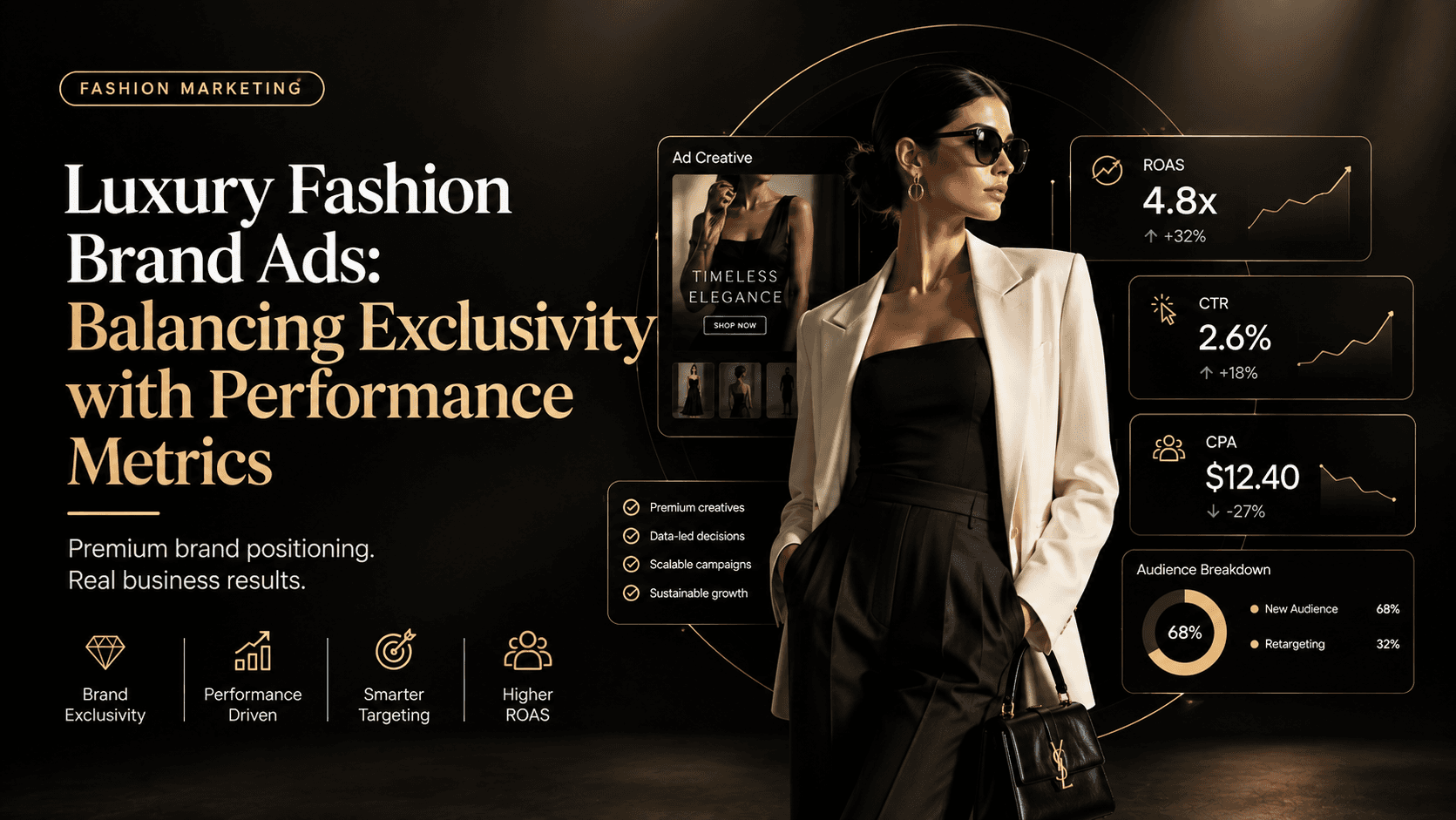
2. For Luxury Brands
Luxury buyers skew toward premium AI tiers, which are generally ad-free.
So instead of paid placements, luxury brands must prioritize:
Generative Engine Optimization (GEO)
This includes:
strengthening brand presence across the web
securing PR citations
increasing creator reviews and unboxings
developing authoritative content
optimizing metadata across PDPs
improving digital ecosystem visibility
The goal:
Get ChatGPT to organically recommend your pieces during premium-tier conversations.
Examples of luxury-focused queries:
“Quiet luxury brands for workwear”
“Understated handbags similar to Celine”
“Investment pieces that last 10+ years”
GEO ensures your brand surfaces naturally.
How Veicolo Helps Fashion Brands Win with ChatGPT Ads
Now that we understand the landscape, here’s where Veicolo stands out as a strategic partner for fashion brands.
Our approach blends AI, creative excellence, and deep fashion industry expertise.
1. AI-Optimized Product Feed Architecture
We optimize:
metadata
attributes
styling context
fabric and fit details
seasonality
product taxonomy
review sentiment mapping
This dramatically improves your recommendation inclusion rate on ChatGPT.
2. ChatGPT Ad Campaign Setup & Management
Veicolo manages:
sponsored product card placements
high-intent query targeting
budget & bidding optimization
CPC/CPM setups
category mapping
feed-based automation
Our team ensures your brand appears during high-value conversations.
3. Creative Production for Meta & TikTok Using AI
With Veicolo, brands get:
high-performing ad scripts
AI-generated visuals
UGC-style creative variations
optimized hooks and captions
seasonal + trend-based ad packs
complete creative direction powered by AI
This unlocks both speed and consistency.
4. Conversational Commerce Strategy & Landing Pages
We help brands build:
conversational landing pages
styling guides
AI-friendly content hubs
occasion-specific bundles
climate-specific lookbooks
These improve both paid and organic AI visibility.
5. Why Decision Makers Choose Veicolo
Because Veicolo is not a generic marketing agency.
We are a fashion-first, AI-powered growth partner trusted by D2C, eCommerce, and luxury brands.
Clients choose us for:
deep fashion industry understanding
integrated creative + performance + AI capabilities
experience with metadata and catalog optimization
strong expertise in Meta, TikTok, Google & ChatGPT
ROI-driven strategies tailored to fashion behavior
Veicolo helps fashion brands build the future of AI-powered discovery.
Final Thoughts: The Early-Mover Advantage in ChatGPT Ads for Fashion
The brands that act now will dominate later.
AI-led discovery is moving fast—far faster than social or search ever did.
Consumers are shifting from browsing to conversing, from scrolling to asking, and from guessing to personalized styling.
Fashion brands that leverage ChatGPT ads today will:
understand conversational buying behavior
build stronger metadata frameworks
gain persistent recommendation visibility
own high-intent moments
outperform competitors still reliant on traditional platforms
The next 12–24 months will define which brands lead the AI-first era of fashion—and which ones fade into irrelevance.
If you're ready to win the future of fashion discovery, Veicolo can guide you every step of the way.
FAQs
1. How can Veicolo help fashion brands run effective ChatGPT ads?
Veicolo manages the entire ChatGPT ads ecosystem—optimizing product feeds, structuring metadata, improving product relevance, and setting up sponsored placements. This ensures your product appears during high-intent conversations where users are actively seeking fashion recommendations.
2. Why do fashion brands need product feed optimization for ChatGPT ads?
ChatGPT relies heavily on metadata, product attributes, reviews, and contextual tagging to recommend items. Veicolo enhances these elements through advanced catalog structuring and metadata enrichment, increasing your brand’s visibility and inclusion rate across relevant AI-driven queries.
3. Can Veicolo help with both paid ChatGPT ads and organic AI visibility (GEO)?
Yes. Veicolo supports brands with paid ChatGPT ads for discovery among Free/Go-tier users, and with Generative Engine Optimization (GEO) to secure organic recommendations among premium, ad-free users. This dual strategy ensures your brand gets discovered across all audience segments.
4. Does Veicolo create AI-driven ad creatives for Meta, TikTok, and other platforms?
Absolutely. Veicolo combines creative strategy with AI-powered production to generate UGC scripts, hooks, ad variations, storyboards, and AI-enhanced visuals. This helps fashion brands reduce creative fatigue, increase testing velocity, and scale winning creatives across Meta and TikTok.
5. What makes Veicolo different from other marketing agencies when it comes to ChatGPT ads?
Veicolo is a fashion-first, AI-native performance agency. Unlike generic digital agencies, Veicolo deeply understands fashion behavior, catalog optimization, and creative psychology. This allows us to integrate ChatGPT ads with Meta, TikTok, and SEO ecosystems—creating a unified growth engine for modern fashion brands.
Featured Case Study


304 %
Scaled Revenue MoM

4x ROAS
consistently over 6 months

125 %
YoY Meta Spend Growth


304 %
Scaled Revenue MoM
OUR APPROACH
Turning Performance Data
Into Profit Clarity
1. Profit-First Measurement
We start where most growth strategies stop: profit. Campaigns, channels, and products are evaluated against margin, contribution, and cash flow—not surface metrics.
2. Marketing Connected to the P&L
Performance data only matters when it maps to financial reality. We align ad spend, customer acquisition, inventory, and lifecycle value into a single decision-making system.
3. Continuous Financial Optimization
Growth isn’t a one-time model. We monitor performance as conditions change—traffic mix, demand, costs—so decisions stay profitable as you scale.




Want to get similar results?
Our Impact,
By The Numbers
RELATED ARTICLES