ARTICLES
Category:
Paid Ads Strategy

Luxury handbags aren't impulse purchases. They represent craftsmanship, status, and personal style—qualities that require more than a single advertisement to communicate. While many ecommerce brands rely on aggressive promotions to drive conversions, that approach can weaken the perceived value of a luxury product. Instead, successful Meta ads for luxury handbag brands are built around storytelling, trust, and carefully timed customer interactions.
Meta platforms, including Facebook and Instagram, remain among the most powerful channels for luxury fashion marketing because they allow brands to guide potential customers through every stage of the buying journey. From creating aspiration with cinematic visuals to nurturing consideration through craftsmanship-focused content and finally converting high-intent shoppers with personalized retargeting, a well-structured funnel ensures each message aligns with the customer's mindset.
In this guide, you'll learn how luxury handbag brands should structure their Meta ad funnel, what creative performs best at each stage, how to allocate budgets effectively, and the key metrics that indicate success.
Quick Answer
Luxury handbag brands should structure their Meta ad funnel into three stages: Top of Funnel (Awareness) to build aspiration through storytelling and lifestyle content, Middle of Funnel (Consideration) to establish trust with craftsmanship, social proof, and product education, and Bottom of Funnel (Conversion) to retarget high-intent shoppers with personalized messaging, limited-edition offers, and premium shopping experiences instead of heavy discounts.
Why Meta Ads for Luxury Handbag Brands Need a Different Funnel Strategy
Marketing a premium handbag is fundamentally different from marketing everyday fashion accessories. Customers purchasing a luxury handbag are making an emotional investment rather than simply buying a functional product. Their decision is influenced by brand heritage, exclusivity, craftsmanship, and social perception just as much as product features.
Because of this, Meta ads for luxury handbag brands require a longer, more thoughtful customer journey.
Luxury Purchases Are Emotional, Not Impulsive
Unlike fast-fashion shoppers who may purchase immediately after seeing a discount, luxury consumers often spend days—or even weeks—researching a brand before making a purchase.
During this period, they typically:
Discover the brand through lifestyle content
Explore the brand's story and values
Compare craftsmanship and materials
Read reviews and editorial coverage
Visit the website multiple times
Save products for future consideration
Return when they're ready to buy
Every interaction builds confidence. The role of Meta advertising is to nurture that confidence instead of rushing the sale.
Why Traditional Ecommerce Funnels Fall Short
Many brands make the mistake of applying the same advertising strategy across every product category. While discounts and urgency may work for lower-priced items, they often undermine luxury positioning.
Common mistakes include:
Showing catalog ads to completely cold audiences
Leading with promotional offers instead of storytelling
Using identical messaging across all audience segments
Retargeting every visitor with the same creative
Prioritizing sales over brand perception
Luxury customers expect a premium experience from the very first interaction. If the first ad they see looks overly promotional, the brand immediately loses some of its exclusivity.
The Luxury Customer Journey on Meta
Instead of trying to convert everyone immediately, successful luxury brands gradually move shoppers through three distinct stages:
Awareness: Introduce the brand and create aspiration.
Consideration: Build trust through craftsmanship, social proof, and product education.
Conversion: Encourage purchase with personalized retargeting and premium service messaging.
Each stage requires different creatives, messaging, and campaign objectives.
Once you understand how luxury shoppers make decisions, you can design campaigns that feel natural rather than intrusive.
Build Awareness with Meta Ads for Luxury Handbag Brands That Inspire Desire
The top of the funnel is where first impressions are made. At this stage, the objective isn't to sell a handbag—it's to make people want to learn more about your brand.
Luxury shoppers buy into a lifestyle before they buy a product. That means your creative should communicate aspiration, elegance, and authenticity instead of focusing solely on product specifications.
Sell the Lifestyle Before the Handbag
The strongest awareness campaigns rarely begin with close-up product shots or pricing.
Instead, they tell a story.
Your advertising should communicate:
The heritage behind your brand
The inspiration for each collection
The craftsmanship involved in production
The lifestyle your customers aspire to
The emotion associated with owning the handbag
For example, instead of simply showing a leather tote against a white background, imagine a cinematic video featuring the bag during a luxury city getaway, paired with elegant styling and subtle storytelling. The product becomes part of a desirable lifestyle rather than the entire focus.
This emotional connection is what differentiates luxury advertising from traditional ecommerce campaigns.
Creative Formats That Perform Best
High-quality creative is one of the biggest performance drivers for luxury handbag Meta ads. Premium products deserve a premium presentation.
Some of the most effective creative formats include:
Cinematic lifestyle videos
These showcase the handbag in real-world luxury settings, allowing customers to imagine themselves using the product.
Editorial photography
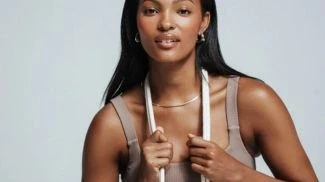
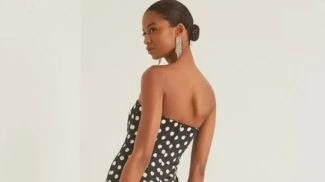
Magazine-quality imagery reinforces exclusivity and elevates brand perception.
Runway and campaign footage
Fashion shows, collection launches, and behind-the-scenes moments help position the brand within the luxury fashion ecosystem.
Craftsmanship videos
Showing artisans cutting leather, stitching details, polishing hardware, or assembling the final product creates transparency while emphasizing quality.
Founder and atelier stories
Customers increasingly want to understand who made the product and why. Authentic storytelling builds emotional connection far more effectively than promotional messaging.
Rather than producing dozens of unrelated ads, focus on creating a consistent visual identity that reflects your brand's luxury positioning across every campaign.
Reach the Right Audience
One of the advantages of Meta's advertising platform is its ability to identify high-value audiences even without overly restrictive targeting.
For awareness campaigns, consider audiences such as:
Luxury fashion enthusiasts
Designer handbag shoppers
Premium travel audiences
High-end lifestyle interests
Fashion publication readers
Lookalike audiences based on existing purchasers
Previous customer lists for expansion
Many advertisers make the mistake of narrowing their targeting too early. Instead, allow Meta's machine learning to optimize delivery while supporting it with strong creative that naturally attracts your ideal customer.
Broad targeting combined with premium storytelling often outperforms highly restrictive audience segmentation, particularly as Meta's AI continues to improve campaign optimization.
Choose Campaign Objectives That Match the Stage
The objective at the awareness stage isn't immediate revenue—it's attention and engagement.
Depending on your brand's maturity, suitable campaign objectives include:
Video Views
Brand Awareness
Reach
Broad Sales campaigns optimized for new customer acquisition
Each objective should support the goal of introducing your brand to new audiences while encouraging meaningful engagement rather than forcing an immediate purchase.
Measure Success Beyond Clicks
Luxury awareness campaigns shouldn't be evaluated solely by click-through rate.
Instead, monitor metrics such as:
Reach
CPM (Cost per Thousand Impressions)
Video completion rate
Engagement rate
Profile visits
Brand search volume
New website visitors
These indicators reveal whether your storytelling is successfully generating interest among potential buyers.
It's also important to remember that many luxury purchases occur after multiple interactions. Someone who watches a video today may not convert until several weeks later after seeing additional content.
This is precisely why a structured Meta funnel matters.
In the next stage, you'll learn how to transform initial curiosity into genuine buying intent through trust-building content, audience segmentation, and strategic retargeting that moves shoppers closer to purchase without compromising your luxury brand image.
Nurture Intent Using Meta Ads for Luxury Handbag Brands That Build Trust
Once a potential customer has discovered your brand, the next objective is to deepen their interest. At this stage, they are no longer asking, "Who is this brand?" Instead, they're asking, "Why is this handbag worth the investment?"
This is where many luxury brands lose momentum. They either continue showing broad awareness content or jump straight to conversion-focused ads. Neither approach addresses the customer's need for reassurance.
Successful Meta ads for luxury handbag brands at the middle of the funnel educate, inspire confidence, and reinforce the value behind the premium price tag.
Turn Interest Into Confidence
Luxury shoppers don't simply compare products—they compare craftsmanship, reputation, quality, and longevity. Your advertising should answer these questions before the customer even asks them.
Instead of repeating product images, showcase what makes your handbags exceptional:
Full-grain leather and premium materials
Handcrafted production processes
Signature hardware and detailing
Timeless designs that outlast trends
Sustainable sourcing and ethical manufacturing
Limited production runs that enhance exclusivity
When customers understand the story behind the product, the price begins to feel justified rather than expensive.
Creative Ideas That Strengthen Trust
The middle of the funnel is the ideal place to introduce richer, more educational creative.
Some high-performing formats include:
Close-up videos highlighting leather texture and stitching
Behind-the-scenes footage from the atelier
"What's in my bag?" styling videos
Fashion influencer collaborations that feel authentic
Customer testimonials featuring long-term product use
Editorial features or press mentions
Luxury-inspired UGC that complements your brand aesthetic
Styling videos demonstrating how one handbag pairs with multiple outfits
These creatives help customers visualize ownership while reinforcing the product's quality and versatility.
Speak to Value, Not Discounts
Luxury buyers respond to messaging that reflects exclusivity and craftsmanship rather than aggressive promotions.
Instead of saying:
"20% Off Today."
Focus on messages such as:
Handcrafted by skilled artisans.
Designed to last for years, not seasons.
Made in limited quantities.
Crafted from premium full-grain leather.
A timeless investment piece for every wardrobe.
This approach preserves your premium positioning while increasing perceived value.
Build Smarter Retargeting Audiences
As prospects interact with your brand, Meta provides opportunities to segment audiences based on engagement.
Effective middle-funnel audiences include:
People who watched 50% or more of your videos
Website visitors from the last 30 days
Instagram and Facebook page engagers
Users who saved or shared your posts
Product page visitors
Collection viewers
Each audience has demonstrated interest, so your messaging should naturally build on what they've already seen rather than starting from the beginning.
Metrics That Matter
Rather than focusing only on impressions, monitor metrics that indicate growing purchase intent, including:
Click-through rate (CTR)
Landing page views
Cost per engaged visitor
Product page engagement
Average session duration
Return visits
These indicators reveal whether your campaigns are successfully moving customers toward the buying decision.
Convert More Customers with Meta Ads for Luxury Handbag Brands Through Smart Retargeting
By the time shoppers reach the bottom of the funnel, they already know your brand. They've watched your videos, explored your website, and viewed products multiple times.
Now the objective is simple: remove hesitation.
Luxury conversions rarely require dramatic discounts. Instead, they require reassurance, convenience, and confidence.
Replace Artificial Urgency With Authentic Exclusivity
Traditional ecommerce often relies on countdown timers and flash sales.
Luxury brands should avoid these tactics because they can diminish perceived exclusivity.
Instead, create urgency through genuine scarcity:
Limited-edition collections
Seasonal color releases
Small-batch production
Waiting lists
Exclusive online launches
Early access for VIP customers
Authentic exclusivity aligns with luxury positioning while encouraging timely purchasing decisions.
High-Converting Creative for Bottom-of-Funnel Campaigns
Customers at this stage already recognize your products, so your creative should focus on removing final objections.
Effective formats include:
Dynamic Product Ads featuring recently viewed items
Luxury unboxing experiences
Customer reviews and testimonials
Premium packaging showcases
Concierge shopping services
Gift wrapping demonstrations
Warranty and product care information
Complimentary shipping and easy returns
Rather than introducing entirely new messages, reinforce the reasons customers were interested in the first place.
Target High-Intent Audiences
Your strongest-performing audiences often include:
Add-to-cart users
Checkout abandoners
Email subscribers
Frequent website visitors
High-value lookalike audiences
Previous customers eligible for cross-selling
Because these audiences are relatively small, personalization becomes even more important.
For example, someone who viewed a specific handbag should see content related to that product rather than a generic brand advertisement.
Measure Conversion Success
At the bottom of the funnel, the most important KPIs include:
Cost per Purchase
Conversion Rate
Checkout Completion Rate
Average Order Value
Monitoring these metrics helps identify where customers may still be dropping out of the buying journey.
Case Study: How a Luxury Handbag Brand Increased ROAS with a Full-Funnel Meta Strategy
A premium DTC luxury handbag brand struggled to generate profitable sales despite investing heavily in Meta Ads. Their campaigns focused primarily on product catalogs and promotional messaging, resulting in low engagement and inconsistent conversions.
The brand restructured its Meta advertising into a three-stage funnel. Top-of-funnel campaigns featured cinematic lifestyle videos and behind-the-scenes craftsmanship to build brand awareness. Middle-of-funnel ads highlighted premium materials, customer testimonials, and styling content for website visitors and video viewers. Bottom-of-funnel campaigns retargeted cart abandoners with Dynamic Product Ads, luxury packaging visuals, and limited-edition messaging instead of discounts.
Within three months, the brand saw a 34% increase in Return on Ad Spend (ROAS), a 28% lower cost per purchase, and a 42% increase in add-to-cart conversions. The biggest improvement came from aligning creative and messaging with each stage of the customer journey, proving that luxury brands convert best through trust and aspiration—not aggressive promotions.
The Audience Journey Every Luxury Handbag Brand Should Build
One of the biggest mistakes brands make is treating every customer the same.
Instead, each audience should receive messaging that reflects their familiarity with the brand.
A simple audience journey looks like this:
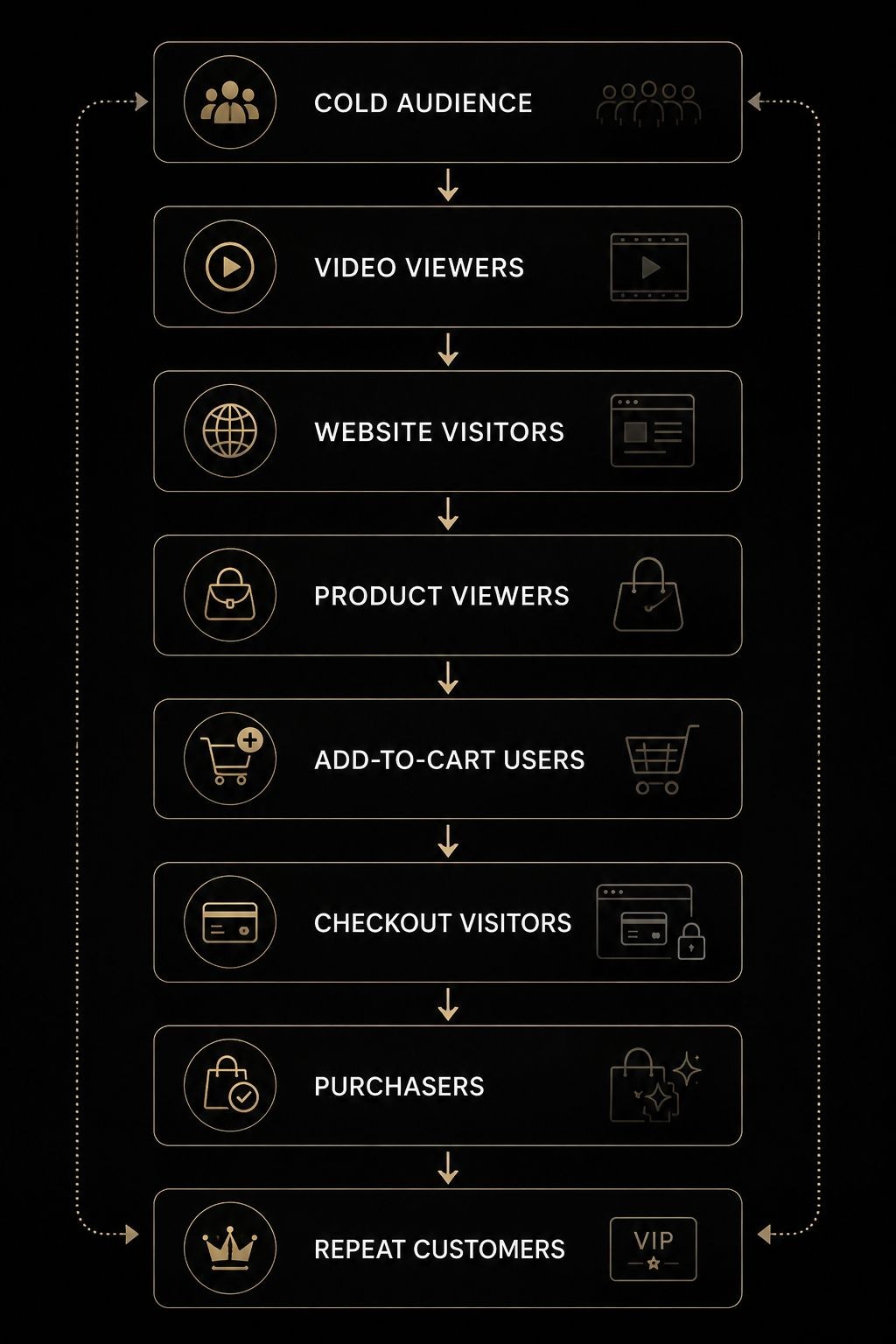
As customers move through this journey, your messaging should evolve from inspiration to education and finally to conversion.
This sequential approach not only improves campaign efficiency but also creates a more cohesive brand experience.
Budget Allocation Across the Luxury Meta Funnel
For most luxury handbag brands, awareness deserves the largest share of the advertising budget because new customer acquisition fuels long-term growth.
A practical starting point is:
Funnel Stage | Suggested Budget |
Awareness | 60% |
Consideration | 20% |
Conversion | 15% |
Loyalty & Retargeting | 5% |
As your website traffic and customer base grow, retargeting audiences become larger and more effective. At that point, you can gradually increase investment in middle- and bottom-of-funnel campaigns without sacrificing acquisition.
Regular testing is essential. Review campaign performance monthly and adjust budget allocations based on audience size, conversion rates, and overall profitability.
Creative Themes That Consistently Perform for Luxury Handbag Brands
While creative formats vary, several themes consistently resonate with luxury audiences:
Craftsmanship and artisans at work
Heritage and founder stories
Luxury travel and lifestyle imagery
Editorial fashion photography
Behind-the-scenes atelier content
Celebrity and influencer styling
Unboxing experiences
Limited-edition collections
Seasonal launches
Styling one handbag with multiple outfits
Rotating these themes helps prevent creative fatigue while maintaining a consistent premium identity.
If you're looking to improve campaign performance further, combining a structured funnel with strong Meta ads for fashion strategies and ongoing creative testing can significantly increase long-term returns.
Key Metrics to Measure at Every Funnel Stage
Each stage of the funnel should be evaluated using metrics aligned with its specific objective.
Funnel Stage | Primary KPIs |
Awareness | Reach, CPM, Video Completion Rate |
Engagement | CTR, Landing Page Views, Cost per Engaged Visitor |
Consideration | Product Views, Add-to-Cart Rate |
Conversion | ROAS, Cost per Purchase, Conversion Rate |
Loyalty | Repeat Purchase Rate, Customer Lifetime Value |
Rather than optimizing every campaign for immediate purchases, evaluate success based on how effectively each stage moves customers toward the next.
Common Meta Advertising Mistakes Luxury Handbag Brands Make
Even well-established brands can limit performance by making avoidable mistakes.
Some of the most common include:
Selling too aggressively before establishing brand desire
Relying on discounts that dilute luxury positioning
Using the same creative for every audience segment
Ignoring storytelling in favor of product-only advertisements
Failing to nurture existing customers after their first purchase
Avoiding these pitfalls creates a stronger customer experience and supports sustainable growth over time.
Key Takeaways
Luxury shoppers require multiple touchpoints before making a purchase.
Prioritize storytelling and brand heritage over promotional messaging.
Use cinematic videos, editorial imagery, and craftsmanship content to build desire.
Retarget video viewers and website visitors with educational, trust-building creatives.
Replace discount-driven urgency with authentic exclusivity like limited editions and seasonal collections.
Allocate more budget to awareness initially, then increase retargeting spend as audiences grow.
Measure success using stage-specific KPIs such as Reach, CTR, Add-to-Cart Rate, ROAS, and Customer Lifetime Value.
Continuously test creatives, audience segments, and messaging to improve long-term performance.
Final Thoughts
A successful Meta advertising strategy for luxury handbag brands isn't about pushing products—it's about guiding customers through a carefully designed journey.
By combining aspirational storytelling at the top of the funnel, trust-building content in the middle, and personalized retargeting at the bottom, brands can increase conversions while protecting the exclusivity that defines luxury.
As competition across Meta platforms continues to grow, brands that consistently test creative, refine audience segmentation, and optimize campaign structure will be best positioned for long-term success. Partnering with experts in Paid Media Advertising Services can help streamline this process while ensuring campaigns remain aligned with both performance goals and brand identity. Additionally, creating content that aligns with AI Overview trends can improve your brand's visibility as AI-powered search increasingly influences how consumers discover luxury fashion brands.
Featured Case Study

304 %
Scaled Revenue MoM

4x ROAS
consistently over 6 months

125 %
YoY Meta Spend Growth

304 %
Scaled Revenue MoM
OUR APPROACH
Turning Performance Data
Into Profit Clarity
1. Profit-First Measurement
We start where most growth strategies stop: profit. Campaigns, channels, and products are evaluated against margin, contribution, and cash flow—not surface metrics.
2. Marketing Connected to the P&L
Performance data only matters when it maps to financial reality. We align ad spend, customer acquisition, inventory, and lifecycle value into a single decision-making system.
3. Continuous Financial Optimization
Growth isn’t a one-time model. We monitor performance as conditions change—traffic mix, demand, costs—so decisions stay profitable as you scale.




Want to get similar results?
Our Impact,
By The Numbers
RELATED ARTICLES